How to Prune Forest cabbage tree?
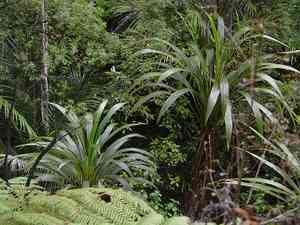
This impressive evergreen specimen, valued for its blade-like foliage and resilience, flourishes with little upkeep. Trim forest cabbage tree during the winter season, eliminating withered or compromised leaves, and snipping stem ends to stimulate new shoots. Restrict trimming to preserve its inherent form, concentrating on the bottom leaves for a neat look. Trimming boosts the plant's vitality and sustains its decorative charm, guaranteeing a dense, robust growth habit ideal for landscaping purposes.
What Are the Benefits of Pruning Forest Cabbage Tree?
What Are the Benefits of Pruning Forest Cabbage Tree?
Trimming forest cabbage tree promotes robust development and helps preserve its desired shape. Strategic cuts enhance light exposure and air movement within the canopy, fostering a strong structure and preventing excessive growth that could jeopardize plant vitality.
What Is the Best Time for Pruning Forest Cabbage Tree?
What Is the Best Time for Pruning Forest Cabbage Tree?
Trimming forest cabbage tree from late winter to early spring is optimal as the plant is typically dormant. This timing coincides with the cessation of growth due to colder temperatures, allowing gardeners to prune without disrupting active growth cycles. The dormant period also sees reduced sap flow, minimizing stress and the risk of disease transmission. Furthermore, pruning before new spring growth enables forest cabbage tree to heal pruning wounds more effectively and directs its energy toward producing new, healthy growth when the cycle resumes. Avoid cutting during the flowering period, as it may negatively impact the ornamental value and overall health of forest cabbage tree.
What Tools Do I Need to Prune Forest Cabbage Tree?
Bypass pruners
Perfect for making clean cuts on forest cabbage tree's smaller, living stems without crushing plant tissue.
Loppers
Suitable for cutting through thicker branches of forest cabbage tree that bypass pruners cannot manage, thanks to increased leverage and longer handles.
Pruning saw
Essential for trimming any mature or woody parts of forest cabbage tree that are too thick for both bypass pruners and loppers.
Gardening gloves
Protects hands from potential sap irritation or cuts while pruning forest cabbage tree.
Clean cloths and disinfectant
Crucial for wiping blades between cuts to prevent disease spread in forest cabbage tree.
How to Prune Forest Cabbage Tree
Identify
Examine forest cabbage tree closely to pinpoint dead or diseased branches, which typically appear dry, brittle, and may show discoloration or signs of fungal growth.
Sanitize
Before beginning the pruning process, disinfect your pruning tools with alcohol or a bleach solution to prevent the spread of disease to healthy parts of forest cabbage tree.
Cut Dead Branches
Using sharp, clean pruning shears, carefully remove dead branches by cutting at their base where they meet healthy wood, taking care not to harm the healthy tissue of forest cabbage tree.
Cut Diseased Branches
Similarly, trim off diseased branches of forest cabbage tree, making cuts at least a few inches into the healthy wood beyond visible signs of infection to ensure all affected tissue is removed.
Dispose
Promptly and safely discard all trimmed material far from forest cabbage tree to minimize disease spread. Do not compost diseased branches to prevent contaminating compost material.
Common Pruning Mistakes with Forest Cabbage Tree
Over-Pruning
Removing too much foliage can weaken forest cabbage tree and hinder its ability to photosynthesize and grow. A good guideline is never to remove more than one-third of the foliage in any single pruning session.
Improper Cuts
Making cuts too close to the main stem of forest cabbage tree or leaving large stubs can lead to damage and disease. Cuts should be made just above a node where leaves, branches, or roots can grow.
Pruning Healthy Growth
Sometimes gardeners mistake healthy growth for unnecessary branches and remove them. Identifying which parts of forest cabbage tree need trimming is crucial; healthy branches should be left alone unless they are crossing or growing in an undesirable direction.
Disinfection Neglect
Not disinfecting pruning tools between cuts, especially when moving between different plants, can spread diseases to forest cabbage tree. It's vital to clean and disinfect tools to maintain forest cabbage tree's health.
Ignoring Plant Shape
Failure to consider the natural shape of forest cabbage tree can result in a disfigured appearance. Pruning should enhance the plant's natural form, not work against it.
Common Pruning Tips for Forest Cabbage Tree
Sharp Tools
Use sharp, clean tools when pruning forest cabbage tree to ensure precise cuts that heal quickly, reducing the chance of disease.
Selective Thinning
Focus on thinning out crowded areas to improve air circulation and light penetration, which is crucial for the health and vigor of forest cabbage tree.
Maintenance Pruning
Regularly remove dead or dying foliage to maintain the aesthetic appeal of forest cabbage tree, which will also redirect the plant's energy towards new growth.
Height Control
If controlling the height of forest cabbage tree is necessary, do so by cutting back the main stem to the desired height, just above a node or a lateral branch.
Balanced Approach
Strive for a balanced approach when pruning forest cabbage tree, aiming to maintain its natural form and structural integrity while promoting healthy growth and flowering.



