How to Prune Ziricote?
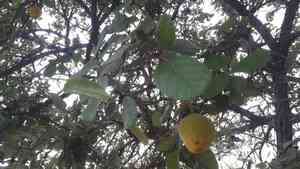
Ziricote, a tropical hardwood prized for its resilience and intricate grain, thrives with precise trimming to preserve its form and stimulate robust development. Essential methods involve reducing dense branches and eliminating ailing or lifeless wood. The most suitable periods for pruning are from late winter to early spring, steering clear of intense growth phases to avert strain. Important aspects include making precise cuts at branch collars for swift recovery, which can deter disease-causing agents and insects, thus enhancing the tree's enduring strength.
What Are the Benefits of Pruning Ziricote?
What Are the Benefits of Pruning Ziricote?
Trimming ziricote promotes robust development and preserves its desired form. Regular cutting can stimulate new, vigorous growth while shaping the plant for visual appeal or space management.
What Is the Best Time for Pruning Ziricote?
What Is the Best Time for Pruning Ziricote?
Pruning ziricote in late winter and early spring is beneficial as this period precedes the plant's active growth phase. Trimming in late winter allows for the removal of any damaged or diseased branches before they expend energy on new growth, which would then be wasted when pruned. Early spring pruning ensures rapid wound healing, minimizing disease risks. Additionally, this timing avoids disrupting later-season flowering and fruiting cycles. Pruning during these seasons fosters healthier and more vigorous growth in the upcoming growing period.
What Tools Do I Need to Prune Ziricote?
Hand pruners
Perfect for cutting small branches and twigs on ziricote, ensuring clean cuts that encourage healthy development.
Loppers
Useful for severing thicker branches of ziricote that hand pruners cannot manage, offering leverage for clean cuts without harming the plant.
Pruning saw
Essential for removing larger limbs from ziricote, allowing for precision in confined areas and the ability to cut through thick wood without causing undue stress to the plant.
Hedge shears
Suitable for shaping ziricote when utilized as a hedge or for achieving a formal look, enabling even, straight cuts across multiple stems.
Gloves
To safeguard hands from scrapes and cuts while pruning ziricote, maintaining safety and comfort.
Pruning sealant
Can be applied to large wounds on ziricote after cutting to protect against disease and pests, though its efficacy is debated and not universally recommended by horticulturalists.
How to Prune Ziricote
Identify
Thoroughly inspect ziricote to locate all dead and diseased branches. These often appear dry, brittle, discolored, or show signs of fungal growth.
Sanitize
Clean and sterilize pruning tools with alcohol or a bleach solution to prevent the spread of disease during pruning.
Cut Diseased Branches
Remove diseased branches by cutting at least several inches into healthy wood, well below the affected sections, to ensure all compromised parts are eliminated.
Cut Dead Branches
Prune dead branches by making clean cuts at the point where they meet healthy wood, taking care not to damage the collar or living tissue.
Disposal
Properly dispose of diseased and dead plant material, away from ziricote, to prevent potential pathogen spread.
Common Pruning Mistakes with Ziricote
Overpruning
Removing too much foliage can stress ziricote, leading to reduced vigor or even death. It's crucial to prune no more than one-third of the plant at a time.
Improper Cut Location
Cuts made too far from a bud or node can result in dead stubs, while cuts too close can damage the bud. Correct placement encourages healthier regrowth.
Not Sanitizing Tools
Using dirty pruning tools can introduce diseases to ziricote. Sanitize tools before use to prevent the spread of pathogens.
Tearing Bark
Incorrect cutting technique or using dull tools can tear the bark and damage ziricote. Clean, sharp cuts promote quicker healing.
Flush Cutting
Making flush cuts against the trunk can damage ziricote's protective bark and invite infections. It's important to cut just outside the branch collar.
Neglecting Dead Wood
Failure to remove dead or diseased branches can hinder ziricote's growth and leave it susceptible to further disease and pest issues.
Pruning In Wet Conditions
Pruning ziricote when wet can spread diseases. Always prune during dry conditions to minimize this risk.
Common Pruning Tips for Ziricote
Selective Pruning
To encourage a strong structure in ziricote, selectively prune away weak, crossing, or unwanted branches, focusing on maintaining good air circulation.
Sharp Tools
Use sharp, clean tools to make precise cuts on ziricote that heal quickly, reducing the likelihood of disease.
Angle Cuts
Cut branches of ziricote at a 45-degree angle to prevent water accumulation and promote quick healing.
Gradual Pruning
For ziricote, reduce size or shape gradually over several seasons rather than drastically in one session to maintain plant health.
Prune For Light
Trim ziricote to allow light to penetrate the canopy, which encourages flowering and reduces the risk of fungal diseases.
Monitor Recovery
After pruning ziricote, monitor the plant's recovery and growth, and adjust future pruning practices based on its response to encourage vitality.
Prune For Aesthetics
While maintaining plant health, also consider the desired shape and appearance of ziricote when pruning, to enhance its ornamental value.



