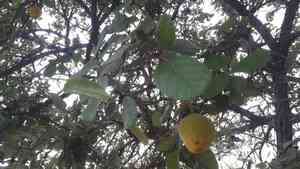
Ziricote (Cordia dodecandra)
Also known as: Siricote, Black Cordia
Ziricote is a tropical tree notable for its smooth, straight trunk and broad, ovate leaves with pointed tips. Its distinctive clusters of white flowers bloom seasonally and transform into woody, brown fruits. Thriving in warm, humid climates, ziricote adapts well to various soil types, reflecting its resilience. The rich, reddish hardwood is highly valued in fine woodworking and furniture.
In This Article
Attributes of Ziricote
Lifespan
Perennial
Plant Type
Tree
Plant Height
10-20 meters
Spread
6-12 meters
Leaf Color
Dark green
Flower Size
1-2 cm
Flower Color
White or pale yellow
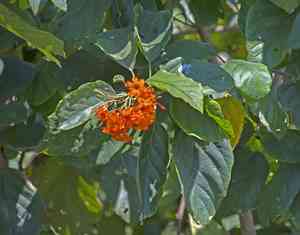
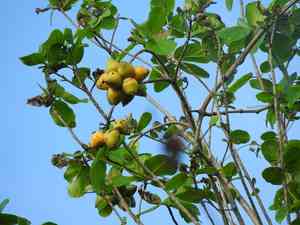
Images of Ziricote

Quickly Identify Ziricote
1
Cordia dodecandra can be identified by its rough, fissured bark, and oval leaves with a smooth margin. The flowers are small and white or pale yellow, growing in clusters. Its fruits are small, round, and yellow when ripe.
Scientific Classification of Ziricote
Phylum
Vascular plants
Class
Dicotyledons
Order
Boraginales
Family
Ehretiaceae
Genus
Manjacks
Species
Ziricote
Planting and Growing of Ziricote
Care Difficulty
Moderate
Watering Schedule
Every 2 days
Sunlight Requirements
Full sun
Sunshine Duration
6-10 hours
Ideal Temperature
68-86℉
Soil Type
Potting Mix, Peat Mix
Soil pH
6.5-7.5
Fertilizer Type
Balanced
Pruning Season
Spring, Summer
Pruning Area
Branches, Leaves
Pruning Frequency
2 times a year
Repotting Season
Spring
Pot Type
Plastic, Ceramic
 How to Water Ziricote?
Cordia dodecandra requires about 500 milliliters of water per session. Aim to water until the soil is moist but not waterlogged, ensuring the moisture reaches deep into the root zone without leaving any standing water.
What are the symptoms of an underwatered Ziricote?
›
What should I do if my Ziricote is not getting enough water?
›
What are the symptoms of an overwatered Ziricote?
›
How to save an overwatered Ziricote?
›
 What Are the Sunlight Requirements for Ziricote?
Cordia dodecandra thrives in full to partial sun conditions. These exposures ensure vigorous growth and plentiful flowering, as the plant efficiently utilizes the energy from the sunlight for photosynthesis, keeping its metabolic activities optimal.
What are the ideal lighting conditions for Cordia dodecandra?
›
How can I achieve the ideal lighting conditions for Cordia dodecandra?
›
What benefits does Cordia dodecandra gain from ideal lighting?
›
 What Is the Ideal Temperature Range for Ziricote?
The ideal temperature range for Cordia dodecandra is between 68°F and 86°F. This range allows the plant to grow optimally, supporting its physiological processes and ensuring healthy development. Maintaining temperatures within this range helps prevent stress that could impede growth.
 What Soil is Best for Ziricote?
Cordia dodecandra thrives in well-drained soil which prevents waterlogging. This type of soil ensures the roots receive adequate oxygen, helping the plant grow robustly without the risk of root rot. This plant benefits from a nutrient-rich soil mix, providing essential elements like nitrogen, phosphorus, and potassium. A healthy blend ensures lush foliage and an increase in flower production. The soil should retain moderate moisture, offering the plant consistent access to water without becoming overly saturated. This balance assists in sustaining the plant's health, particularly in drier climates.
 How to Fertilize Ziricote?
For Cordia dodecandra, using a balanced 10-10-10 NPK liquid fertilizer, you should dilute it to a quarter of its strength. Apply it evenly over the root zone of the plant, ensuring not to wet the leaves directly. The actual amount may vary slightly based on plant size, but generally, a few ounces per plant should suffice.
 How to Prune Ziricote?
Begin by assessing the tree's overall health and noting any branches that appear diseased or dead. Start by removing these unhealthy sections. Next, thin out crowded areas to allow for better air circulation and light penetration. Focus on cutting branches back to the nearest healthy lateral bud or branch to encourage outward growth. To maintain the desired shape, selectively prune branches that disrupt the tree's natural form. Pay attention to its symmetric balance, ensuring that the canopy is evenly shaped. This not only enhances aesthetic appeal but also promotes balanced growth and prevents one side from becoming disproportionately heavy.
More About Pruning Techniques→
 How to Propagate Ziricote plant?
1
Collect seeds from mature fruits of Cordia dodecandra, clean them thoroughly to remove any pulp, and dry them for a day before planting to increase germination success.
2
Select a healthy branch and cut a 4-6 inch stem segment. Remove the lower leaves and dip the cut end in rooting hormone to promote root growth.
3
For seeds, plant them in a seed tray with damp, well-draining soil. For cuttings, place the cut stem in a pot with moistened soil and maintain a warm temperature for optimal root development.
 How to Repot Ziricote plant?
1
Cordia dodecandra typically needs repotting when you notice roots protruding from the pot's drainage holes or when the growth seems stunted. The best signals include slowed growth and the soil drying out much faster than usual. These indicators suggest that the plant has outgrown its current pot and is ready for a new space.
2
Select a pot that's slightly larger than the current one, ideally 1-2 inches in diameter wider. A pot that is too large can cause overwatering issues, while a pot that is just the right size will encourage healthy root growth, giving the roots enough space to expand without being too cramped or too dispersed.
3
Opt for a well-draining potting mix that can retain enough moisture for Cordia dodecandra. A mix including perlite or sand can maintain the right balance of drainage and moisture retention. This is crucial as the plant needs a steady water supply without being waterlogged, promoting healthy root development and overall plant vitality.
Learn More About Ziricote Diseases
Anthracnose
Bacterial Leaf Spot
Bacterial Soft Rot
Bacterial Wilt
Black Spot
Chemical Injury
Crown Gall
Damping-off
Downy Mildew
Drought Stress
Fusarium Wilt
Gray Mold
Leaf Curl
Leaf Spot
Mosaic
Nutrient Deficiency
Nutrient Toxicity
Powdery Mildew
Root Rot
Root-knot Nematode
Rusts
Sooty Mold
Spider Mites
Temperature Stress
Thrips Damage
White Mold



