How to Prune Rangoon creeper?
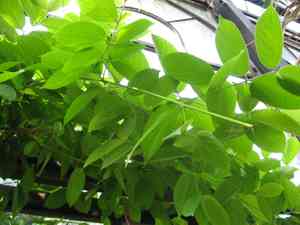
The Rangoon Creeper, a robust climbing plant recognized for its aromatic, variegated blossoms, thrives with regular trimming. To achieve peak development, perform pruning in the early spring or late winter; this practice fosters denser foliage and a greater abundance of flowers. Key methods involve shortening elongated stems, excising dead or ailing wood, and sculpting the plant for appropriate dimensions and structural integrity. Pruning invigorates fresh development, improves the plant's well-being, and extends its blooming duration. Ensure precise cuts are made and refrain from excessive pruning, as this can cause distress to the plant.
Advantages of Trimming Rangoon Creeper
Advantages of Trimming Rangoon Creeper
Trimming rangoon creeper promotes robust development and helps maintain its desired shape. Regular cutting encourages a fuller appearance, ensuring the vine stays thick and vibrant. Strategic reduction of the plant can stimulate new flowering shoots, boosting its decorative appeal.
Optimal Time for Trimming Rangoon Creeper
Optimal Time for Trimming Rangoon Creeper
Trimming rangoon creeper in late winter or early spring coincides with its dormant phase before new growth starts, which minimizes plant stress and lowers the chance of pruning-related harm. During this period, the absence of leaves offers a clearer view of the plant's structure, simplifying precise cuts. Moreover, pruning prior to the active growth cycle stimulates vigorous new development, leading to a lush and healthy display of foliage and blooms. Trimming in these seasons also prevents cutting off developing buds, which could decrease the number of flowers. By ensuring pruning occurs before rangoon creeper resumes its growth cycle, gardeners encourage a strong flowering season.
Necessary Tools for Trimming Rangoon Creeper
Hand Pruners
Perfect for making accurate cuts on rangoon creeper's slender stems and for deadheading. Ensure they are sharp and sanitized to prevent disease spread and encourage healthy regrowth.
Lopping Shears
Effective for cutting through thicker branches of rangoon creeper that hand pruners cannot manage. Their extended handles provide leverage and can reach into dense growth without harming surrounding vines.
Pruning Saw
Essential for removing old or large woody stems of rangoon creeper that are too thick for loppers, providing clean cuts without tearing the bark.
Hedge Shears
Useful for uniformly shaping and trimming rangoon creeper's extensive foliage, especially for hedges or when a neat appearance is desired.
Gloves
Hand protection is crucial when trimming rangoon creeper due to potential skin irritation from handling the plant or from sharp tools.
Safety Glasses
To shield eyes from flying debris or sap while cutting back rangoon creeper's growth.
How to Trim Rangoon Creeper
Sanitize Tools
Ensure all trimming tools are clean and sharp to prevent disease transmission and make clean cuts. Sterilize blades with a 1:9 bleach-to-water solution.
Examine Plant
Examine rangoon creeper for indications of diseased or withered leaves. Look thoroughly through the foliage to pinpoint all sections needing trimming.
Remove Diseased Leaves
Using your pruners, carefully remove any diseased leaves from rangoon creeper. Make cuts at the base of the leaf stems, being careful not to damage healthy parts.
Remove Withered Leaves
Trim withered leaves to help rangoon creeper direct energy toward new growth. Snip leaves at the base, but avoid cutting into any new buds or leaf shoots.
Discard Waste
Gather all removed material and dispose of it away from rangoon creeper. Do not compost diseased or withered leaves to prevent pathogen spread.
Common Trimming Errors with Rangoon Creeper
Excessive Pruning
Removing too much foliage from rangoon creeper can severely weaken the plant and diminish its flowering capacity. The plant needs sufficient foliage for photosynthesis to sustain its growth and blooming.
Incorrect Cut Placements
Making cuts too far from a bud or node can result in stubs that do not heal properly and may attract pests or diseases. Conversely, cutting too close can harm the bud, hindering new growth.
Using Dull Implements
Dull trimming tools can harm rangoon creeper by crushing stems and branches instead of making clean cuts. This can also introduce infections to the trimmed areas.
Neglecting Tool Cleanliness
Failing to clean trimming tools before and after use increases the risk of spreading diseases between plants, which can be particularly detrimental to rangoon creeper.
Trimming Without A Strategy
Random or unplanned trimming can lead to an unbalanced shape and negatively impact the overall health and aesthetic appeal of rangoon creeper.
General Trimming Advice for Rangoon Creeper
Targeted Trimming
Focus on removing dead, damaged, or diseased stems to improve air circulation and light penetration, which are crucial for rangoon creeper's health and flowering.
Promoting Branching
Trim just above leaf nodes at a 45-degree angle to encourage new branch development, leading to more flowering sites on rangoon creeper.
Thinning Dense Areas
Thin out areas of rangoon creeper where growth is overly dense. This helps maintain the desired shape and enhances the plant's vigor.
Tool Maintenance
Keep trimming tools sharp and clean to ensure precise cuts that will heal quickly, minimizing stress and disease risks to rangoon creeper.
Post-Trimming Care
After trimming, provide rangoon creeper with appropriate care, such as watering and applying balanced fertilizer, to support recovery and new growth.



