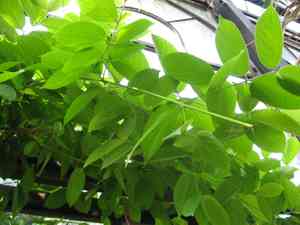
Rangoon creeper(Combretum indicum)

Rangoon creeper (Combretum indicum)

Also known as: Burma creeper, Quisqualis

The Rangoon Creeper (Combretum indicum) boasts lush, climbing foliage, making it perfect for adorning pergolas, fencelines, or trellises. Its flowers release a captivating fragrance after sunset, enhancing the natural beauty of any garden. This plant is particularly attractive to pollinators and nectar-feeding insects.

Attributes of Rangoon creeper

Lifespan
Perennial
Plant Type
Vine
Plant Height
8 m
Spread
5 m
Leaf Color
Green Blue
Flower Size
2.5 cm to 5 cm
Flower Color
White Pink Red Yellow Purple

ForwardPlant - Identify plants with a snap

Identify and diagnose plants, get toxicity alerts, and explore safety guides for all types of fungi.

Try for Free

Images of Rangoon creeper

Rangoon creeper(Combretum indicum)

Quickly Identify Rangoon creeper

1
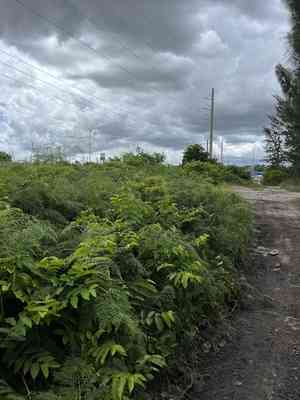
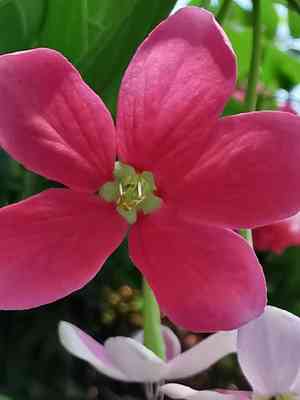
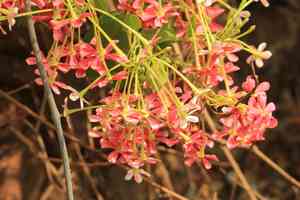
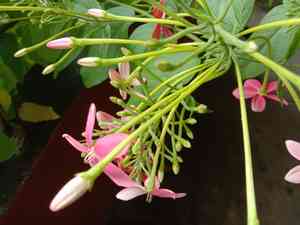
Look for a vigorous climber with dark green, ovate leaves and lush, dense foliage. The flowers start as white and gradually change to pink, deepening to a red color. The fruits are dry and form an angular, five-winged drupe.

Scientific Classification of Rangoon creeper

Phylum
Vascular plants
Class
Dicotyledons
Order
Myrtle order
Family
White mangrove
Genus
Bushwillows
Species
Rangoon creeper

Planting and Growing of Rangoon creeper

Care Difficulty
Easy
Watering Schedule
Every 4 days
Sunlight Requirements
Full sun
Sunshine Duration
6-10 hours
Ideal Temperature
68-77℉
Soil Type
Potting Mix, Peat Mix
Soil pH
6.5-7.5
Fertilizer Type
Balanced
Pruning Season
Spring, Summer
Pruning Area
Branches, Leaves
Pruning Frequency
2 times a year
Repotting Season
Spring
Pot Type
Ceramic, Plastic

water icon How to Water Rangoon creeper?

The watering amount for Combretum indicum should be just enough to keep the soil consistently moist but not soggy. Aim for approximately 500 ml of water each session, ensuring that excess water can drain out easily to prevent waterlogging. When watering, check that the water penetrates deeply to reach the plant roots.
What are the symptoms of an underwatered Rangoon creeper?
What should I do if my Rangoon creeper is not getting enough water?
What are the symptoms of an overwatered Rangoon creeper?
How to save an overwatered Rangoon creeper?
More About Watering Techniques

sunlight icon What Are the Sunlight Requirements for Rangoon creeper?

Sunlight Requirements: Full sun, Partial sun
Duration of light: 4-6 hours daily
Combretum indicum prospers in full to partial sun, ideally benefiting from 4 to 6 hours of sunlight daily. Sufficient exposure boosts flower production and overall plant vitality.
What are the ideal lighting conditions?
How can I ensure my plant gets the ideal sunlight?
What benefits does ideal sunlight provide?
More About Sunlight Requirements Techniques

temperature icon What Is the Ideal Temperature Range for Rangoon creeper?

Ideal Temperature: 68 ~ 77℉
The Combretum indicum thrives best in temperatures ranging from 68 to 77°F. These temperatures support vigorous growth and blooming, providing the optimal environment for photosynthesis and nutrient absorption. Maintaining this range helps the plant form healthy foliage and vibrant flowers.

soil icon What Soil is Best for Rangoon creeper?

Soil type: Loam, Sandy loam
Soil PH: 6.5 ~ 7.5
Combretum indicum thrives in well-draining soil that prevents water from pooling around the roots. This is essential as it helps avoid issues like root rot, ensuring the plant remains healthy and vibrant. A fertile, nutrient-rich environment supports robust growth in Combretum indicum. The abundance of organic matter in the soil provides essential nutrients, leading to lush foliage and prolific blooms. Soil that is slightly acidic, with a pH range between 6.5 and 7.5, allows for optimal nutrient absorption. This pH balance helps maximize the plant’s access to necessary minerals, fostering vibrant color and healthy growth. More About Soil

fertilize icon How to Fertilize Rangoon creeper?

Fertilizer type: Balanced
When fertilizing Combretum indicum, it is crucial to apply the right amount of nutrients to optimize growth without causing harm. Liquid fertilizers should be diluted adequately and used moderately, approximately at a concentration of one-quarter the recommended amount for houseplants. For slow-release fertilizers, use about 30 grams every four months around the root zone for mature plants to ensure even nutrient supply. More About Fertilizing Techniques

prune icon How to Prune Rangoon creeper?

Pruning Time: Spring, Summer, Autumn
Begin your pruning session by removing any dead, damaged, or diseased branches. This not only improves the look of the plant but also promotes healthier growth by preventing the spread of disease. Next, focus on the overall shape of your Combretum indicum. Trim back any wayward branches to maintain its natural form. This also ensures that sunlight reaches the inner parts, promoting even growth. To improve air circulation within the plant, thin out dense areas of the canopy. This helps prevent fungal issues and ensures that sunlight penetrates throughout the plant, aiding in photosynthesis. When making cuts, always trim just above a node or bud. This encourages new growth and helps the plant heal faster. Ensure your cuts are at a slight angle to resist water logging and infection. More About Pruning Techniques

propagate icon How to Propagate Rangoon creeper plant?

Propagate Time: Late spring, Early summer, Summer
1
Collect seeds from mature Combretum indicum plants, ensuring they are dry and free from any signs of disease. Store them in a cool, dry place prior to planting.
2
Select healthy, non-flowering shoots and cut sections approximately 6-8 inches long. Remove the lower leaves to expose the nodes, which will encourage root growth.
3
Select a healthy branch that can be bent to the ground, remove a small patch of bark to expose the cambium, and bury the wounded section in soil to encourage root formation.
More About Propagating Techniques

repot icon How to Repot Rangoon creeper plant?

Repotting frequency: Every 1-2 years
1
Repot Combretum indicum when you notice roots growing out of the drainage holes or if the plant appears too large for its current pot. These are strong indicators that the plant has outgrown its existing space and needs more room to thrive. Choosing the right time to repot ensures the plant's continued health and growth.
2
Select a pot that is one size larger than the current one, with good drainage holes. The increased space allows the roots to spread and prevent waterlogging, which can lead to root rot. A pot made of breathable material, like terracotta, can also help regulate soil moisture levels.
3
Opt for a well-draining potting mix, ideally one that replicates the plant's natural environment. A blend incorporating sand, perlite, and organic material is beneficial. This soil type ensures proper aeration and prevents the roots from sitting in water, promoting healthy root development.

ForwardPlant - Identify plants with a snap

Find the best spots for them to optimize their health, simply using your phone.

Try for Free

Toxicity of Rangoon creeper

Is Rangoon creeper toxic to humans?

Rangoon creeper exhibits a mild level of toxicity, which is primarily linked to its seeds. When these seeds are inadvertently consumed by humans, they can trigger a toxic reaction. The signs of poisoning are notably extensive, ranging from gastrointestinal issues like nausea and vomiting to more systemic effects such as headaches and dizziness. It is vital for individuals, especially children who may be attracted to the seeds out of curiosity, to refrain from eating them. The mild toxicity of rangoon creeper highlights the necessity of acknowledging the potential hazards linked to the accidental ingestion of plant seeds, even when other parts of the plant may not pose similar risks.

Identify toxic plants for your safety

Learn which plants are harmful to you and your pets, and make informed choices for a safer home!

Try for Free
WARNING
The judgment on toxicity and danger is for reference only. We DO NOT GUARANTEE any accuracy of such judgment. Therefore, you SHALL NOT rely on such judgment. It is IMPORTANT TO SEEK PROFESSIONAL ADVICE in advance when necessary.
More About Toxic Techniques