How to Prune White breath of heaven?
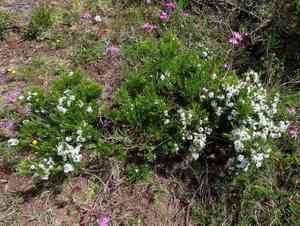
This perennial bush is celebrated for its slender, acicular leaves and fragile white blossoms. For white breath of heaven, trimming ought to concentrate on excising lifeless or ailing limbs and sculpting for a dense structure. The perfect period is from late spring to early summer, following the bloom cycle. Gentle snipping fosters denser development and preserves the plant's ethereal look. Overly aggressive pruning can jeopardize the well-being of white breath of heaven, thus employing sharp implements and making precise cuts is vital for peak vitality and presentation.
Advantages of Trimming White Breath Of Heaven
Advantages of Trimming White Breath Of Heaven
Trimming white breath of heaven promotes abundant blooms and helps deter pests and diseases by enhancing air circulation and sunlight penetration, crucial for plant vitality.
Optimal Pruning Period for White Breath Of Heaven
Optimal Pruning Period for White Breath Of Heaven
The recommended pruning times for white breath of heaven align with its natural growth cycle, encompassing both vegetative and flowering phases. Pruning in late spring allows for the removal of winter damage before rapid spring growth begins, ensuring the plant maintains its form and vigor without hindering new development. Early summer pruning, following the initial spring growth spurt, can be beneficial for shaping the plant and encouraging a second wave of growth before it enters a slower phase. This timing prevents the removal of buds that will become the current season's flowers, as white breath of heaven often blooms on new growth. Additionally, pruning during these seasons supports plant health by fostering good air circulation within the foliage, which reduces the risk of fungal diseases common in cooler, wetter periods. Pruning in late spring or early summer also benefits from mild weather, allowing the plant to recover quickly without the stress of extreme temperatures. Overall, adhering to these guidelines ensures that white breath of heaven remains healthy, visually appealing, and capable of prolific blooming.
Tools Required for Pruning White Breath Of Heaven
Hand Pruners
Perfect for making precise cuts on white breath of heaven's smaller stems and branches, hand pruners are ergonomic and strong enough to ensure clean cuts without harming the plant.
Bypass Pruners
These pruners operate like scissors, providing a clean and healthy cut, which is beneficial for white breath of heaven's delicate branches to promote healing and lessen disease risk.
Loppers
Equipped with long handles, these tools help reach deeper into white breath of heaven's growth and trim thicker branches, offering leverage for clean cuts with minimal effort.
Pruning Saw
For the thickest branches of white breath of heaven that hand pruners and loppers cannot manage, a pruning saw can cut through the wood cleanly without tearing.
Gardening Gloves
Protects hands from thorns and rough branches while pruning white breath of heaven, ensuring safety and comfort during the task.
Disinfectant
Cleaning tools before and after pruning white breath of heaven prevents the spread of pathogens, promoting the plant's health and longevity.
How to Prune White Breath Of Heaven
Sanitize Tools
Ensure all pruning tools are clean and sharp to prevent disease transmission and make clean cuts on white breath of heaven.
Remove Diseased Parts
First, remove any diseased leaves or branches to stop disease spread within white breath of heaven, using angled cuts to aid healing.
Trim Dead Material
Cut away dead branches and withered leaves from white breath of heaven, which will deter pests and diseases and encourage new growth.
Shaping
Prune excessive growth branches to maintain the shape and size of white breath of heaven, improving air circulation and sunlight penetration.
Prune Spent Flowers
Trim off withered flowers to conserve white breath of heaven's energy for new growth and potential reblooming.
Common Pruning Errors with White Breath Of Heaven
Overpruning
Removing too much foliage at once can stress white breath of heaven, leading to poor growth or even death. It is crucial not to cut away more than one-third of the plant in a single pruning session.
Blunt Tools
Using dull pruning tools can cause jagged cuts that make white breath of heaven more vulnerable to disease. Always use sharp, clean tools for precise cuts.
Improper Cut Location
Cutting too close or too far from the nodes can result in poor regrowth or damage. Cuts should be made just above leaf nodes at a 45-degree angle.
Pruning For Shape Only
Focusing solely on shaping white breath of heaven can overlook the plant's overall health and vitality. Pruning should also prioritize removing dead or diseased branches to promote healthy growth.
Neglecting Sanitation
Not sanitizing tools between plants can spread disease. Clean your tools with a disinfectant before moving from one white breath of heaven to another.
General Pruning Advice for White Breath Of Heaven
Thin Out
Remove some of the older stems at the base to encourage new growth from the bottom. This helps maintain a more compact, healthier white breath of heaven.
Encourage Bushiness
Pinch or cut back tips during the growing season to promote a bushy growth habit. This will make white breath of heaven fuller and more robust.
Deadheading
Regularly removing spent flowers can encourage further blooming throughout the season and prevent excessive self-seeding of white breath of heaven.
Watch For Disease
While pruning, inspect white breath of heaven for signs of disease. Remove any diseased branches immediately to prevent spread, following the correct disposal protocols.
Aftercare
After pruning white breath of heaven, ensure that the plant is well-watered and mulched to aid its recovery and encourage strong new growth.



