How to Prune Gbanja cola tree?
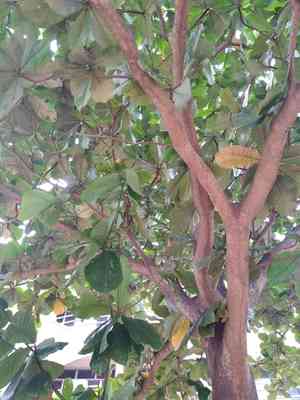
The gbanja cola tree, a tropical variety prized for its nuts, flourishes with particular trimming methods. Conduct pruning during its dormant period in winter to encourage robust development. Initially, eliminate any deceased or ailing wood, then reduce dense branches to improve light exposure and air circulation. Restrict pruning to less than one-third of the tree's crown to prevent undue strain. This practice not only sculpts the tree but also boosts nut output and overall tree vitality, rendering it a crucial activity for cultivators seeking peak harvests.
Advantages of Trimming Gbanja Cola Tree
Advantages of Trimming Gbanja Cola Tree
Trimming gbanja cola tree promotes robust development by stimulating new shoots, ensuring the tree remains fruitful. It also aids in preserving its desired form, enhancing the tree's visual appeal and structural soundness.
Optimal Period for Trimming Gbanja Cola Tree
Optimal Period for Trimming Gbanja Cola Tree
Trimming gbanja cola tree from late winter to early spring coincides with the time just before new growth begins, allowing pruning wounds to heal rapidly due to increased plant activity. This timing also prevents potential harm to new shoots and leaves, which are more vulnerable if pruning occurs during active growth. Furthermore, removing dead or diseased branches at this time revitalizes gbanja cola tree for the upcoming growing season, boosting its health and yield. It's also crucial to consider that pruning after the plant has used energy for flower, leaf, or fruit production can divert energy from essential growth and renewal. Pruning before this energy expenditure helps ensure the plant's resources are directed towards healing and producing new, healthy growth.
Necessary Tools for Trimming Gbanja Cola Tree
Bypass Pruners
For young gbanja cola tree trees or slender branches up to 1/2 inch in diameter, bypass pruners are the most appropriate tool. They create clean, precise cuts vital for the plant's well-being.
Loppers
When addressing branches on gbanja cola tree that are 1/2 to 2 inches thick, loppers should be employed. They offer greater leverage and reach, particularly useful for a medium-sized tree like gbanja cola tree.
Pruning Saw
For mature gbanja cola tree trees with branches exceeding 2 inches in diameter, a pruning saw is indispensable. The saw enables more substantial, thicker cuts without harming the surrounding branch structure.
Pole Pruner
Given the height gbanja cola tree can attain, a pole pruner is crucial for safely trimming higher branches without a ladder. It should be used carefully to avoid tearing or uneven cuts.
Gloves and Safety Gear
Though not a cutting implement, protective gloves and safety equipment are essential when trimming gbanja cola tree to prevent injuries from thorns or falling branches.
How to Trim Gbanja Cola Tree
Sanitation
Before trimming gbanja cola tree, ensure all cutting implements are sterilized to prevent disease transmission. Use a solution of 1 part bleach to 9 parts water to disinfect shears and saws.
Identification
Carefully examine gbanja cola tree for any dead or diseased branches. Dead branches typically lack leaves or have brown leaves, and diseased branches may exhibit discoloration, cankers, or unusual growth patterns.
Cutting
Using sharp, clean pruning shears or a saw, make cuts on dead or diseased branches. Ensure to cut back to healthy tissue, slightly above a bud or branching point, to encourage healthy regrowth.
Disposal
Remove the trimmed dead or diseased branches from the vicinity of gbanja cola tree. Dispose of them properly to prevent the potential spread of pests or diseases that could harm the tree or other nearby plants.
Cleanup
Clean the tools again after use to remove any potentially infectious material. Regularly maintain your tools to keep them sharp and efficient for future trimming.
Common Trimming Errors with Gbanja Cola Tree
Excessive pruning
Removing too much foliage from gbanja cola tree at once can stress the tree, leading to stunted growth or a weakened structure.
Poor tool upkeep
Using dull or dirty tools can result in jagged cuts that are more susceptible to infections, harming gbanja cola tree's health.
Ignoring disease indicators
Failing to recognize signs of disease before trimming can lead to the spread of pathogens throughout gbanja cola tree.
Neglecting tree form
Trimming without understanding gbanja cola tree's growth habit can result in an unbalanced or unstable tree.
Incorrect cut placement
Cutting too close or too far from the bud or branch collar can hinder healing and affect future growth of gbanja cola tree.
Leaving stubs
Leaving a stub when removing branches can impede the healing process and provide an entry point for pests and diseases.
General Trimming Advice for Gbanja Cola Tree
Clean cut technique
Ensure cuts are clean and smooth to promote rapid healing and reduce the risk of disease in gbanja cola tree.
Disinfect pruning tools
Prevent the spread of disease by disinfecting tools before and after use on gbanja cola tree, especially when moving between different plants.
Follow natural shape
Trim gbanja cola tree according to its natural growth pattern to maintain its structural integrity and aesthetic appeal.
Deadwood removal
Regularly remove dead or dying branches to improve air circulation and light penetration, benefiting gbanja cola tree's overall health.
Thinning
Thin out crowded branches to ensure that gbanja cola tree receives adequate light and air, which is essential for its growth and the prevention of disease.
Targeted pruning
Focus on removing only the necessary parts of gbanja cola tree, such as crossing or rubbing branches, to maintain its strength and vigor.



