How to Prune Rose glory bower?
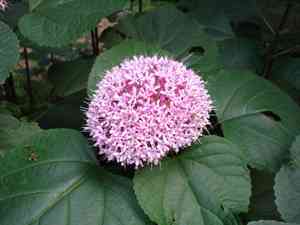
Distinguished by its aromatic pink blossoms and expansive foliage, rose glory bower necessitates consistent trimming to preserve its form and stimulate flowering. Essential methods involve shortening elongated branches and eliminating any lifeless or ailing timber. The most suitable period for pruning is early spring, prior to the emergence of new shoots. Trimming improves air movement and light access, fostering vigorous well-being. Refrain from excessive pruning, which might diminish bloom production, and disinfect implements to avert pathogen dissemination.
What Are the Benefits of Pruning Rose Glory Bower?
What Are the Benefits of Pruning Rose Glory Bower?
Trimming rose glory bower promotes robust development and helps maintain its form. Regular cutting back ensures healthy branches and can enhance blooming, making rose glory bower an appealing element in gardens.
What Is the Best Time for Pruning Rose Glory Bower?
What Is the Best Time for Pruning Rose Glory Bower?
Pruning rose glory bower in early spring is advantageous as it aligns with the plant's natural growth cycle. This timing allows for the removal of any winter damage before the plant expends energy on new growth. It also stimulates fresh growth, which can contribute to a more vigorous flowering phase. Furthermore, pruning after the risk of frost has passed minimizes the chance of cold damage to new cuts, ensuring rose glory bower's health and vitality during the growing season.
What Tools Do I Need to Prune Rose Glory Bower?
Hand Pruners
Perfect for trimming stems and small branches on rose glory bower up to 3/4 inches in diameter. Clean cuts help prevent disease and encourage healthy regrowth.
Loppers
Ideal for reaching into denser areas of rose glory bower and making precise cuts on thicker stems, typically up to 1 1/2 inches in diameter.
Pruning Saw
Essential when dealing with woody stems of rose glory bower thicker than what hand pruners or loppers can manage. A saw can quickly cut branches over 1 1/2 inches.
Shears
Useful for shaping and managing the growth of rose glory bower, these are good for snipping through softer foliage and smaller stems and can help maintain the desired appearance.
Gloves
Protects hands during the pruning process of rose glory bower, as handling the plant may expose the gardener to sharp edges and potential skin irritants.
Pruning Sealer
Helps protect cut surfaces on rose glory bower against disease and pests, promoting faster healing of the pruned areas.
How to Prune Rose Glory Bower
Step1: Timing for Pruning
Determine the optimal time for pruning rose glory bower, which is late winter or early spring before new growth commences. This timing helps encourage vigorous growth and flowering in the upcoming season.
Step2: Prepare Pruning Tools
Begin by cleaning and sharpening your pruning tools. Disinfect them with a solution of one part bleach to nine parts water to prevent the spread of diseases.
Step3: Inspect for Dead Wood
Examine rose glory bower for dead wood. Look for branches that are discolored, shriveled, or showing signs of decay. Gently grasp each suspect branch to see if it feels brittle or easily snaps.
Step4: Remove Dead Wood
Carefully remove dead wood by cutting each branch at its base, as close to the main stem as possible, without cutting into healthy tissue. Use pruning shears for thinner branches and a saw for thicker limbs. Make the cut at a slight angle to prevent water accumulation that could cause rot.
Step5: Deadhead Old Flowers
Prune away old flowers, also known as deadheading, to redirect rose glory bower's energy into producing new growth and blooms. Locate the spent flowers and follow the stem down to the first set of healthy leaves.
Step6: Prune Above Leaf Nodes
Make a cut just above the first set of healthy leaves, ideally 1/4 inch above a leaf node, using sharp pruning shears. This will encourage the growth of new flowering branches and maintain the shape of rose glory bower.
Step7: Thin Crowded Branches
Thin out any crowded or crossing branches to improve air circulation through rose glory bower. This practice helps reduce the risk of disease and encourages a healthier, more open plant structure.
Step8: Shape and Balance Plant
If necessary, shape rose glory bower by shortening overly long or unbalanced branches. This should be done sparingly, mainly for aesthetic purposes or to control the size of the plant.
Step9: Cleanup Pruning Debris
Clean up all the cuttings from around rose glory bower to prevent the spread of pests and diseases. Decompose or discard the trimmings, but do not use affected material for compost.
Step10: Water and Fertilize Post-Pruning
After pruning rose glory bower, water the plant thoroughly and apply a balanced, slow-release fertilizer to support recovery and new growth.
Post-Pruning Care for Rose Glory Bower
Post-Pruning Care for Rose Glory Bower
Immediately after pruning rose glory bower, water thoroughly and apply a balanced, water-soluble fertilizer to promote healing and growth. Ensure rose glory bower receives partial shade while new shoots develop, with consistent temperatures and high humidity levels maintained. Monitor rose glory bower regularly for wilting or yellowing leaves, which can indicate stress or disease. If such signs appear, adjust care and potentially consult a plant health specialist. Consistent post-pruning care is essential for rose glory bower's recovery and thriving.
Common Pruning Mistakes with Rose Glory Bower
Improper Cuts on Main Stems
Cutting into the thick, woody stems without considering the natural shape and growth habit of rose glory bower, which can negatively affect its appearance and growth.
Over-Pruning Leaves and Flowers
Removing too many leaves and flowers, which can stress rose glory bower, reduce its capacity for photosynthesis, and impact its overall health and flowering potential.
Using Dull or Dirty Tools
Pruning with dull or unclean tools, leading to jagged cuts that can introduce pests or diseases to rose glory bower, and impede its healing and regrowth processes.
Excessive Pruning
Aggressive pruning, which can stunt the growth of rose glory bower or cause the plant to produce a mass of weak, leggy shoots detrimental to its form and vigor.
Ignoring Dead Growth
Neglecting to remove dead or diseased growth, which can inhibit new growth and leave rose glory bower susceptible to further illness and infestation.
Common Pruning Tips for Rose Glory Bower
Sharp, Clean Shear Usage
Use sharp and clean pruning shears to make clean cuts, which help rose glory bower to heal quickly and reduce the risk of disease transmission.
Prune for Shape and Congestion Prevention
Prune rose glory bower to maintain an attractive shape and to remove any wayward or crossing branches that could create congestion and promote disease.
Strategic Cuts Near Nodes for Directed Growth
Cut just above a node or a pair of leaves to encourage rose glory bower to produce new growth in the desired direction, aiding in a fuller, healthier plant.
Thinning for Airflow and Light
Thin out the center of rose glory bower if it becomes overcrowded, to improve air circulation and light penetration, both of which are vital for the health of the plant.
Gradual Size Reduction Over Seasons
When reducing the size of rose glory bower, do so incrementally over several seasons instead of all at once, to minimize stress and preserve the plantâs health and flowering capacity.



