How to Prune Wampi?
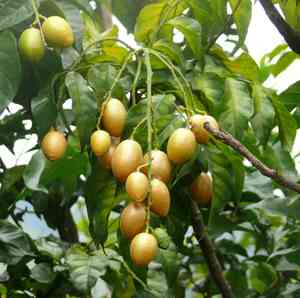
This exotic fruit-bearing tree is distinguished by its thick canopy and fragrant white blossoms. To ensure peak vitality and fruit yield, essential trimming methods involve reducing congested limbs and eliminating lifeless or ailing timber. Wampi thrives with spring pruning, immediately following the final frost, to stimulate robust new development. Particularly for wampi, pruning aids in preserving a controllable form and improves air movement, thereby lowering the likelihood of infestations and fungal ailments. Precise cuts additionally encourage fruit development in convenient clusters, elevating the caliber of the harvest.
What Are the Benefits of Pruning Wampi?
What Are the Benefits of Pruning Wampi?
Trimming wampi can lead to a more plentiful yield by encouraging new development. It aids the plant in growing more robustly, ensuring improved air movement and light access. Regular trimming keeps wampi well-formed for aesthetic appeal and peak vitality.
What Is the Best Time for Pruning Wampi?
What Is the Best Time for Pruning Wampi?
Pruning wampi from late winter to early spring is considered ideal because the plant is either dormant or just beginning its active growth phase, which minimizes stress and encourages vigorous development. This timing allows for the removal of any damaged or diseased branches before new growth emerges, enhancing wampi's overall health and structure. Furthermore, since wampi flowers and fruits on the current year's growth, late winter pruning will not hinder blooming and fruiting, which typically occurs from late spring to summer. Pruning during the recommended season ensures the plant has ample time to recover and produce new growth capable of supporting flowers and fruits in the upcoming season.
What Tools Do I Need to Prune Wampi?
Hand Pruners
Perfect for making precise cuts on smaller branches and twigs of wampi, minimizing harm to plant tissues. This is vital for maintaining plant health and fostering productive growth.
Loppers
Most suitable for cutting thicker branches that hand pruners cannot manage. Loppers offer increased leverage and reach, enabling gardeners to prune wampi with greater ease and effectiveness.
Pruning Saw
Essential for cutting through the largest branches of wampi that are too thick for hand pruners and loppers. A pruning saw helps in making accurate cuts without tearing the bark, which can invite disease.
Hedge Shears
Useful for shaping and maintaining the visual form of wampi. They facilitate even trimming of foliage, helping to promote a dense and uniform canopy.
Pole Pruner
Helpful for reaching higher branches without needing a ladder. This improves safety when pruning wampi and is crucial for maintaining taller specimens with an extensive growth habit.
How to Prune Wampi
Sanitize Tools
Clean and disinfect all pruning tools to prevent the spread of disease when trimming wampi.
Remove Dead Branches
Carefully cut away all dead branches from wampi, making clean cuts at a 45-degree angle just above a leaf node or branch junction.
Eliminate Diseased Branches
Identify and remove any branches showing signs of illness, cutting well into healthy tissue to ensure the disease is fully eradicated from wampi.
Disinfect After Cutting
After each cut, especially when removing diseased branches, disinfect the pruning tools to prevent spreading pathogens to healthy parts of wampi.
Thin Out Overgrowth
Thin out overgrown areas to improve air circulation and light penetration, which can help prevent future disease in wampi. Cut back to a lateral branch or bud to encourage healthy new growth.
Common Pruning Mistakes with Wampi
Over-Pruning
Removing too much foliage at once can stress wampi, potentially leading to fewer blooms and a weakened plant structure.
Making Jagged Cuts
Incorrect cutting technique can result in jagged edges that are more susceptible to diseases and pests.
Pruning Without Sterilizing Tools
Failure to sterilize pruning tools before use can spread pathogens between plants, which may infect wampi.
Neglecting To Remove Deadwood
Forgetting to regularly remove dead or diseased branches can hinder wampi's growth and overall health.
Topping
Cutting the top off wampi disrupts the natural growth pattern, which can lead to poor fruiting and increased susceptibility to pests and diseases.
Common Pruning Tips for Wampi
Selective Thinning
Remove only what is necessary to improve air circulation and light penetration, which promotes healthy growth in wampi.
Clean Cuts
Make clean cuts at a 45-degree angle away from a bud to promote healing and reduce the risk of disease for wampi.
Use Sharp Tools
Sharp and properly maintained pruning tools help to ensure precise cuts that heal quickly on wampi.
Remove Suckers And Water Sprouts
Eliminate non-fruiting branches such as suckers and water sprouts to direct more energy to fruit production in wampi.
Prune For Shape And Structure
Shape wampi by strategically removing branches, which can encourage better tree form and fruiting performance.



