How to Prune Waltham creek clarkia?
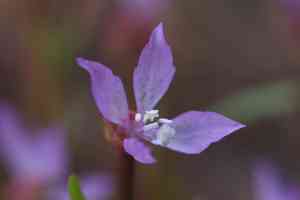
Waltham creek clarkia is celebrated for its vivid flowers and fine leaves. Trimming methods for waltham creek clarkia involve deadheading to promote extended flowering and shortening elongated stalks to preserve its form. The best periods for pruning are during spring, summer, and autumn, coinciding with its development and flowering phases. Consistent trimming prevents excessive density, improves air movement, and boosts the plant's general well-being and robustness. Refer to trusted gardening resources for precise approaches tailored to your regional weather and environment.
What Are the Benefits of Pruning Waltham Creek Clarkia?
What Are the Benefits of Pruning Waltham Creek Clarkia?
Waltham creek clarkia benefits from trimming by encouraging robust development and maintaining a neat form. This promotes healthy growth, stimulates more abundant flowering, prevents illness, and manages size, ensuring an attractive garden specimen.
What Is the Best Time for Pruning Waltham Creek Clarkia?
What Is the Best Time for Pruning Waltham Creek Clarkia?
Trimming waltham creek clarkia during the Spring, Summer, and Fall periods aligns with its natural growth pattern. Pruning in Spring helps shape the plant and remove winter damage before new growth emerges. Summer pruning can help manage size and encourage bushier growth as the plant is actively growing and can quickly recover from cuts. Fall pruning allows for the removal of spent blooms and any damaged or diseased stems before dormancy, ensuring it conserves energy over winter.
What Tools Do I Need to Prune Waltham Creek Clarkia?
Hand Pruners
Perfect for precise cuts on small stems and branches, fitting the delicate structure of waltham creek clarkia. Ensure they are sharp and clean to prevent tearing plant tissue.
Pruning Shears
Useful for slightly larger stems that might need more force to cut. They provide a clean cut that helps prevent plant damage.
Bypass Pruners
Ideal for live stems as they offer a cleaner cut that heals more effectively. Prevents stem crushing, which is crucial for waltham creek clarkia's health.
How to Prune Waltham Creek Clarkia
Inspect
Examine the plant for any shriveled leaves that require removal. This aids in assessing its condition and planning the pruning process efficiently.
Tool preparation
Sanitize pruning shears or scissors to prevent disease transmission. Ensure tools are sharp to make clean cuts that will promote better healing.
Cut withered leaves
Carefully trim away the shriveled leaves at their base where they meet healthy stems or the main plant body. Make sure to cut just above a healthy node to encourage new growth.
Dispose debris
Remove all trimmed leaves from around the plant's base to prevent pests and diseases. Proper disposal is vital for maintaining plant health.
Monitor growth
Observe the plant after pruning for signs of new growth or any issues. Regular monitoring will help in early detection of potential problems and ensure the plant is thriving.
Common Pruning Mistakes with Waltham Creek Clarkia
Over-pruning
Removing too much foliage at once can stress waltham creek clarkia and hinder its blooming potential.
Improper Cuts
Making jagged or incomplete cuts can leave the plant susceptible to disease and pest infestations.
Timing Errors
Pruning at an unsuitable time can disrupt the growth cycle and reduce flowering.
Ignoring Dead or Diseased Parts
Failing to remove dead or diseased branches can spread illness and impede plant health.
Common Pruning Tips for Waltham Creek Clarkia
Use Sharp Tools
Ensure your pruning shears or scissors are sharp to make clean, smooth cuts.
Sanitize Equipment
Always clean and sanitize your pruning tools before and after use to prevent disease transmission.
Remove Dead/Diseased Wood
Promptly cut back any dead or diseased branches to maintain plant health.
Moderation is Key
Prune moderately to avoid excessive removal of foliage, which can stress waltham creek clarkia.
Focus on Shape
Maintain the natural shape of waltham creek clarkia by pruning strategically rather than removing large sections indiscriminately.
Foster Airflow
Prune to improve airflow through the plant which helps prevent mold and mildew.



