How to Prune Pomelo?
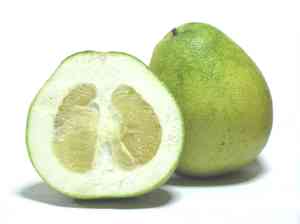
This substantial, perennial citrus specimen is recognized for its considerable, aromatic produce. Effective trimming strategies for pomelo concentrate on excising deceased or frail branches to foster robust development and enhance air movement. Reducing superfluous branches additionally contributes to larger and superior quality fruit. The optimal period for trimming is in late winter, immediately preceding the commencement of spring growth. Essential aspects involve executing precise cuts and refraining from over-removing leaves, as this can diminish fruit output and create vulnerabilities to pests and pathogens. Trimming pomelo boosts its vitality and harvests, facilitating a more controllable tree architecture.
Advantages of Trimming Pomelo
Advantages of Trimming Pomelo
Trimming pomelo results in a more plentiful yield by stimulating flower and fruit development. Strategic cutting promotes robust growth, maintaining the plant's size and shape, while enhancing its aesthetic appeal. Pruning also reduces the risk of disease and pest infestations.
Optimal Time for Pruning Pomelo
Optimal Time for Pruning Pomelo
Pruning pomelo in late winter is considered ideal because this timing coincides with the plant's dormant phase before the spring growth cycle begins. This period is perfect as it minimizes stress on pomelo and allows the plant's energy to be directed towards recovery and new growth when temperatures rise. Furthermore, the absence of leaves at this time offers better visibility for identifying and selectively removing diseased, damaged, or overcrowded branches. Pruning before the spring growth spurt ensures that cuts have time to heal before new growth starts, thereby lowering the risk of infection. Additionally, it prevents the removal of flower buds, which would decrease fruit yield, as pomelo flowers on the current season's growth. Pruning in late winter is also beneficial for maintaining the desired shape and size of pomelo, promoting air circulation and light penetration, which are vital for the plant's health and productivity.
Essential Tools for Pruning Pomelo
Hand Pruners
Perfect for snipping smaller branches on pomelo. Opt for bypass pruners for clean cuts on living growth.
Loppers
Effective for reaching into the canopy and cutting branches up to 1.5 inches in diameter, ensuring precise larger cuts while preserving plant health.
Pruning Saw
Required for removing larger branches that hand pruners and loppers cannot manage, ideal for cutting branches over 1.5 inches thick.
Pole Pruners
Enable pruning of higher branches without needing a ladder, maintaining safety and efficiency when shaping pomelo's canopy.
Hedge Shears
Useful for shaping the outermost foliage and small branches, good for quickly trimming back soft growth to maintain a desired shape in hedges or dense foliage areas.
Gardening Gloves
Protection for the gardener's hands from thorns and rough bark while pruning pomelo.
Clean Cloth and Disinfectant
Crucial for cleaning and sanitizing tools between cuts to prevent the spread of disease in pomelo.
How to Prune Pomelo
Sanitize Tools
Before pruning pomelo, clean and sterilize all pruning tools using a solution of 1 part bleach to 9 parts water to prevent disease transmission.
Remove Dead Branches
Identify and cut away all dead branches from pomelo, making cuts at a 45-degree angle approximately 1/4 inch above a live bud or branch junction using sharp, clean pruning shears.
Remove Diseased Branches
Inspect pomelo for diseased branches, indicated by discoloration or unusual growths, and prune them off well below the affected area to prevent further disease spread.
Thinning Cuts
Perform thinning cuts to remove excess growth and open up the canopy of pomelo for better light penetration and air circulation, which helps reduce disease pressure and supports healthy fruit development.
Clean Up
After pruning pomelo, clean up all removed plant material from the ground to eliminate potential sources of disease and dispose of it properly, avoiding composting if it is diseased.
Common Pruning Errors with Pomelo
Excessive Pruning
Removing too much foliage at once can weaken pomelo and reduce its vigor, potentially leading to fewer fruits and a decline in overall health.
Incorrect Cutting Technique
Improper cuts, such as tearing bark or leaving stubs, can create open wounds on pomelo that are susceptible to pests and diseases.
Pruning During Active Growth
Cutting back pomelo when it is actively growing can cause unnecessary stress and sap loss, hindering its development.
Neglecting Tool Sanitation
Using dirty pruning tools can introduce diseases to pomelo, which can spread quickly and compromise the plant's health.
Uniform Trimming
Cutting pomelo into uniform shapes, like balls or cubes, disregards the natural growth pattern and can harm the plant's structural integrity.
General Pruning Advice for Pomelo
Selective Thinning
Remove only the necessary branches to improve air circulation and light penetration, which helps pomelo produce larger and sweeter fruits.
Clean Cuts
Make clean, angled cuts just above the bud to promote faster healing and prevent disease on pomelo.
Remove Deadwood
Regularly cutting away dead or diseased branches from pomelo helps maintain its health and appearance without over-pruning.
Tool Care
Keep pruning tools sharp and sanitized before use on pomelo to make precise cuts and minimize disease transmission.
Structural Shaping
Encourage a strong scaffold structure for pomelo by selectively pruning to shape the plant without compromising its natural form.
Water Sprout Removal
Remove water sproutsâvigorous vertical growths on pomeloâto prevent them from sapping energy from fruiting branches.



