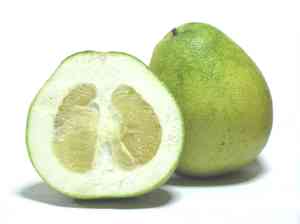
Pomelo (Citrus grandis)
Also known as: Jabong, Pumello, Shaddock
The pomelo (*Citrus grandis*) is the largest citrus fruit in the world, known for its greenish hue and thick, tough rind that can be challenging to peel. Originating from tropical and subtropical regions, this fruit is the ancestor of the grapefruit (*Citrus x paradisi*). Despite having relatively little juice, pomelos are popular in Southeast Asia.
Attributes of Pomelo
Images of Pomelo
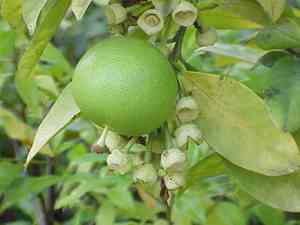

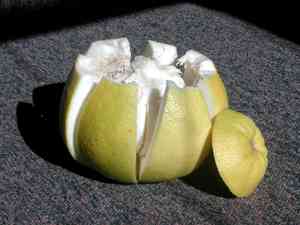
Quickly Identify Pomelo
Scientific Classification of Pomelo
Planting and Growing of Pomelo
 How to Water Pomelo?
 What Are the Sunlight Requirements for Pomelo?
 What Is the Ideal Temperature Range for Pomelo?
 What Soil is Best for Pomelo?
 How to Fertilize Pomelo?
 How to Prune Pomelo?
 How to Propagate Pomelo plant?
 How to Repot Pomelo plant?
Toxicity of Pomelo
Is Pomelo toxic to cat?
Pomelo presents a moderate toxicity risk for cats. Each component of this plant can be dangerous if ingested, so cat owners must be vigilant to avoid consumption. When poisoned, a cat might show indications of physical distress that necessitate immediate veterinary intervention. Timely treatment at a veterinary clinic is essential to alleviate the effects of the toxin found in pomelo.
Is Pomelo toxic to dog?
The pomelo plant species is regarded as having a moderate toxicity level for dogs. If a dog consumes any portion of this plant, there exists a risk of toxicity since every part is harmful. Dogs may become poisoned by ingesting fragments of the plant, which can happen if they encounter fallen leaves or fruit, or if they gnaw on branches or stems. Following ingestion, signs of poisoning may appear, which might include gastrointestinal disturbances, vomiting, diarrhea, lethargy, or more severe reactions based on the quantity ingested. Should a dog display any unusual behavior or distress after interacting with pomelo, it is crucial to seek prompt veterinary attention to secure the best possible outcome for the animal.



