How to Prune Mt. hood pussypaws?
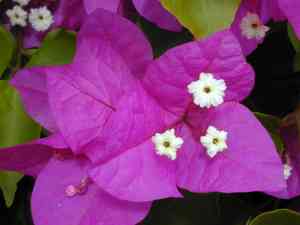
In summary, mt. hood pussypaws is a resilient mountain succulent recognized for its grouped foliage and vivid blossoms. Remove deceased or injured parts at any time to stimulate fresh development. Regular removal of faded blooms improves the plant's strength and visual attractiveness. Year-round trimming suits its sturdy character, fostering thick, thriving growth. Pruning advantages encompass warding off ailments, revitalization, and preserving the form of this decorative variety. Employ sanitized, keen implements to avert contamination, and trim sparingly to prevent strain.
What Are the Benefits of Pruning Mt. Hood Pussypaws?
What Are the Benefits of Pruning Mt. Hood Pussypaws?
Trimming mt. hood pussypaws promotes more abundant flowering cycles, supports robust development for resilience, and maintains a neat shape, limiting excessive spread.
What Is the Best Time for Pruning Mt. Hood Pussypaws?
What Is the Best Time for Pruning Mt. Hood Pussypaws?
Pruning or trimming mt. hood pussypaws in spring coincides with the start of its active growth phase, enabling the plant to recover and generate new growth more effectively. Spring pruning also aids in shaping the plant, removing any winter damage, and stimulating fresh growth that will thrive in the upcoming growing season. Late autumn is also an ideal period for pruning mt. hood pussypaws as the plant enters dormancy, and pruning at this time can help prevent potential disease or pest infestations during the colder months. Furthermore, removing dead or damaged growth before winter can help ensure mt. hood pussypaws has a healthy start in the subsequent growing season. Pruning outside these periods can be considered but should be done cautiously, as it might disrupt the plant's natural growth cycle and, if performed during flowering or fruiting, could diminish the plant's display or yield. Adhering to these seasonal guidelines for pruning will contribute to the overall health and appearance of mt. hood pussypaws.
What Tools Do I Need to Prune Mt. Hood Pussypaws?
Bypass Pruners
Perfect for making clean cuts on mt. hood pussypaws's green or semi-woody stems, bypass pruners inflict less harm to plant tissue, encouraging healthier growth.
Gardening Scissors
Suitable for precise trimming of mt. hood pussypaws's delicate leaves and removal of spent blooms, ensuring minimal damage to nearby stems and foliage.
Gloves
When pruning mt. hood pussypaws, protective gloves can prevent potential skin irritation from handling the plant or cuts from sharp tools.
Rubbing Alcohol or Disinfectant
Before and after pruning mt. hood pussypaws, cleaning tools with alcohol or disinfectant prevents the spread of diseases between plants.
How to Prune Mt. Hood Pussypaws
Prepare tools
Sanitize your pruning tools with an alcohol or bleach solution to prevent disease transmission while trimming mt. hood pussypaws.
Remove diseased parts
Carefully cut off any diseased leaves and branches, making clean cuts close to the main stem to avoid leaving stubs that could harbor pests or disease.
Remove dead material
Prune any dead branches and withered leaves by cutting them at their origin point to promote healthy growth and air circulation within mt. hood pussypaws.
Prune withered flowers
Clip off faded flowers just above the nearest set of healthy leaves to encourage mt. hood pussypaws to produce new blooms.
Clean up
Gather and dispose of all pruned material away from mt. hood pussypaws to prevent rot and deter pests.
Common Pruning Mistakes with Mt. Hood Pussypaws
Overzealous Pruning
Cutting too much can shock mt. hood pussypaws and may lead to reduced flowering or even plant death. Avoid heavy pruning.
Incorrect Cuts
Making jagged or torn cuts can expose mt. hood pussypaws to disease and pests. Clean, sharp cuts are essential.
Disregarding Plant Shape
Mt. hood pussypaws has a natural cushion-like form; excessive shaping can spoil its natural appearance and hinder its growth.
Pruning for Size Reduction
Attempting to significantly reduce the size of mt. hood pussypaws through pruning may be detrimental to its health. Instead, respect mt. hood pussypaws's natural growth habit.
Neglecting Tool Hygiene
Not sanitizing pruning tools can spread diseases to mt. hood pussypaws from infected plants. Always use clean, disinfected tools.
Common Pruning Tips for Mt. Hood Pussypaws
Selective Pruning
Remove only dead or dying flowers and foliage to encourage new growth on mt. hood pussypaws. Focus on maintaining plant health rather than size or shape.
Timing of Pruning
Use knowledgeable sources to determine the optimal pruning times and follow a schedule to ensure the well-being of mt. hood pussypaws.
Understanding Growth Patterns
Recognize that mt. hood pussypaws may have a specific growth pattern that dictates how it should be pruned for optimal health and bloom.
Use of Proper Tools
Employ the correct tools, such as sharp bypass pruners, for making precise cuts on mt. hood pussypaws, preventing damage to the plant's delicate tissues.
Post-Pruning Care
Provide mt. hood pussypaws with appropriate aftercare following pruning, such as adequate water, to recover and thrive.



