How to Prune Desert pussypaws?
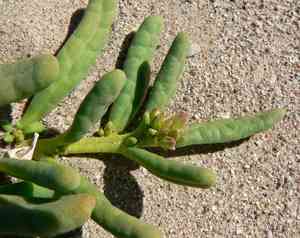
Desert pussypaws, recognized for its vivid flowers and fleshy foliage, flourishes in dry environments. Perform trimming in early spring or late winter to eliminate deceased or injured stalks, fostering more robust development. Cut back elongated growth to stimulate a denser form. Consistent trimming improves air movement, lowering the chance of illness. Pruning additionally revitalizes the plant, leading to more abundant blossoming. Verify that implements are sanitized to avert contamination.
What Are the Benefits of Pruning Desert Pussypaws?
What Are the Benefits of Pruning Desert Pussypaws?
Desert pussypaws thrives with trimming, leading to more vigorous growth and a desired form. This practice promotes healthier development, manages size, enhances appearance, and boosts resistance to pests and diseases. Regular trimming ensures desert pussypaws flourishes in home gardens.
What Is the Best Time for Pruning Desert Pussypaws?
What Is the Best Time for Pruning Desert Pussypaws?
Trimming desert pussypaws in early spring or late winter is optimal, as these periods precede the plant's most active growth phase. Pruning at these times encourages robust new growth post-dormancy, improves the plant's capacity to produce abundant blooms, and lowers disease risk. Furthermore, trimming desert pussypaws during these cooler months minimizes plant stress, thereby supporting its overall health and longevity.
What Tools Do I Need to Prune Desert Pussypaws?
Bypass Pruners
Bypass pruners are crucial for making neat, precise cuts on stems without crushing plant tissue. This is vital for desert pussypaws, as its stems are delicate and easily harmed by dull or unsuitable tools.
Pruning Shears
Pruning shears are effective for cutting back overgrown or dead stems. For desert pussypaws, they help maintain shape and foster healthy growth.
Hand Pruning Saw
A hand pruning saw can be useful for cutting through thicker, woody stems that may develop in older plants. This tool ensures you can manage the plant's structure efficiently.
Sterilizing Agents
Before pruning, use sterilizing agents like rubbing alcohol to clean your tools. This prevents disease spread, which is essential for maintaining desert pussypaws' health.
Protective Gloves
Wearing protective gloves while pruning desert pussypaws is important to prevent skin irritation and to safely handle thorny or rough stems.
How to Prune Desert Pussypaws
Assess
Examine desert pussypaws to identify and locate diseased or withered leaves that require removal. Ensure correct identification to avoid cutting healthy parts.
Tools
Use sterilized, sharp pruning shears to prevent disease transmission and to make clean cuts. Disinfect shears before and after use.
Cut
Remove diseased leaves by cutting them at the base of the leaf stem. For withered leaves, trace back to healthy tissue and make the cut.
Dispose
Collect and properly discard all trimmed leaves to prevent potential disease spread to other plants.
Inspect
After pruning, inspect desert pussypaws for any missed diseased or withered leaves and ensure overall plant health is maintained.
Common Pruning Mistakes with Desert Pussypaws
Over-pruning
Removing too much foliage can stress desert pussypaws, potentially leading to weaker growth or stunted development.
Improper Technique
Using dull or inappropriate tools can cause ragged cuts, making the plant susceptible to diseases.
Pruning at Incorrect Points
Cutting too close to the main stem or leaving long stubs can hinder new growth and reduce flowering potential.
Ignoring Plant Health
Pruning healthy growth while ignoring damaged or diseased parts can prevent the improvement of the plantâs overall health.
Common Pruning Tips for Desert Pussypaws
Use Sharp, Clean Tools
Always use sharp, sterilized pruning tools to make clean cuts and reduce the risk of infection.
Prune Dead or Diseased Growth
Focus on removing dead or diseased branches first to promote the plant's overall health.
Minimal Pruning
Prune sparingly, only removing the necessary parts to maintain the plant's shape and encourage better air circulation.
Cut at Appropriate Angles
Make cuts at a slight angle to allow water to run off, preventing water from settling and causing rot.
Encourage Air Circulation
Thin out overcrowded areas to promote good air circulation, which helps prevent fungal diseases.


