How to Prune Possum grape?
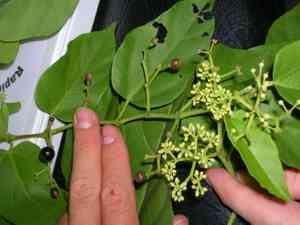
This trailing or sprawling plant exhibits fleshy stalks and foliage resembling grape leaves. For Cissus hypoglauca, the ideal period for trimming is in late winter or early spring to stimulate fresh development and preserve its form. Essential methods involve reducing dense stems and eliminating withered or compromised leaves. Trimming can improve air circulation, lower the chance of illness, and foster abundant fruit production. Cultivators ought to employ sanitized, sharp implements for accurate incisions to avert plant strain.
Advantages of Trimming Possum Grape
Advantages of Trimming Possum Grape
Trimming possum grape promotes robust development and helps keep its desired form. It eliminates old or overgrown limbs, enhancing air circulation and light penetration, crucial for the well-being and yield of possum grape.
Optimal Time for Trimming Possum Grape
Optimal Time for Trimming Possum Grape
Trimming possum grape in late winter or early spring aligns with its dormant phase, just before new growth begins. During this period, possum grape has typically finished its flowering and fruiting, and the absence of leaves allows for better visibility of its structure. This timing also supports quick healing of cuts and minimizes stress on possum grape, leading to more vigorous growth once the season starts. Furthermore, pruning before sap flow in spring helps prevent diseases and pest infestations at cut sites.
Tools Required for Trimming Possum Grape
Hand Pruners
Essential for making accurate cuts on slender stems and branches of possum grape. They are perfect for shaping and trimming the vine without causing unnecessary harm to the plant.
Loppers
Ideal for cutting through thicker branches of possum grape that hand pruners cannot manage. Loppers offer greater leverage and reach, simplifying the pruning of hard-to-access vine parts.
Pruning Saw
Useful for any branches too thick for loppers. A pruning saw enables the removal of larger limbs without damaging the main structure of possum grape.
Gloves
Hand protection during possum grape pruning is important to prevent scratches and irritation from the vine's surface.
Garden Shears
Suitable for snipping off dead or yellow leaves and shaping the foliage of possum grape for a tidier look. They are not for larger branches but perfect for light trimming tasks.
How to Trim Possum Grape
Clean
Sanitize pruning tools with rubbing alcohol or a bleach solution to prevent disease spread when trimming possum grape.
Identify
Examine possum grape for diseased and withered leaves. Look for discoloration, spots, or signs of wilting that indicate removal is needed.
Remove Diseased Leaves
Carefully cut off diseased leaves from possum grape at the base of their stems using sharp scissors or pruning shears, being careful not to harm healthy tissue.
Remove Withered Leaves
Similarly, prune withered leaves, cutting them at the stem's base to encourage healthy growth and air circulation in possum grape.
Dispose
Discard removed diseased and withered leaves away from healthy plants to prevent contamination or the spread of potential pathogens.
Common Trimming Errors with Possum Grape
Excessive Trimming
Removing too much foliage or stems at once can stress possum grape, hindering its growth. It is important not to cut back more than a third of the plant in a single session.
Poor Cut Location
Cutting too far from a growth node or leaving a large stem stub can prevent proper healing and may lead to disease entry. Make cuts close but not directly against the growth nodes.
Inadequate Tools
Using dull or dirty pruning shears can damage possum grape's stems and make the plant vulnerable to infections. Always use sharp, clean tools while pruning.
Ignoring Health
Failing to remove dead or diseased foliage and branches might lead to a spread of pests or diseases. Stay vigilant and remove unhealthy parts when noticed.
Neglecting Shape
Without considering the natural growth habit, pruning may result in an unnatural shape for possum grape. Aim to maintain its inherent form for best aesthetic and health outcomes.
Improper Thinning
Thinning out too many inner branches may reduce airflow and sunlight penetration, negatively impacting possum grape's vigor. Light thinning is preferable to allow the plant to breathe and thrive.
General Trimming Advice for Possum Grape
Sharp Cuts
Making clean, precise cuts helps prevent damage and disease. Ensure pruning tools are sharp for making clean snips without crushing the tissue.
Growth Promotion
Focus on cutting back overgrown stems and branches to promote air circulation and new growth. Redirect the vigor of possum grape by pruning back more vigorous parts.
Disease Management
Regularly inspect and promptly remove any dead, diseased, or damaged parts to maintain the overall health of possum grape and prevent disease spread.
Foliage Balance
Ensure a balance of foliage throughout possum grape to maintain stability and adequate light exposure to all parts of the plant.
Gradual Pruning
For overgrown specimens, spread the pruning process over multiple seasons to avoid stressing possum grape. Gradual reduction is key to successful plant health management.
Node Pruning
When pruning, make cuts just above leaf nodes or branches to stimulate healthy new growth in the desired direction.



