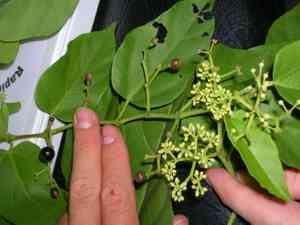
Possum grape (Cissus verticillata)
Also known as: Princess-vine, Waterwhite treebine
The plant you're describing is the **agave**, native to Mexico. Its coiled tendrils are known for climbing and enveloping trees. Besides its ornamental appeal, agave is cultivated for its fibers, which are used in various products, as well as for making soap and traditional medicinal uses.
In This Article
Attributes of Possum grape
Lifespan
Perennial
Plant Type
Vine, Shrub
Plant Height
6 m to 10 m
Spread
Variable, can spread widely depending on support
Leaf Color
Glossy green
Flower Size
2.5 cm
Flower Color
Green Yellow Red
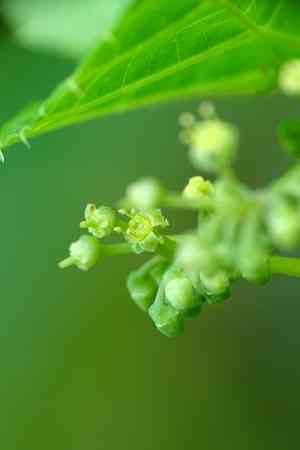
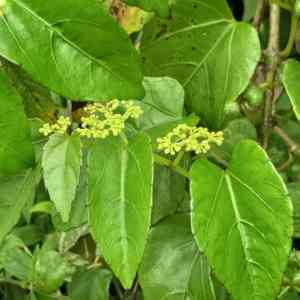
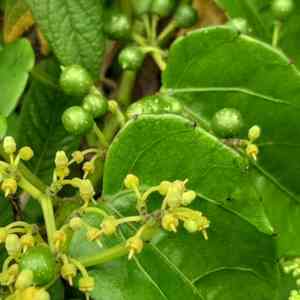
Images of Possum grape
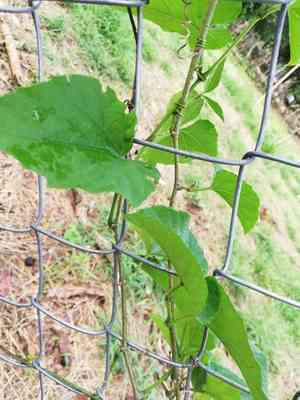
Quickly Identify Possum grape
1
Identify Cissus verticillata by its long, tendril-bearing vines, shiny green leaves which are typically palmate (segmented into lobes) and its small, inconspicuous flowers grouped in clusters called umbels. The stems are often covered in a whitish powder.
Scientific Classification of Possum grape
Phylum
Vascular plants
Class
Dicotyledons
Order
Vitales
Family
Grape
Genus
Treebine
Species
Possum grape
Planting and Growing of Possum grape
Care Difficulty
Easy
Watering Schedule
Every 4 days
Sunlight Requirements
Partial sun
Sunshine Duration
4-8 hours
Ideal Temperature
65-77℉
Soil Type
Potting Mix, Peat Mix
Soil pH
6-7.5
Fertilizer Type
Balanced
Pruning Season
Spring, Summer
Pruning Area
Branches, Leaves
Pruning Frequency
2 times a year
Repotting Season
Spring
Pot Type
Plastic, Ceramic
 How to Water Possum grape?
Cissus verticillata prefers a moderate amount of water, ideally around 250 milliliters per watering session. When watering, ensure the soil is evenly moist but not soggy, allowing the top inch of soil to dry out slightly between waterings.
What are the symptoms of an underwatered Possum grape?
›
What should I do if my Possum grape is not getting enough water?
›
What are the symptoms of an overwatered Possum grape?
›
How to save an overwatered Possum grape?
›
 What Are the Sunlight Requirements for Possum grape?
Cissus verticillata thrives in partial sun to full shade, offering versatility in placement. Ideal light conditions foster strong, vibrant foliage, bolster photosynthesis, and enhance overall resilience against pests and diseases.
More About Sunlight Requirements Techniques→
What is the best location for Cissus verticillata?
›
Is artificial light beneficial for Cissus verticillata?
›
How can I ensure optimal light exposure?
›
 What Is the Ideal Temperature Range for Possum grape?
The ideal temperature range for Cissus verticillata is between 65°F and 77°F. This assures a conducive environment for photosynthesis and growth. Consistency within this range helps maintain the health and vigor of the plant, facilitating better growth and foliage development.
 What Soil is Best for Possum grape?
Cissus verticillata thrives in well-draining soil to prevent root rot. Ensuring good drainage helps the roots stay healthy by avoiding waterlogged conditions, promoting vigorous growth and vibrant foliage. This plant benefits from soil rich in organic matter. A nutrient-dense substrate provides essential minerals and nutrients, which foster robust growth and resilience against pests and diseases. While drainage is crucial, the soil should retain some moisture to support steady hydration without over-saturation. This balance helps in maintaining prolonged nutrient availability and encourages consistent growth patterns.
 How to Fertilize Possum grape?
For Cissus verticillata, it's best to use a balanced liquid fertilizer diluted to half strength. Apply approximately 200 ml of the diluted mixture per plant each session. For slow-release fertilizers, use around 50 grams, distributed evenly over the soil surface.
 How to Prune Possum grape?
Start by identifying stems and branches that are overgrown. Focus on cutting back any that are extending too far from the main body of the plant to maintain its desired shape. When making cuts, do so at a slight angle just above a node. This encourages new growth and prevents water from pooling on the cut surface, reducing the risk of rot. Carefully examine your Cissus verticillata and remove any dead or diseased leaves and stems. This improves airflow and light penetration, preventing the spread of disease.
More About Pruning Techniques→
 How to Propagate Possum grape plant?
1
Choose healthy, green, and semi-woody stems from the mother plant. Ensure each cutting is about 6 to 8 inches long, with at least two to three nodes that can develop into new growth points.
2
Remove any leaves from the lower half of the cutting to prevent rotting when placed in soil. Dip the cut end into rooting hormone, which helps stimulate root growth, before planting it in a medium.
3
Place the cuttings into a well-draining potting mix. Ensure at least one node is buried under the soil, which will allow roots to form. Maintain the soil's moisture but avoid over-watering, which can lead to rot.
 How to Repot Possum grape plant?
1
Cissus verticillata usually needs repotting when the roots begin to emerge from the drainage holes of its current pot. This indicates that the plant has outgrown its current home and needs a larger pot to thrive. These signs typically appear after one or two growing seasons.
2
Choose a pot that is one size larger than the existing one and ensures excellent drainage. A pot made of breathable material like terracotta is ideal, as it allows for optimal airflow, preventing root rot by keeping excess moisture away.
3
Select a soil that provides excellent drainage, like a cactus or succulent potting mix. These soils facilitate proper moisture retention without causing waterlogging, ensuring that the roots receive adequate air and remain healthy.
Toxicity
Ingestion of leaves and stems.
WARNING
The judgment on toxicity and danger is for reference only. We DO NOT GUARANTEE any accuracy of such judgment. Therefore, you SHALL NOT rely on such judgment. It is IMPORTANT TO SEEK PROFESSIONAL ADVICE in advance when necessary.
Learn More About Possum grape Diseases
Anthracnose
Bacterial Leaf Spot
Bacterial Soft Rot
Bacterial Wilt
Black Spot
Chemical Injury
Crown Gall
Damping-off
Downy Mildew
Drought Stress
Fusarium Wilt
Gray Mold
Leaf Curl
Leaf Spot
Mosaic
Nutrient Deficiency
Nutrient Toxicity
Powdery Mildew
Root Rot
Root-knot Nematode
Sooty Mold
Spider Mites
Temperature Stress
Thrips Damage
White Mold



