How to Prune Sorrelvine?
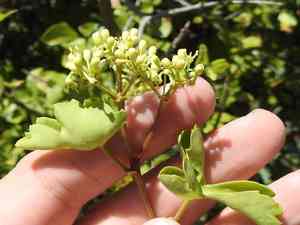
Sorrelvine, a perennial that either climbs or spreads, frequently needs trimming to preserve its form and stimulate more robust development. For sorrelvine, it is crucial to selectively remove overly long runners and any dead or ailing leaves. The ideal period for pruning extends from the beginning of spring through the end of summer, aligning with its active growth cycles. Trimming at this time encourages strong new growth and avoids stressing the plant. Consistent pruning also enhances air movement and light exposure, which are vital for sorrelvine's health and flower production.
What Are the Benefits of Pruning Sorrelvine?
What Are the Benefits of Pruning Sorrelvine?
Trimming sorrelvine is crucial for fostering robust growth and maintaining its desired form. By eliminating overgrown or damaged foliage, sorrelvine will experience enhanced air circulation, improved sunlight exposure, and stimulated new, healthier development. Regular trimming ensures sorrelvine remains visually appealing and contained within its designated area.
What Is the Best Time for Pruning Sorrelvine?
What Is the Best Time for Pruning Sorrelvine?
Trimming sorrelvine in early spring coincides with the start of its active growth phase after winter dormancy. Pruning at this time encourages new growth, shapes the plant, and ensures vitality. Late summer pruning should be done carefully and ideally before autumn to prevent new shoots that might not endure colder temperatures. This timing allows for recovery and reduces stress while sorrelvine is still actively growing, promoting strong health and preparing it for its next flowering or fruiting cycle.
What Tools Do I Need to Prune Sorrelvine?
Hand Pruners
Hand pruners, also known as secateurs, are perfect for making clean cuts on sorrelvine's smaller stems and branches. The bypass type, in particular, is recommended for its scissor-like action, which aids in healthier plant recovery.
Pruning Saw
For larger stems and branches that hand pruners cannot manage, a pruning saw is essential. The saw enables the gardener to make precise cuts without harming sorrelvine's thicker growth.
Loppers
Loppers are useful for branches too thick for hand pruners but not requiring a saw. They offer extended reach and greater leverage for sorrelvine, making the pruning task easier on the gardener's hands.
Gardening Gloves
To guard against any potential skin irritants in sorrelvine's sap or foliage, gardening gloves are vital. They also provide protection from thorns or sharp edges during the pruning process.
Sharpening Tool
Keeping all cutting tools sharp ensures that every cut is clean and precise, which is healthier for sorrelvine and less strenuous for the gardener. A sharpening tool is thus crucial for ongoing pruning tool maintenance.
How to Prune Sorrelvine
Step1: Assess Plant Health
Evaluate the overall health of sorrelvine before trimming. Specifically look for parts needing removal: unhealthy leaves, withered stems, and any diseased sections.
Step2: Sanitize Pruning Tools
Disinfect your pruning tools before beginning to prevent disease spread. Use a solution of one part bleach to nine parts water to clean your shears.
Step3: Prune Unhealthy Leaves
Begin by removing any unhealthy leaves. Make cuts at the base of the leaf stem, close to the main vine to avoid unnecessary stubs that can attract pests or disease.
Step4: Trim Withered Stems
Identify withered stems on sorrelvine. These are shriveled, brown, and dry stems. Cut them back to a healthy part of the vine using a 45-degree angle cut just above a leaf node.
Step5: Remove Diseased Sections
Inspect sorrelvine for any diseased areas. Look for unusual spots, rot, or growths. Isolate and remove these parts promptly to prevent further disease spread.
Step6: Cut Beyond Infection Zone
When removing diseased parts, ensure to cut well into the healthy tissue, about 2-3 inches past the affected area, to eliminate all traces of the infection.
Step7: Dispose of Infected Material Safely
Dispose of the diseased material immediately in a sealed bag or by burning, if appropriate, to avoid contaminating healthy plants or the soil.
Step8: Clean Tools Post-Pruning
After finishing the pruning, clean your tools again with the disinfectant solution to prevent carrying any potential disease to other plants.
Step9: Water Plant After Pruning
Water sorrelvine appropriately after pruning to reduce plant stress and encourage healing and new growth.
Step10: Monitor Plant's Recovery
Observe sorrelvine after pruning for signs of new growth or any recurring health issues. Effective monitoring will ensure the vine remains vigorous and healthy.
Post-Pruning Care for Sorrelvine
Post-Pruning Care for Sorrelvine
Immediately after trimming sorrelvine, ensure it's lightly watered to reduce stress. Place sorrelvine in an environment with indirect sunlight, maintaining moderate humidity and a temperature range suitable for healing (around 65-75°F). Resume fertilization with a balanced liquid fertilizer after two weeks to support regrowth, applying it every 4-6 weeks. Monitor sorrelvine for wilted leaves or discoloration, signs of stress or infection. In such cases, adjust care and consult a horticulturist if conditions persist. Regular observation will aid in a healthy recovery.
Common Pruning Mistakes with Sorrelvine
Over-pruning causes stress and potential dieback
Trimming too much at once can stress sorrelvine, potentially leading to reduced vigor or dieback. Removing more than one-third of the plant in a single pruning session should be avoided.
Improper cuts on old wood prevent new growth
Cutting into old wood may not stimulate new growth on sorrelvine as it does not readily produce new shoots from old stems. It is important to identify the type of wood that can tolerate pruning.
Jagged cuts and stubs invite pests and diseases
Leaving stubs or making jagged cuts can create entry points for pests and diseases. Clean cuts close to a bud or branching point help prevent damage and encourage proper healing.
Neglecting diseased areas impairs plant health
Ignoring diseased or damaged areas during pruning can affect the overall health of sorrelvine. It is crucial to remove these parts to maintain plant vigor and prevent the spread of disease.
Unsterilized tools spread disease in plants
Not using sterilized pruning tools can transmit diseases from infected plants to healthy ones. Disinfecting tools before and after use is essential when cultivating sorrelvine.
Common Pruning Tips for Sorrelvine
Angled cuts above nodes for healthy growth
Make angled cuts just above leaf nodes or lateral branches to promote healthy new growth while ensuring water does not accumulate on the cut surfaces, which can lead to rot.
Thinning for better air flow and light exposure
Thin out dense growth to improve air circulation and light penetration, which are important for the vitality of sorrelvine and for preventing fungal diseases.
Remove dead stems to maintain health and look
Regularly inspect sorrelvine for dead, diseased, or damaged stems, and remove these promptly to maintain plant health and appearance.
Respect natural shape when pruning for aesthetics
When shaping sorrelvine, prioritize the natural form of the plant. Overly aggressive shaping can result in an unnatural appearance and may harm the plant's growth pattern.
Pinching shoots encourages bushier growth
Encourage bushier growth by pinching or lightly pruning the tips of young shoots during the active growing season. This will stimulate sorrelvine to produce more lateral branches.



