How to Prune Indian chrysanthemum?
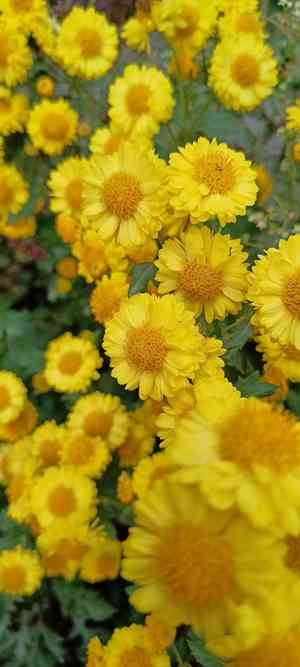
A perennial plant valued for its vivid blossoms and therapeutic attributes. For indian chrysanthemum, consistently remove spent or withered blooms to stimulate continuous flowering and preserve a dense form. The most opportune period for significant trimming is in early spring and following the flowering phase, to invigorate new growth. Removing spent flowers during summer contributes to a neat look and robust progress. Trimming indian chrysanthemum guarantees strong development, potentially improving bloom quality and prolonging the flowering season while diminishing disease susceptibility by enhancing air circulation.
What Are the Benefits of Pruning Indian Chrysanthemum?
What Are the Benefits of Pruning Indian Chrysanthemum?
Trimming indian chrysanthemum promotes abundant blooms, encourages vigorous development, and preserves its desired form, meeting both aesthetic and horticultural goals.
What Is the Best Time for Pruning Indian Chrysanthemum?
What Is the Best Time for Pruning Indian Chrysanthemum?
Spring pruning allows indian chrysanthemum to direct energy into new growth after removing old or dead parts. Early summer pruning shapes the plant and improves air flow, boosting health and overall bloom quality. Late fall pruning prepares indian chrysanthemum for dormancy and protects against winter damage.
What Tools Do I Need to Prune Indian Chrysanthemum?
Hand Pruners
Perfect for cutting stems up to 3/4 inches thick, hand pruners or secateurs are ideal for deadheading and shaping indian chrysanthemum without harming the stems.
Pruning Shears
These are suitable for trimming and shaping the bushier growth of indian chrysanthemum, making it easy to maintain the desired size and encourage more abundant flowers.
Gloves
Wearing gloves while pruning indian chrysanthemum helps protect a gardener's hands from thorns and sap, which can cause skin irritation.
How to Prune Indian Chrysanthemum
Disinfect Tools
Before beginning the pruning process, ensure all cutting tools are clean and sanitized to prevent the spread of disease to indian chrysanthemum.
Remove Diseased
Carefully inspect indian chrysanthemum for any diseased leaves. Use your pruning shears to cut away any infected foliage, cutting back to healthy tissue to remove the entire affected area.
Remove Withered Leaves
Identify and remove withered leaves from indian chrysanthemum, which can be done by pinching them off with your fingers or using scissors. This helps direct the plant's energy toward new growth.
Deadhead Flowers
Deadhead withered flowers on indian chrysanthemum by cutting them back to the next bud or leaf node. This promotes further blooming and maintains a tidy appearance.
Clean Up
After pruning, clean up any removed material from the base of indian chrysanthemum to discourage pests and diseases. Dispose of diseased material separately to avoid contamination.
Common Pruning Mistakes with Indian Chrysanthemum
Overpruning
Removing too much foliage or too many stems at once can stress indian chrysanthemum, reducing its vitality and bloom potential.
Blunt Tools
Using dull or unclean pruning tools can damage the stems of indian chrysanthemum, leading to an increased risk of disease.
Improper Technique
Cutting too close or too far from the node can either harm the parent plant or leave unnecessary stubs that can rot.
Ignoring Plant Shape
Pruning without considering the natural shape of indian chrysanthemum can result in an undesirable aesthetic and potentially harm the plantâs growth.
Snipping Randomly
Random, non-strategic cuts can lead to poor air circulation and light penetration, crucial factors for indian chrysanthemumâs health and flowering.
Common Pruning Tips for Indian Chrysanthemum
Selective Thinning
Remove only the necessary stems to encourage better air circulation and light exposure for indian chrysanthemum, promoting healthy growth.
Clean Cuts
Make angled cuts just above a leaf node or bud to facilitate water runoff and prevent disease in indian chrysanthemum.
Disinfect Tools
Clean and disinfect pruning tools before and after use to prevent spreading pathogens to or from indian chrysanthemum.
Regular Maintenance
Check indian chrysanthemum regularly for dead or diseased stems and remove these promptly to maintain plant vigor and appearance.
Post-Bloom Care
After flowering, trim back indian chrysanthemum to help direct energy to root and vegetative growth, preparing it for the next blooming cycle.



