How to Prune Rush skeletonweed?
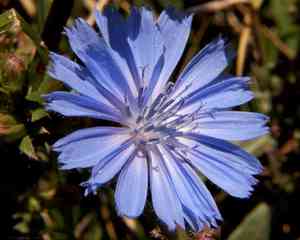
Rush skeletonweed, a persistent herbaceous plant, is characterized by its slender stalks and extensive taproot system. To prevent the spread of seeds, trim rush skeletonweed during the spring or summer prior to its blooming period. Successful methods involve severing or mowing near the soil surface to diminish the root's stored energy. Consistent trimming can restrict its spread and assist in management strategies. Complete eradication of all plant sections is vital, as rush skeletonweed possesses the ability to regrow from root fragments.
Advantages of Trimming Rush Skeletonweed
Advantages of Trimming Rush Skeletonweed
Trimming rush skeletonweed promotes more vigorous development and assists in maintaining a manageable form. This targeted removal of parts enables rush skeletonweed to channel energy into healthier shoots, leading to robust growth and an attractive appearance.
Optimal Period for Trimming Rush Skeletonweed
Optimal Period for Trimming Rush Skeletonweed
Late spring and early summer are the best times for trimming rush skeletonweed due to several factors related to its growth cycle and physiological needs. During late spring, rush skeletonweed has typically depleted its stored energy in root reserves for initiating new growth, making it less resilient to trimming stress. This timing prevents excessive sap loss, which can be more pronounced in late winter or early spring when the plant is beginning to actively grow. Trimming at this time allows for the removal of any frost damage from the winter and sets the stage for healthy growth throughout the growing season. Early summer trimming, right after the initial growth spurt, is also optimal because it allows gardeners to shape the plant and control its size before it invests too much energy into areas that will be removed. Furthermore, this timing reduces the risk of disrupting rush skeletonweed's flowering and seed production, as it generally occurs later in the summer or early fall. Removing parts of the plant before these processes means there's minimal impact on the plantâs reproductive cycle. By adhering to these guidelines, gardeners can help ensure rush skeletonweed maintains vigor and health, with an aesthetically pleasing shape and limited spread of growth.
Tools Required for Trimming Rush Skeletonweed
Hand Pruners or Secateurs
These are perfect for cutting slender stems and can provide clean cuts without harming the plant rush skeletonweed. They should be sharp to ensure easy cutting and to lessen the chance of disease.
Loppers
For thicker, woodier stems that hand pruners cannot manage, loppers offer longer handles and greater leverage, making it easier to trim rush skeletonweed without exerting too much effort.
Pruning Saw
When rush skeletonweed has matured and developed thicker branches that neither hand pruners nor loppers can handle, a pruning saw with fine teeth is the recommended tool for making clean cuts.
How to Trim Rush Skeletonweed
Locate affected areas
Inspect rush skeletonweed to find diseased or withered leaves and affected stems. Look for any discolored, spotted, or visibly damaged plant tissue.
Sanitize tools
Sanitize trimming tools before and after use to prevent the spread of disease. Use alcohol or a bleach solution to clean the blades.
Trim leaves
Gently trim away diseased and withered leaves at their base, being careful not to harm healthy parts of rush skeletonweed. Use sharp, precise tools like pruning shears for a clean cut.
Trim stems
Cut diseased stems back to healthy tissue, ensuring the cut is just above a leaf node or bud to encourage healthy regrowth. If the entire stem is affected, remove it completely at the base.
Discard
Properly discard all removed diseased and withered plant material away from rush skeletonweed to prevent reinfection or spread. Do not compost diseased plant parts.
Common Trimming Errors with Rush Skeletonweed
Excessive Trimming
Removing too much foliage from rush skeletonweed at once can stress the plant, impede its growth, and reduce its vitality. This is particularly harmful as rush skeletonweed has a fine structure.
Incorrect Tools
Using dull or unclean trimming tools on rush skeletonweed can cause jagged cuts that are more susceptible to disease and pest infestations. Properly maintained, sharp tools make cleaner cuts that heal faster.
Tearing Stems
When attempting to break or twist off stems instead of cutting them, gardeners might cause unnecessary damage to rush skeletonweed. Clean cuts are essential for the plant's health.
Wrong Trimming Method
Using a shearing method instead of selective thinning can result in dense outer growth that hinders light and air penetration, affecting rush skeletonweed's overall wellbeing.
Trimming Without a Strategy
Trimming rush skeletonweed without understanding its growth pattern or desired shape can lead to a weakened structure and poor aesthetic form.
Neglecting to Remove Dead Material
Failing to remove dead or diseased material from rush skeletonweed can inhibit new growth and leave the plant vulnerable to further disease and pest problems.
General Trimming Advice for Rush Skeletonweed
Selective Thinning
Utilize selective thinning to maintain the open, airy structure of rush skeletonweed, focusing on removing only the unnecessary or overgrown stems without altering the natural shape.
Sharp, Clean Cuts
Ensure you use sterilized, sharp pruning shears to make precise cuts on rush skeletonweed, which will help prevent disease transmission and aid in quicker recovery.
Regular Upkeep
Regularly inspect rush skeletonweed for dead, damaged, or diseased stems and remove them promptly to maintain plant health and prevent further issues.
Promoting Air Flow
When trimming rush skeletonweed, aim to create enough space between the branches to enhance air circulation, which will reduce the risk of fungal diseases.
Cut at the Correct Spot
When cutting back stems on rush skeletonweed, make the cut just above a leaf node or branching point to encourage healthy new growth.
Trimming for Vitality
Lightly trim rush skeletonweed to maintain its vitality and encourage new blooms, taking care not to remove too much of the new growth which can reduce blooming potential.



