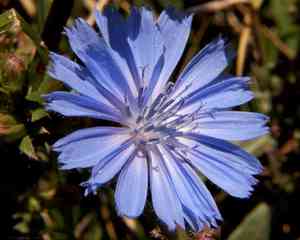
Rush skeletonweed (Chondrilla juncea)
Also known as: Devil's grass, Skeleton weed, Naked weed
The plant in question is likely Rush Skeletonweed (Chondrilla juncea). Its name comes from its sparse stalks that have very few leaves, making it look skeletal. Belonging to the daisy family, it produces small, daisy-like yellow flowers. It is regarded as a noxious weed in numerous regions.
In This Article
Attributes of Rush skeletonweed
Lifespan
Perennial, Biennial
Plant Type
Herb
Plant Height
1 m
Spread
N/A
Leaf Color
Green
Flower Size
1 cm to 2 cm
Flower Color
White
Images of Rush skeletonweed
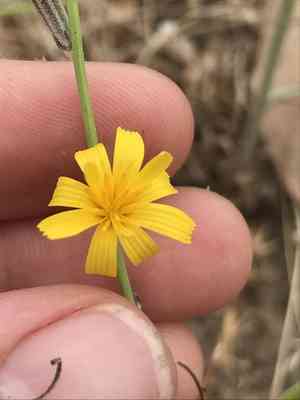
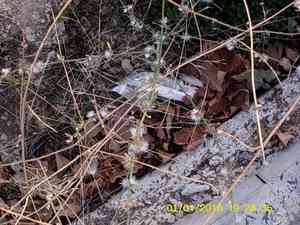
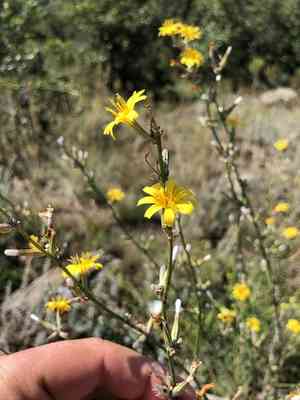
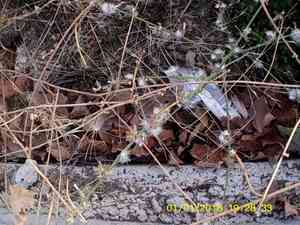
Quickly Identify Rush skeletonweed
1
Look for its deeply lobed basal leaves resembling dandelion leaves and slender, nearly leafless stems. The yellow flowers are another identifying characteristic.
Scientific Classification of Rush skeletonweed
Phylum
Vascular plants
Class
Dicotyledons
Order
Asterales
Family
Daisy
Genus
Chondrilla
Species
Rush skeletonweed
Planting and Growing of Rush skeletonweed
Care Difficulty
Easy
Watering Schedule
Every 2 days
Sunlight Requirements
Full sun
Sunshine Duration
4-8 hours
Ideal Temperature
68-77℉
Soil Type
Potting Mix, Peat Mix
Soil pH
6.5-7.5
Fertilizer Type
Balanced
Pruning Season
Spring, Summer
Pruning Area
Branches, Leaves
Pruning Frequency
2 times a year
Repotting Season
Spring
Pot Type
Plastic, Ceramic
 How to Water Rush skeletonweed?
Chondrilla juncea requires a moderate amount of water. When watering, ensure the soil is thoroughly moist but not waterlogged, which is usually around 250ml per watering session. The key is to mimic its native habitat conditions by allowing the soil to dry out between waterings.
What are the symptoms of an underwatered Rush skeletonweed?
›
What should I do if my Rush skeletonweed is not getting enough water?
›
What are the symptoms of an overwatered Rush skeletonweed?
›
How to save an overwatered Rush skeletonweed?
›
 What Are the Sunlight Requirements for Rush skeletonweed?
Chondrilla juncea thrives in full to partial sunlight, optimally requiring 6 to 8 hours of light. Proper lighting bolsters its growth and flowering, ensuring a well-developed plant structure and vibrant appearance.
More About Sunlight Requirements Techniques→
What is the optimal sunlight for Chondrilla juncea?
›
How can we ensure the plant gets ideal lighting?
›
What benefits does Chondrilla juncea gain from ideal lighting?
›
 What Is the Ideal Temperature Range for Rush skeletonweed?
The ideal temperature range for cultivating Chondrilla juncea is between 68°F and 77°F. This range provides optimal conditions for metabolism, photosynthesis, and overall growth, ensuring that the plant can thrive without stress from temperature fluctuations.
 What Soil is Best for Rush skeletonweed?
Chondrilla juncea thrives in soils with excellent drainage. Adequate drainage prevents root rot and other moisture-related diseases, ensuring robust plant growth. This plant prefers soils with moderate fertility levels. An excessive amount of nutrients can lead to uncontrolled growth and weak plant structure, whereas moderate fertility maintains balance. Chondrilla juncea can tolerate a pH range between 6.5 and 7.5. Maintaining this pH range ensures optimal nutrient availability and prevents toxicities.
 How to Fertilize Rush skeletonweed?
Chondrilla juncea, commonly known as skeletonweed, thrives with a moderate amount of fertilizer. It is advisable to stick to a balanced 10-10-10 NPK fertilizer. When applying liquid fertilizer, use about 1 tablespoon per gallon of water. For slow-release fertilizers, 2-3 pounds per 100 square feet is usually sufficient. This ensures the plant receives enough nutrients without overwhelming its growth cycles.
 How to Prune Rush skeletonweed?
Start by identifying dead or brown stems. These should be cut at the base to open up the plant for better air circulation. Cutting back dead stems promotes healthy new growth and minimizes the risk of pest infestation. Once the dead stems are removed, focus on shaping the plant. Trim back overly long stems to create a more compact form. This not only enhances the aesthetic appeal but also encourages the plant to develop a fuller, more robust structure.
More About Pruning Techniques→
 How to Propagate Rush skeletonweed plant?
1
Begin by selecting a well-draining growing medium. For seed propagation, a mix of peat and sand can be effective. Ensure the medium is sterile to prevent fungal infections.
2
Sow the seeds of Chondrilla juncea thinly and evenly on the surface of the growing medium. Cover them lightly with a thin layer of compost and gently water to avoid displacing the seeds.
3
Take cuttings from healthy parent plants, making sure each cutting has at least one node. Dip the cut end in rooting hormone before planting in a pre-moistened growing medium.
 How to Repot Rush skeletonweed plant?
1
Chondrilla juncea should be repotted when its roots start to outgrow the current pot, visible through drainage holes or if the plant looks top-heavy. Ideal repotting times are in spring or early summer, when the plant begins its active growth, ensuring that it can quickly adapt to new soil and conditions.
2
Choosing the right pot is crucial: go for a pot that's one to two inches larger than the current one with ample drainage holes. This allows room for root expansion and provides adequate drainage, preventing overwatering issues that could lead to root rot, maintaining the overall health of your plant.
3
Opt for well-draining sandy soil to match the natural environment of Chondrilla juncea. This type of soil imitates their native habitat, helps prevent root rot, and ensures efficient drainage, promoting healthy growth and avoiding waterlogging stress.



