How to Prune Chinese fringetree?
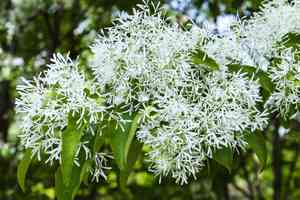
Renowned for its exquisite white blossoms and appealing bark, chinese fringetree thrives when adequately tended. Key pruning techniques involve excising deceased or compromised limbs, reducing crowded sections to enhance light exposure and air circulation, and sculpting for visual attractiveness. The most opportune period for pruning is late winter or early spring, immediately preceding the emergence of new shoots. This schedule minimizes sap leakage and stimulates robust spring development. Pruning aids chinese fringetree by fostering a more abundant flowering and preserving an appealing form.
What Are the Benefits of Pruning Chinese Fringetree?
What Are the Benefits of Pruning Chinese Fringetree?
Trimming chinese fringetree encourages robust development and maintains its desired shape. Consistent cutting fosters a strong framework, leading to a more resilient and visually appealing plant.
What Is the Best Time for Pruning Chinese Fringetree?
What Is the Best Time for Pruning Chinese Fringetree?
The optimal period to prune chinese fringetree is during late winter or early spring before new shoots emerge. At this time, the plant's dormant state minimizes stress and promotes vigorous spring growth post-pruning. Additionally, the absence of leaves provides better visibility for evaluating and making accurate cuts. Pruning after new growth begins can remove potential blooms, as chinese fringetree flowers on the previous year's wood. Avoiding pruning in late spring and summer also prevents a higher risk of disease infection, which is more prevalent in warm weather with active pathogens. Late fall pruning is not advised because cuts made then may not heal before winter, potentially leading to cold damage.
What Tools Do I Need to Prune Chinese Fringetree?
Hand Pruners
Perfect for making clean cuts on chinese fringetree's smaller branches, typically up to 1/2 inch in diameter. Ergonomic bypass pruners are recommended for their precise cuts that aid in quicker healing.
Loppers
Suitable for cutting through chinese fringetree's medium-sized branches, usually up to 1 1/2 inches thick, offering more leverage and reach than hand pruners.
Pruning Saw
Essential for chinese fringetree's larger branches exceeding 1 1/2 inches in thickness. A curved-blade pruning saw ensures clean cuts without harming the main structure.
Pole Pruner
Useful for reaching chinese fringetree's higher branches without needing a ladder, ensuring safe and efficient pruning operations.
Hedge Shears
Appropriate for shaping chinese fringetree or managing multiple small branches simultaneously, ideal for maintaining a formal look if desired.
Pruning Gloves
Crucial for protecting hands from potential cuts or scrapes when handling chinese fringetree's branches during pruning sessions.
How to Prune Chinese Fringetree
Sanitation
Disinfect pruning tools with a 10% bleach solution or rubbing alcohol to prevent disease transmission before beginning to prune chinese fringetree.
Removal Dead Branches
Carefully inspect chinese fringetree for dead branches, which are brittle and easily broken, with dark or fragile bark. Using sharp shears or a saw, cut these branches back to their origin point on a larger branch or the main trunk, ensuring a clean and smooth cut.
Removal Diseased Branches
Identify diseased branches on chinese fringetree by looking for unusual discoloration, growths, or oozing bark. Such branches should be cut back to healthy tissue, identifiable by normal-colored wood and the absence of soft or discolored areas.
Disposal
Properly dispose of dead and diseased branches by bagging them and removing them from the area to prevent any potential spread of pests or diseases.
Wound Dressing
Avoid applying wound dressing or paint to cuts on chinese fringetree, as current horticultural practices suggest it is not beneficial and could potentially harbor pathogens.
Common Pruning Mistakes with Chinese Fringetree
Over-Pruning
Removing too much of chinese fringetree's foliage can stress the plant, hinder blooming, or result in weak, leggy growth.
Improper Cuts
Making cuts too close to the trunk can lead to disease and poor healing. Conversely, leaving too large a stub can impede proper healing.
Shearing Shape
Using hedge trimmers to shear chinese fringetree into a formal shape can destroy its natural, elegant form and negatively impact flowering.
Pruning For Size
Attempting to drastically reduce the size of chinese fringetree through severe pruning is often a mistake, as this can lead to poor growth and reduced flowering.
Removing Too Many Old Branches
Stripping chinese fringetree of too many old branches at once can limit its ability to flower, as it blooms on old wood.
Common Pruning Tips for Chinese Fringetree
Selective Thinning
Remove specific branches to enhance air circulation and light penetration, which promotes healthy growth and flowering.
Maintain Natural Form
Prune to accentuate chinese fringetree's inherent shape, cutting just above outward-facing buds to guide growth.
Encourage New Growth
Prune to eliminate any dead, damaged, or crossing branches, which helps stimulate new growth and flower production.
Use Clean, Sharp Tools
Prune with clean, sharp tools to make precise cuts that heal quickly, preventing disease entry.
Health Inspection
Regularly inspect chinese fringetree and remove any signs of disease or pests to maintain plant health.



