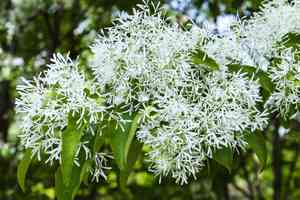
Chinese fringetree (Chionanthus retusus)
Also known as: Chinese Fringe Tree, Chinese Fringe Flower
The Chinese Fringetree (Chionanthus retusus) is a small deciduous tree native to eastern Asia. Known for its striking white, fluffy flowerheads, it is popular in Europe and North America. This tree thrives in urban environments and is highly tolerant of pollution.
In This Article
Attributes of Chinese fringetree
Lifespan
Perennial
Plant Type
Tree, Shrub
Plant Height
20 m
Spread
3 m to 6 m
Leaf Color
Green
Flower Size
2.5 cm to 5 cm
Flower Color
White
Images of Chinese fringetree
Quickly Identify Chinese fringetree
1
Snow-white, highly fragrant flowers in clustered panicles (4 inches, 10 cm)
2
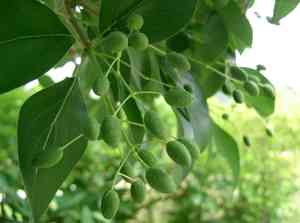
Distinctive dark blue berries (0.5 inches, 1.27 cm) on female trees
3
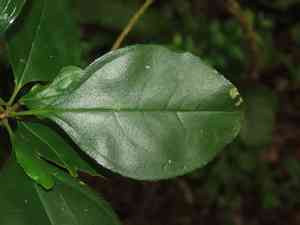
Opposite, leathery leaves (3-8 inches, 7.6-20.3 cm) with visible vein pattern
4
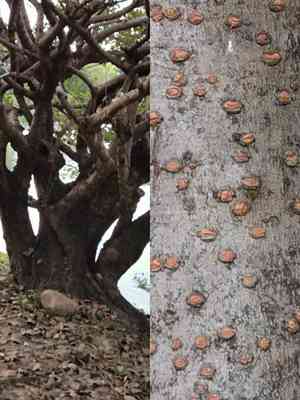
Robust trunk with decorative, exfoliating bark in shades of gray, brown, and white
5
Rounded crown of dark green leaves transitioning to golden hues in autumn
Scientific Classification of Chinese fringetree
Phylum
Vascular plants
Class
Dicotyledons
Order
Mints plantains olives and allies
Family
Olive
Genus
Fringetrees
Species
Chinese fringetree
Planting and Growing of Chinese fringetree
Care Difficulty
Easy
Watering Schedule
Every 3 days
Sunlight Requirements
Full sun
Sunshine Duration
6-10 hours
Ideal Temperature
68-77℉
Soil Type
Potting Mix, Peat Mix
Soil pH
6.5-7.5
Fertilizer Type
Balanced
Pruning Season
Spring, Summer
Pruning Area
Branches, Leaves
Pruning Frequency
2 times a year
Repotting Season
Spring
Pot Type
Plastic, Ceramic
 How to Water Chinese fringetree?
Chionanthus retusus appreciates a good soak, ensuring the soil is thoroughly moistened each time. Aim to provide around 500ml of water per session, though actual needs may vary based on environmental factors. The goal is to keep the soil consistently moist but not waterlogged, as this balance supports optimal growth.
What are the symptoms of an underwatered Chinese fringetree?
›
What should I do if my Chinese fringetree is not getting enough water?
›
What are the symptoms of an overwatered Chinese fringetree?
›
How to save an overwatered Chinese fringetree?
›
 What Are the Sunlight Requirements for Chinese fringetree?
Chionanthus retusus thrives in conditions of full sun to partial sun. Ideal light enhances flower production, improves vigor, and helps maintain lush foliage. Balanced lighting promotes optimal plant health.
More About Sunlight Requirements Techniques→
Why does Chionanthus retusus prefer full sun?
›
How to achieve ideal lighting conditions for Chionanthus retusus?
›
What benefits does Chionanthus retusus gain from ideal light?
›
 What Is the Ideal Temperature Range for Chinese fringetree?
Chionanthus retusus thrives best in temperatures ranging from 68°F to 77°F. During these conditions, the plant can efficiently photosynthesize and grow without undue stress. Managing the temperature within this range is crucial for maintaining its health and promoting lush foliage and attractive flowers.
 What Soil is Best for Chinese fringetree?
Chionanthus retusus thrives in well-drained soil which prevents waterlogging that can lead to root rot. This requirement ensures that the plant roots have enough oxygen and remain healthy. For optimal growth, the tree benefits from soil with moderate fertility. This allows for a balanced supply of essential nutrients, promoting lush foliage and robust flowering. Incorporating organic matter into the soil helps maintain moisture and improve soil structure, providing the Fringe Tree with an excellent medium for root development.
 How to Fertilize Chinese fringetree?
For Chionanthus retusus, the appropriate fertilizer amount is crucial. Use a balanced liquid fertilizer with an N-P-K ratio of 10-10-10. Apply approximately 1 tablespoon per gallon of water when using liquid fertilizer. For slow-release granular fertilizer, apply about 1/4 pound per plant annually, scattering it evenly around the drip line.
 How to Prune Chinese fringetree?
Start by identifying any dead, diseased, or damaged wood. Look for crossing branches or those growing inwards that can clog the tree’s center. After removing harmful branches, focus on evenly spacing remaining branches and creating a balanced shape. This aids sunlight penetration and air circulation. Prune Chionanthus retusus just after it finishes flowering to avoid cutting off buds, ensuring a more abundant bloom in the next growing season.
More About Pruning Techniques→
 How to Propagate Chinese fringetree plant?
1
Select healthy, disease-free stems for cuttings. Use pruning shears to cut segments about 6 to 8 inches long. Ensure the cut is made just below a leaf node for optimal rooting potential.
2
Dip the cut end of each cutting into a rooting hormone. This step increases the likelihood of successful rooting. Gently tap off any excess powder to avoid over-application that could harm the plant.
3
Plant the cuttings in a pot filled with a well-draining potting mix. Place each cutting at a depth where the lowest leaf node is just above the soil surface. Water thoroughly after planting.
 How to Repot Chinese fringetree plant?
1
Observe your Chionanthus retusus for signs like roots protruding from drainage holes or the soil drying out rapidly after watering. These indications, along with a generally sluggish growth rate, suggest that it is time for repotting, ideally in the spring when the plant starts its active growth phase.
2
Select a pot that offers adequate drainage, such as those with multiple holes, and is one size larger than the current pot. A slightly bigger pot gives roots room to expand without overwhelming the plant with excess soil, which helps prevent root rot and ensures a healthier growth environment.
3
Opt for a well-draining loam soil mix, enriched with organic matter. This type of soil facilitates proper aeration and water retention, while avoiding waterlogging. It supports the Chionanthus retusus's root systems, promoting strong and vigorous growth by mimicking its natural habitat.



