How to Prune Night-blooming jasmine?
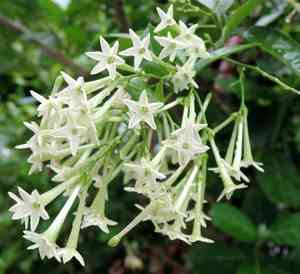
Valued for its captivating nocturnal scent, night-blooming jasmine flourishes with appropriate trimming. Perform cuts in early spring prior to fresh development or during its dormant winter phase. Remove deceased or excessively long branches to preserve its form and foster robust leaves. Trimming stimulates flowering, improves air movement, and deters ailments. Exercise restraint when pruning; excessive removal can diminish blossoms. Direct your cuts to older wood to encourage new growth that yields plentiful flowers.
What Are the Benefits of Pruning Night-blooming Jasmine?
What Are the Benefits of Pruning Night-blooming Jasmine?
Trimming night-blooming jasmine encourages more abundant flowering and aids in the early detection and removal of sick or pest-ridden areas, fostering a stronger and more disease-resistant plant.
What Is the Best Time for Pruning Night-blooming Jasmine?
What Is the Best Time for Pruning Night-blooming Jasmine?
Early spring is optimal for trimming night-blooming jasmine as it precedes the primary growth period. Pruning at this time promotes vigorous new development and allows the plant to channel energy into producing robust, fresh branches and leaves. It also minimizes plant stress, as it's just emerging from its dormant winter phase. Winter is another suitable period for pruning night-blooming jasmine, specifically late winter before any signs of new growth appear. This timing leverages the plant's dormancy, leading to less sap loss and a reduced risk of disease transmission. Since night-blooming jasmine flowers on new wood, pruning during these ideal seasons ensures subsequent growth will support blooming and maintain the plant's desired form and size.
What Tools Do I Need to Prune Night-blooming Jasmine?
Hand Pruners
Perfect for making clean cuts on night-blooming jasmine's thinner stems and branches. Opt for bypass pruners due to their scissor-like action, which provides precise cuts without crushing the plant's delicate tissues.
Lopping Shears
Ideal for severing thicker branches of night-blooming jasmine that hand pruners cannot manage. Their long handles offer leverage for cutting woody stems up to 1.5 inches in diameter.
Pruning Saw
Essential for removing mature or dead branches of night-blooming jasmine larger than what lopping shears can handle. A pruning saw with sharp teeth makes quick work of even the thickest branches.
Gloves
Offer protection against thorns and potential skin irritants found in night-blooming jasmine. Durable gloves are crucial for safe handling during the trimming process.
Cleaning Solution
To prevent disease spread, sanitizing tools with a bleach or alcohol solution before and after pruning night-blooming jasmine is vital for maintaining plant health.
How to Prune Night-blooming Jasmine
Step1: Inspect Plant for Pruning Needs
Examine night-blooming jasmine before trimming to identify dead wood, overgrown foliage, and spent flowers. Ensure the correct pruning time is late winter or early spring before new growth begins.
Step2: Sterilize Pruning Tools
Clean and sanitize your pruning tools to prevent disease transmission. Use a solution of 1 part bleach to 9 parts water or rubbing alcohol to wipe down the blades.
Step3: Dead Wood Removal
Start by removing dead wood. Using sharp and clean pruning shears, cut dead branches at their base where they meet healthy wood, making a slight angle cut to promote water runoff and prevent disease.
Step4: Shape Plant by Pruning Foliage
Trim overgrown foliage to maintain the desired shape of night-blooming jasmine. Make cuts just above a leaf node or a branching point to encourage new growth in your preferred direction.
Step5: Deadhead Spent Flowers
Remove old flowers to encourage more blooms. Locate the base of the spent flower stem and make a cut just above the first set of healthy leaves. This process is known as deadheading.
Step6: Thin Out for Air Circulation
Thin out crowded areas to improve air circulation and light penetration, which is especially important for night-blooming jasmine to prevent diseases. Selectively remove some inner branches by cutting them back to their origin point.
Step7: Overall Plant Shape Assessment
Evaluate the plant's overall shape after pruning specific parts. Make any additional shaping cuts needed to maintain a balanced and aesthetically pleasing form, considering the natural growth habit of night-blooming jasmine.
Step8: Dispose of Pruning Debris
Discard all pruning debris to minimize the chance of disease or pests lingering in the area. Compost healthy material and properly dispose of diseased or pest-infested clippings.
Step9: Water Plant Post-Pruning
Water night-blooming jasmine after pruning to aid its recovery, but avoid overwatering as this can be harmful. Closely monitor the plant for signs of stress or disease following the pruning activity.
Step10: Limit Heavy Pruning Frequency
Note that trimming night-blooming jasmine can stimulate rapid new growth. Therefore, limit extensive pruning to once a year unless removing diseased or broken branches, which can be done as needed any time of the year.
Post-Pruning Care for Night-blooming Jasmine
Post-Pruning Care for Night-blooming Jasmine
After trimming night-blooming jasmine, immediately water the plant thoroughly. Maintain a humid environment, slightly shaded from intense direct sunlight, with temperatures between 60-75°F. Apply a balanced liquid fertilizer to support regrowth. Monitor night-blooming jasmine for wilting, discoloration, or signs of infection; if present, adjust care or consult a plant health expert. Ensure soil remains moist, not waterlogged, and provide proper air circulation to promote healing and growth.
Common Pruning Mistakes with Night-blooming Jasmine
Overzealous Pruning Reduces Vigor
Trimming too aggressively, which can stress night-blooming jasmine and diminish its overall vitality and capacity to produce flowers.
Dull Tools Cause Poor Cuts
Utilizing dull or unsanitized tools, potentially causing jagged cuts that can make night-blooming jasmine more vulnerable to pests and diseases.
Excessive Woody Stem Cutting Damages Plant
Cutting into the woody, older stems too much, which can harm the plant since night-blooming jasmine flowers on new growth.
Ignoring Dead Growth Hinders Health
Failing to remove dead or diseased growth, which can impede healthy growth and flowering of night-blooming jasmine.
Unplanned Pruning Affects Plant Shape
Pruning without a clear objective, leading to an undesirable shape or size that doesn't leverage the natural form of night-blooming jasmine.
Common Pruning Tips for Night-blooming Jasmine
Sharp Shears for Quick Healing
Employ sharp, clean pruning shears to make precise cuts that will heal rapidly, reducing the risk of disease entering night-blooming jasmine.
Thin Branches for Better Health
Focus on thinning out congested branches to enhance air circulation and light penetration, which benefits the health and flowering of night-blooming jasmine.
Prune Above Nodes for Directional Growth
Trim just above a leaf node or a branching point to encourage new growth in a specific direction, improving the shape of night-blooming jasmine.
Prioritize Removing Unhealthy Branches
Remove any dead, damaged, or diseased branches first to maintain the health and appearance of night-blooming jasmine.
Maintain Natural Plant Shape
Prune to preserve the plant's natural form, considering the arching growth habit of night-blooming jasmine.
Trim Leggy Stems for Bushier Growth
Cut back elongated stems to promote denser growth and more blooms on the subsequent new growth.



