How to Prune Snow-in-summer?
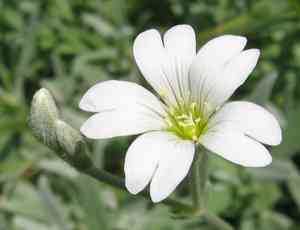
This ground-covering perennial features silver-hued leaves and white, star-shaped blossoms. For Cerastium tomentosum, strategic trimming fosters robust development and preserves its thick, carpet-like appearance. Shear the plant after its initial bloom to stimulate a subsequent flowering period and deter sparse growth. Removing faded blooms extends the plant's vigor. Although Cerastium tomentosum withstands trimming at any point, the most effective times for shaping are after flowering or in early spring. Advantages of pruning encompass thicker growth, regulated expansion, and revitalization for a more energetic presentation.
What Are the Benefits of Pruning Snow-in-summer?
What Are the Benefits of Pruning Snow-in-summer?
Trimming snow-in-summer promotes abundant flowering, preserves its thick, silvery mat-like form, and stimulates vigorous development, ensuring it remains an appealing ground cover.
What Is the Best Time for Pruning Snow-in-summer?
What Is the Best Time for Pruning Snow-in-summer?
Trimming snow-in-summer in late winter or early spring is considered ideal because the plant is still inactive, which reduces stress and the chance of disease spread. Additionally, it allows gardeners to remove any dead or damaged growth from winter, making way for fresh, healthy growth in spring. This timing also avoids disrupting the summer flowering period, ensuring the plant's display is not compromised. Pruning after blooming can encourage a more compact growth habit and prevent unwanted self-seeding.
What Tools Do I Need to Prune Snow-in-summer?
Hand Pruners
Perfect for shaping and trimming snow-in-summer, as they enable precise cuts without harming the delicate stems.
Gardening Scissors
Best for snipping off dead or yellowing leaves to maintain snow-in-summer's neat appearance.
Garden Shears
Useful for cutting back snow-in-summer after it flowers to encourage new growth and a compact form.
How to Prune Snow-in-summer
Step1: Timing of Pruning
Await the appropriate time. Prune snow-in-summer right after it blooms, typically in early to mid-summer.
Step2: Selecting Pruning Tools
Choose suitable tools. Use sharp, clean pruning shears for cutting stems and snipping flowers.
Step3: Removing Wilted Flowers
Snip off faded flowers. Pinch or cut the wilted blooms at the base of the flower stem to encourage new growth and potentially a second flush.
Step4: Pruning Old Stems
Cut back older stems. Identify woody stems that have finished flowering. Make cuts at a 45-degree angle, about one-quarter inch above a leaf set or a new growth node.
Step5: Shaping the Plant
Form the plant. Prune the outermost sections more heavily if you wish to maintain a compact and neat shape. Aim for a natural, mounded form rather than a formal one.
Step6: Thinning Dense Growth
Thin out crowded areas. If snow-in-summer is growing too densely and you want to improve air circulation, thin the plant by cutting some stems at its base.
Step7: Disposing of Pruning Debris
Discard trimmings. Collect all cut material and wilted flowers to prevent potential disease and pest issues. Dispose of them away from the garden area.
Step8: Tool Cleaning and Disinfection
Clean your implements. After pruning snow-in-summer, clean and disinfect your pruning shears to prevent the spread of pests or diseases to other plants.
Post-Pruning Care for Snow-in-summer
Post-Pruning Care for Snow-in-summer
Immediately after trimming snow-in-summer, water the soil thoroughly but avoid wetting the leaves to prevent rot. Place the plant in a well-lit area with indirect light to minimize stress, maintaining an ambient temperature around 65°F and moderate humidity. Post-pruning, apply a balanced slow-release fertilizer to support regrowth, carefully following the product's dosage instructions. Regularly inspect snow-in-summer for yellowing leaves or wilting, signs of stress or infection. If observed, reduce sun exposure and ensure the soil is well-draining. No additional pruning is required until the following season.
Common Pruning Mistakes with Snow-in-summer
Over-Pruning
Trimming snow-in-summer too aggressively, removing excessive foliage which can weaken the plant and reduce its ability to thrive.
Improper Tool Use
Using dull or dirty pruning tools, which can damage stems and leave snow-in-summer susceptible to disease and pests.
Pruning At Wrong Time
Failing to prune snow-in-summer after flowering, which can result in a lack of new growth and may cause the plant to become woody and less attractive.
Cutting Into Old Wood
Pruning snow-in-summer into the woody, older growth that is unlikely to produce new shoots, potentially leading to bare spots.
Pruning Neglect
Assuming snow-in-summer does not require any pruning, which can cause the plant to become overgrown and may hinder its overall health and flowering capacity.
Common Pruning Tips for Snow-in-summer
Sharp, Clean Cuts
Utilize sharp, clean pruning shears to make precise cuts that will heal quickly and minimize the risk of disease for snow-in-summer.
Post-Flowering Shape Maintenance
After blooming, cut back snow-in-summer to maintain its form and encourage dense growth, which will enhance its visual appeal.
Increasing Air Circulation
Thin out congested areas to ensure good air circulation, which helps prevent fungal diseases common in snow-in-summer.
Deadheading for Reblooming
Promptly remove old, faded flowers; this not only maintains the appearance of snow-in-summer but also encourages a second flush of blooms.
Avoid Woody Base Cutting
Refrain from cutting into the woody base of snow-in-summer; focus on trimming the green, vegetative parts to stimulate new growth.
Regular Light Pruning
Stay attentive throughout the growing season, and perform light pruning as needed to keep snow-in-summer looking neat and to control its spread.
Careful Hard Pruning
If snow-in-summer has become too leggy or overgrown, consider cutting back more severely, but do not remove more than one-third of the plant at a time to prevent shock.



