How to Prune Larkdaisy?
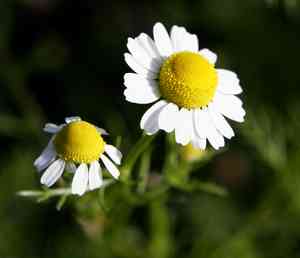
A tropical perennial recognized for its violet blossoms, larkdaisy flourishes with consistent trimming. Cut back deceased or excessively long stems in early spring to foster a more compact growth habit. During the summer, remove faded flowers to encourage ongoing blooming. Performing these pruning tasks during these periods corresponds with its vigorous development. The advantages of pruning encompass preserving an appealing form and dimension, and enhancing the plant's vitality. Employ sanitized, sharp implements for accurate incisions to prevent plant distress and illness.
What Are the Benefits of Pruning Larkdaisy?
What Are the Benefits of Pruning Larkdaisy?
Trimming larkdaisy promotes robust development and helps maintain its desired form, ensuring a compact, visually appealing shape. Regular cutting is crucial for stimulating strong branches and preventing leggy, sparse growth.
What Is the Best Time for Pruning Larkdaisy?
What Is the Best Time for Pruning Larkdaisy?
Pruning during Late Spring aligns with the post-frost period when larkdaisy transitions from dormancy to active growth, minimizing stress and encouraging healthy new shoots. Early Summer pruning is beneficial as it corresponds with the period after the initial growth spurt, allowing for the shaping of larkdaisy and the removal of any spent flowers, thus promoting repeated blooming. These seasons ensure the plant has ample time to recover and grow before the onset of colder months.
What Tools Do I Need to Prune Larkdaisy?
Hand Pruners
Perfect for making precise cuts on the young and delicate stems of larkdaisy, which aids in maintaining plant health and encourages bushier growth.
Pruning Shears
Useful for shaping the plant, as larkdaisy may become leggy. The shears can easily cut through the stems, making it perfect for quick trims.
Gardening Gloves
Essential to protect hands from any thorns or sharp edges while handling larkdaisy, ensuring a safe pruning experience.
How to Prune Larkdaisy
Disinfect tools
Before beginning, sterilize all pruning tools to prevent spreading disease. Use a solution of 1 part bleach to 9 parts water or rubbing alcohol to wipe down the blades.
Remove diseased leaves
Carefully examine larkdaisy for any diseased leaves. Using your sterilized tools, trim off these leaves at the base where they meet the stem, being careful not to damage healthy tissue.
Eliminate withered leaves
Identify and remove any withered or dead leaves on larkdaisy, which can be gently plucked or snipped off. This helps redirect energy to healthier parts of the plant.
Prune diseased stems
For any diseased stem sections on larkdaisy, make clean cuts just above a healthy leaf node or bud to promote new growth. Remove the entire diseased stem if necessary.
Clean up
After pruning, collect all trimmed material and dispose of it away from healthy plants to avoid contamination. Clean your tools again in the same manner as in Step 1.
Common Pruning Mistakes with Larkdaisy
Over-pruning
Removing too much growth from larkdaisy can stress the plant, limit its flower production, and potentially lead to poor plant health.
Improper Cuts
Making cuts too far from the leaf buds or leaving too large a stub can increase the risk of disease and delay wound healing.
Shearing
Treating larkdaisy like a hedge and shearing can result in a dense outer layer, potentially leading to poor air circulation and an unhealthy interior of the plant.
Pruning Diseased Wood
Pruning diseased or infested branches without sterilizing tools can spread pathogens to healthy parts of larkdaisy.
Common Pruning Tips for Larkdaisy
Correct Tool Usage
Use sharp and clean shears or pruners to make clean cuts that heal fast without damaging larkdaisy.
Selective Thinning
Thin out old and overcrowded stems to improve air circulation and light penetration, which encourages larkdaisy to produce more flowers.
Cutting Angle
Make cuts at a 45-degree angle just above a leaf node or bud to promote healthy regrowth and prevent water accumulation on the cut surface.
Deadheading
Regularly remove spent flowers to encourage larkdaisy to produce more blooms and prevent it from putting energy into seed production.
Hygiene
Sterilize pruning tools before and after use on larkdaisy to prevent the spread of disease, especially when cutting diseased or dead material.



