How to Prune Cock's comb?
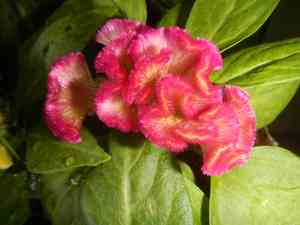
Recognized for its brightly hued, comb-shaped flower clusters, Celosia thrives with appropriate trimming. Deadhead faded blossoms to stimulate further flowering, and shorten stems by one-third in late autumn for a more compact habit. Trim away injured or elongated stems in early spring to foster robust development. Trimming during periods of active growth can lead to thicker foliage and a more striking presentation. Effective pruning guarantees a dense, appealing form and an extended flowering period for this beloved decorative plant.
What Are the Benefits of Pruning Cock's Comb?
What Are the Benefits of Pruning Cock's Comb?
Trimming cock's comb promotes robust development and maintains its form. By removing spent blossoms and excess foliage, cock's comb can channel energy into producing larger flowers and denser leaves, boosting its aesthetic appeal.
What Is the Best Time for Pruning Cock's Comb?
What Is the Best Time for Pruning Cock's Comb?
Pruning or trimming cock's comb from early spring through late autumn aligns with its active growth phase. Early spring pruning revitalizes cock's comb post-dormancy, stimulating new growth and aiding in plant shaping. During the growing season, trimming can manage size, encourage fuller growth, and promote more flower heads. Late fall pruning helps prepare cock's comb for winter by removing spent flowers and lowering disease risk. These periods ensure cock's comb has ample time to recover and grow without the stress of harsh weather, such as frost.
What Tools Do I Need to Prune Cock's Comb?
Hand Pruners
Hand pruners are perfect for cock's comb due to their precision in cutting small stems and removing faded blooms, which encourages more flowering.
Pruning Shears
Bypass blade pruning shears provide clean cuts without harming cock's comb stems, fostering better plant health.
Gloves
Gardening gloves shield hands from scratches when handling cock's comb, while also improving tool grip.
Cleaning Cloth
A cloth for cleaning pruner and shear blades ensures they stay free of disease and sap, lowering the risk of infection in cock's comb.
Disinfectant
Applying a disinfectant to pruning tools helps prevent disease transmission when working with cock's comb.
How to Prune Cock's Comb
Step1: Tool Sanitization
Sanitize your pruning tools to prevent disease spread. Use a solution of one part bleach to nine parts water or rubbing alcohol to clean your shears.
Step2: Deadheading Spent Blooms
Inspect cock's comb for dead flowers. Deadheading, or the removal of spent blooms, encourages more blooms and prevents the plant from putting energy into seed production.
Step3: Cutting at 45-Degree Angle
Using your sanitized pruning shears, cut the dead flowers off cock's comb above the first set of healthy leaves. Make a clean cut at a 45-degree angle to prevent water buildup and minimize disease.
Step4: Removing Withered Leaves
Search for withery leaves, which may indicate disease or just natural aging. Removing these leaves can improve air circulation and light penetration for cock's comb.
Step5: Pruning Leaves at Base
Gently prune away the withery leaves of cock's comb at the base of the leaf stem, being careful not to damage new growth or flower buds.
Step6: Identifying Damaged Stems
Look for damaged stems on cock's comb, which can be caused by pests, weather, or mechanical injury. Damaged stems can become entry points for disease.
Step7: Pruning Damaged Stems
Prune back the damaged stems of cock's comb to the nearest healthy intersection. Make sure not to leave any stubs, as these can rot and invite disease.
Step8: Disposal of Pruning Debris
After pruning, dispose of all removed material from cock's comb properly, away from your garden, to reduce the risk of disease.
Step9: Base Watering Post-Pruning
Water cock's comb at the base to prevent moisture on the foliage, which can promote disease, especially after pruning when the plant may have open wounds.
Step10: Monitoring Post-Pruning Growth
Monitor cock's comb after pruning for signs of new growth and flowering. Regularly sanitize your tools after use to ensure they are ready for the next pruning session.
Post-Pruning Care for Cock's Comb
Post-Pruning Care for Cock's Comb
After trimming cock's comb, immediately water the plant to reduce stress. Maintain a warm environment (60-75°F), with high humidity and indirect sunlight to aid healing. Resume a balanced fertilization regimen after two weeks, favoring a higher phosphorus content for root recovery. Monitor cock's comb for wilting, discoloration, or infection, ensuring sharp, sterile pruning tools were used. Take corrective measures like adjusting water or applying organic fungicide if negative signs persist.
Common Pruning Mistakes with Cock's Comb
Over-pruning
Trimming too much at once, which can stress cock's comb and hinder its ability to thrive.
Using blunt or dirty tools
Employing dull or unclean pruning tools, which can harm stems and potentially introduce disease.
Failing to deadhead
Neglecting to remove dead or faded flowers, which can prevent cock's comb from producing new blooms.
Common Pruning Tips for Cock's Comb
Clean, sharp cuts for health
Use sharp, clean shears to make precise cuts, which will help cock's comb heal faster and reduce disease risk.
Deadheading for continuous blooming
Prune cock's comb by trimming away dead or fading flowers (deadheading) to encourage further blooming.
Prune for denser growth after bloom
Cut back the main stem by one third after blooming if cock's comb looks leggy or overgrown to promote bushier growth and additional flowering sites.



