How to Prune Papaya?
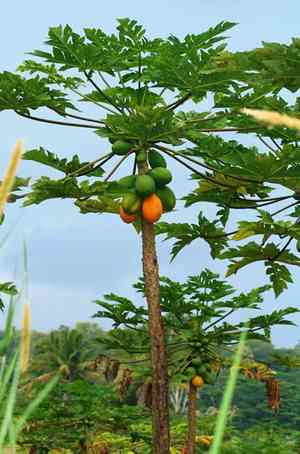
This exotic fruit-bearing tree flourishes in temperate regions and is celebrated for its expansive, deeply divided foliage and juicy produce. For papaya, trimming ought to concentrate on excising lifeless or ailing branches, reducing dense growth, and sculpting for structural soundness. The optimal period for pruning extends from early to late spring, to encourage vigorous new development. Pruning improves air movement and light exposure, which are vital for the fruit's excellence and averting illnesses in papaya. Consistent upkeep guarantees abundant harvests.
What Are the Benefits of Pruning Papaya?
What Are the Benefits of Pruning Papaya?
Trimming papaya is crucial for boosting yields and maintaining vigorous growth. By strategically cutting branches, papaya retains an ideal form, enhancing air circulation and sun exposure, vital for healthy fruit development. This practice also helps manage plant size and ensures an appealing look.
What Is the Best Time for Pruning Papaya?
What Is the Best Time for Pruning Papaya?
Early to late spring is considered ideal for pruning papaya, as this period follows dormancy and precedes the main growth surge. Trimming then encourages robust new growth, allows the plant to recover before summer's intense growth, and minimizes stress on papaya. It also aligns with the post-harvest phase, ensuring pruning doesn't disrupt flowering or fruiting. Pruning at this stage helps shape the tree, removes dead or diseased wood, and improves canopy air circulation, which is vital for preventing fungal infections and supporting overall plant health.
What Tools Do I Need to Prune Papaya?
Hand Pruners
For precise cuts on papaya's young shoots and smaller branches, hand pruners, also known as secateurs, are essential. They enable clean cuts that promote rapid healing.
Lopping Shears
When papaya's branches exceed the cutting capacity of hand pruners, lopping shears can be used. They feature long handles for increased leverage and can manage thicker branches.
Pruning Saw
For mature papaya with larger, established branches, a pruning saw is necessary. It allows for cutting through thicker wood without harming the plant.
Pole Pruner
Due to the height of mature papaya, a pole pruner can be utilized to safely reach and trim branches without requiring a ladder.
How to Prune Papaya
Step1: Inspect for Unhealthy Growth
Examine papaya for any indications of disease, damage, or weakness. Focus on identifying diseased parts, damaged limbs, stunted growth points, weak branches, suckers, and oversized leaves that need pruning.
Step2: Disinfect Pruning Equipment
Sterilize your pruning tools using a solution of 1 part bleach to 9 parts water or a commercial disinfectant to prevent the spread of diseases during pruning.
Step3: Excise Diseased Tissue
Remove diseased parts of papaya using sharp, sterilized pruning shears. Make clean cuts well into the healthy tissue to ensure all affected areas are eliminated.
Step4: Trim Damaged Limbs Properly
Prune damaged limbs of papaya, cutting back to their origin point or to a strong lateral branch. Ensure cuts are made at a 45-degree angle to promote water runoff and prevent disease entry.
Step5: Remove Stunted Growth Spots
Identify stunted growth points, typically characterized by distorted or underdeveloped leaves and stems. Remove these by cutting just above a lateral bud or branch to encourage healthy growth patterns.
Step6: Prune Weak Branches
Locate and prune weak branches that appear less robust or are growing at awkward angles that could compromise the structure of papaya. Make cuts just above a node or lateral branch.
Step7: Eliminate Suckers
Remove suckers from the base or roots of papaya as they emerge. Suckers divert nutrients from the main plant and can create a cluttered plant structure. Cut these as close to the base as possible without harming the main stem.
Step8: Trim Oversized Leaves
Trim oversized leaves that overshadow fruiting branches or hinder air circulation. Reduce leaf size by cutting the leaf stem (petiole) close to the trunk, but avoid damaging adjacent stems or fruit.
Step9: Clean Pruning Debris
After pruning, clear all debris from around papaya to prevent the spread of pests and diseases. Dispose of diseased and damaged material immediately and away from healthy plants.
Step10: Post-Pruning Plant Care
Monitor papaya after pruning for new growth and signs of stress. Ensure the plant is well-watered and fertilized according to its needs to support recovery and healthy development.
Post-Pruning Care for Papaya
Post-Pruning Care for Papaya
Immediately after pruning papaya, ensure clean cuts to prevent infection. Keep the pruned area dry to aid healing. Maintain bright, indirect sunlight, stable temperatures around 25-30°C, and high humidity. Apply a balanced, slow-release fertilizer to support regrowth but avoid over-fertilization which can stress papaya. Regularly inspect for pest activity or disease, particularly at prune sites. If symptoms of stress or infection appear, isolate papaya and consult a plant pathologist.
Common Pruning Mistakes with Papaya
Excessive Foliage Removal Stresses papaya
Removing too much foliage at once from papaya, which can stress the plant and reduce its fruit production.
Improper Close Cutting Damages papaya
Cutting papaya's branches too close to the trunk, which can create wounds that are susceptible to infections and pests.
Unsterilized Tools Spread Disease in papaya
Pruning papaya without sterilizing the tools, which can spread disease between plants.
Tearing Branches Hurts papaya's Vascular Health
Tearing or ripping the branches of papaya instead of making clean cuts, which can damage the plant's vascular system.
Dead Wood Neglect Impedes papaya's Health
Neglecting to remove dead or diseased wood, which can hinder papaya's growth and health.
Indiscriminate Trimming Disrupts papaya's Form
Trimming papaya indiscriminately without considering the natural shape and structure of the plant.
Common Pruning Tips for Papaya
Clean Cuts With Sterilized Shears Aid papaya's Healing
Use sharp and sterilized pruning shears to make clean cuts on papaya, which helps to prevent disease and encourages quicker healing.
Angled Pruning Prevents Rot in papaya
Prune papaya's branches at a slight angle, away from the bud, to allow water to run off and reduce the risk of rot and infection.
Thinning Improves papaya's Growth and Fruit Yield
Thin out the center of papaya to improve air circulation and sunlight penetration, which supports its growth and fruit production.
Pruning Back to Healthy Tissue Enhances papaya's Health
Identify and remove any branches of papaya that are dead, diseased, or damaged. Prune these branches back to healthy tissue to promote plant health.
Spaced Lateral Branches Boost papaya's Fruit Production
Ensure lateral branches on papaya are spaced well to allow room for development, which will support more fruit production.
Preserving papaya's Structure Maintains Integrity
Maintain the structural integrity of papaya by preserving the main trunk and primary branches, only removing secondary branches when necessary to shape the tree or reduce crowding.



