How to Prune Broad-leaf sedge?
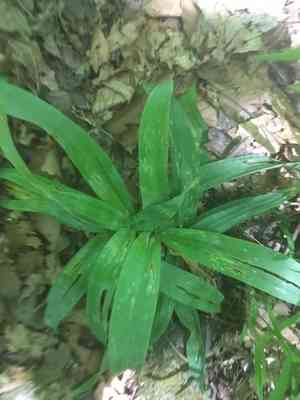
This enduring sedge, featuring wide leaves, flourishes in dim, forested environments. For broad-leaf sedge, extensive trimming is not a common practice. Eliminate aged or discolored leaves in early spring prior to the emergence of new shoots, or alternatively during the winter period. Clipping improves its look and encourages robust development. Employing sterile, keen scissors, sever the foliage down to the ground. Proceed with caution, as over-pruning can be detrimental to broad-leaf sedge. Performing this task during its inactive phase reduces strain on the plant.
Advantages of Trimming Broad-leaf Sedge
Advantages of Trimming Broad-leaf Sedge
Trimming broad-leaf sedge promotes more robust development by eliminating old or damaged leaves, stimulating fresh growth. Consistent shaping helps maintain its desired form, ensuring a neat landscape appearance.
Optimal Period for Trimming Broad-leaf Sedge
Optimal Period for Trimming Broad-leaf Sedge
Trimming or cutting broad-leaf sedge in early spring is perfect, as this occurs just before its new growth phase when the plant emerges from winter dormancy. This timing facilitates healthy development and revitalization by removing old or damaged foliage, which helps broad-leaf sedge direct its energy toward producing new, vigorous growth. Winter pruning, when the plant is dormant and less susceptible to cutting stress, can also be beneficial. During this time, there's a reduced risk of transmitting diseases or attracting pests that are less active in cold weather. Winter trimming also helps gardeners see the plant's structure more clearly due to less foliage, allowing for more precise cuts. Both of these pruning seasons avoid the main growing months, thus preventing unnecessary harm to the overall vitality and appearance of broad-leaf sedge.
Necessary Tools for Trimming Broad-leaf Sedge
Hand Pruners
Perfect for cutting through the foliage and slender stems of broad-leaf sedge, ensuring accurate and clean cuts.
Gardening Gloves
Protect hands while handling broad-leaf sedge, as its edges can be sharp.
Garden Shears
Useful for easily trimming larger clumps of broad-leaf sedge, especially when dealing with significant growth.
How to Trim Broad-leaf Sedge
Sanitize tools
Before beginning the trimming process, ensure all cutting implements are thoroughly cleaned and disinfected to prevent disease transmission to broad-leaf sedge.
Identify
Carefully identify and evaluate broad-leaf sedge's diseased and withered leaves. Look for foliage that appears brown, wilted, or shows signs of fungal infection, as these will be the targets for trimming.
Isolate
Separate the leaves to be trimmed from healthy growth to avoid accidentally harming the latter. Gently hold a diseased or withered leaf away from broad-leaf sedge's clump to prepare for precise cutting.
Cut
Using your disinfected shears, snip the diseased or withered leaves at their base where they emerge from the ground to encourage healthy regrowth in broad-leaf sedge. Be careful not to pull the leaves, as this could damage the root system.
Dispose
After removing the unwanted leaves, immediately discard them in a way that prevents contamination of other plants. Do not compost diseased material to avoid spreading pathogens in broad-leaf sedge.
Common Trimming Errors with Broad-leaf Sedge
Excessive trimming
Often, gardeners cut back broad-leaf sedge too severely, hoping to stimulate new growth. This can stress the plant and lead to reduced vigor or even death.
Incorrect cuts
Making cuts too far from the crown can leave unsightly stubs that may not heal properly, making broad-leaf sedge vulnerable to disease and pests.
Trimming at wrong angle
Angled cuts that do not slope away from the crown of broad-leaf sedge can collect water, potentially causing rot and fungal infections.
Not sterilizing tools
Using unsterilized trimming tools on broad-leaf sedge can spread pathogens from one plant to another and lead to infections.
Tearing stems
Pulling or tearing the stems during trimming, rather than cutting cleanly, can damage the crown and root system of broad-leaf sedge, which can hinder growth.
General Trimming Advice for Broad-leaf Sedge
Sharp tools
Use sharp and clean trimming shears to make precise cuts on broad-leaf sedge, which will help prevent disease and promote quicker healing.
Crown care
When trimming broad-leaf sedge, make cuts close to the crown to avoid leaving stubs, as this can encourage new growth without inviting pests or disease.
Selective thinning
Thin out older, brown foliage by selectively removing them at the base to promote air circulation and reduce the risk of fungal diseases in broad-leaf sedge.
Shape maintenance
Regularly trim broad-leaf sedge to maintain its natural shape and prevent overgrowth, which can improve the overall aesthetic and health of the plant.
Post-trimming care
After trimming broad-leaf sedge, provide adequate water and possibly a light application of fertilizer to support recovery and robust new growth.



