How to Prune Slough Sedge?
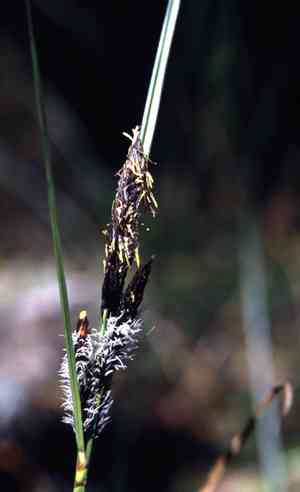
This aquatic foliage plant, characterized by its compact, clump-forming nature, greatly benefits from the targeted elimination of its older, inner leaves. Perform pruning in the springtime to eliminate foliage damaged during winter and stimulate fresh development. Trimming to refine its shape or manage its dimensions is also appropriate during the summer and autumn months. Such maintenance enhances the plant's vitality and visual attractiveness, concurrently aiding in disease prevention by improving air movement within the cluster.
Advantages of Trimming Slough Sedge
Advantages of Trimming Slough Sedge
Trimming slough Sedge promotes robust development and maintains its attractive form. Strategic cuts enhance light penetration and air movement, fostering a strong plant structure and peak health.
Optimal Time for Trimming Slough Sedge
Optimal Time for Trimming Slough Sedge
Trimming slough Sedge in spring allows for the removal of any winter-damaged foliage before new growth emerges, leading to healthier, more vigorous plants. Late summer trimming is ideal as it can revitalize slough Sedge for abundant growth the following year without the risk of encouraging new growth that would be harmed by winter frosts. Early fall trimming is beneficial as it tidies up any overgrowth and shapes the plant, while still providing enough time for wounds to heal before winter arrives. These periods ensure minimal stress on slough Sedge, aligning with its natural growth cycle and preparing it for seasonal changes while avoiding its main flowering period in late spring to early summer.
Tools Required for Trimming Slough Sedge
Bypass Pruners
Suitable for precise cutting of thinner stems and leaves. They create clean cuts that heal more quickly. Slough Sedge's stems are typically not very thick, making bypass pruners an excellent tool.
Grass Shears
Perfect for trimming grass-like foliage, which will be necessary for slough Sedge due to its sedge characteristics. Their long blades are ideal for shaping and maintaining the tussock-forming growth habit of slough Sedge.
Garden Scissors
These are useful for detailed work and can be employed for carefully snipping out dead or unwanted blades from slough Sedge without overly disturbing the plant.
Sharp Knife
Convenient for removing old, tough foliage from slough Sedge if the stems are more rigid or densely packed, where precision tools might not be sufficient.
How to Trim Slough Sedge
Sanitize
Cleanse trimming tools before beginning to prevent the spread of disease to slough Sedge. Sterilize shears or scissors with isopropyl alcohol or a bleach solution to ensure they are free from pathogens.
Inspect
Examine slough Sedge closely, identifying diseased leaves, withered leaves, dead branches, and diseased branches that need to be removed. Ensure a thorough inspection to target parts that may not be contributing to the plant's overall health.
Trim leaves
Carefully trim diseased and withered leaves at their base where they meet the stem or the soil, using sharp, clean trimming tools. Take care not to damage the stem or nearby healthy leaves to maintain the vitality of slough Sedge.
Remove branches
Cut away any dead or diseased branches from slough Sedge at the point where they join healthy growth, ensuring cuts are clean and at a slight angle to prevent water accumulation which can lead to rot.
Cleanup
Gather and dispose of all removed material away from slough Sedge to minimize the risk of disease transmission. Ensure the area around the plant is left clean to promote a healthy growing environment.
Common Trimming Errors with Slough Sedge
Excessive trimming
Removing too much foliage or too many stems from slough Sedge, which can weaken the plant and make it more vulnerable to environmental stress or pests.
Uneven trimming
Cutting slough Sedge unevenly, which can lead to asymmetrical growth and make the plant more susceptible to disease due to poor air circulation.
Using dull tools
Trimming slough Sedge with dull or unclean tools can damage the plant's tissues and increase the risk of disease transmission.
Ignoring dead material
Failing to remove dead or diseased material from slough Sedge, which can hinder new growth and potentially spread disease to healthy parts.
Trimming too short
Cutting stems of slough Sedge too short can prevent the plant from carrying out photosynthesis effectively and impede its overall health and growth.
General Trimming Advice for Slough Sedge
Sharp clean tools
Utilize sharp, clean tools to make precise cuts on slough Sedge, which helps prevent damage and disease.
Hydrate before trimming
Water slough Sedge thoroughly before trimming, as a hydrated plant recovers better from the stress of trimming.
Cut above node
Make cuts on slough Sedge's stems just above a leaf node or set of leaves to encourage healthier re-growth.
Shape plant
Gradually shape slough Sedge by trimming individual stems to maintain the natural form of the plant while promoting dense, lush foliage.
Monitor growth
Regularly observe slough Sedge after trimming to assess the plant's health and growth, making adjustments to care as necessary for its recovery and thriving.



