How to Prune Softleaf sedge?
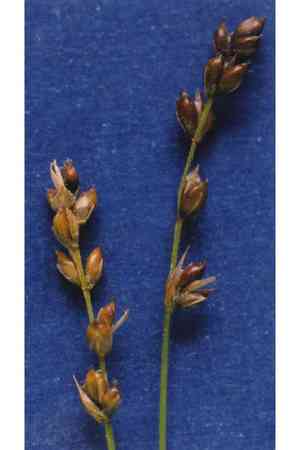
A graceful perennial featuring fine leaves, softleaf sedge needs infrequent trimming to preserve its form and well-being. The most effective time for pruning is in early spring or during winter to eliminate aged foliage and stimulate robust new development. Meticulous removal of withered or compromised blades improves air circulation and lowers the chance of illness. This schedule capitalizes on softleaf sedge's inactive phase, causing less strain on the plant and guaranteeing a vibrant, appealing look throughout the active growth period.
What Are the Benefits of Pruning Softleaf Sedge?
What Are the Benefits of Pruning Softleaf Sedge?
Trimming softleaf sedge encourages robust development and maintains a neat form, crucial for this sedge's thick, clustered habit. It also prevents excessive growth, ensuring the plant remains healthy and visually appealing.
What Is the Best Time for Pruning Softleaf Sedge?
What Is the Best Time for Pruning Softleaf Sedge?
Pruning softleaf sedge in early spring is optimal as it prepares the plant for new development, allowing it to direct energy towards producing healthy, strong growth throughout spring and summer. Trimming at this time helps remove any winter damage, shaping the plant and preserving its aesthetic. Winter pruning is also advantageous since softleaf sedge is dormant then. Pruning during dormancy minimizes stress and lowers the risk of disease and pest infestation, ensuring a vigorous return in spring.
What Tools Do I Need to Prune Softleaf Sedge?
Hand Pruners
Perfect for cutting dead or overgrown foliage of softleaf sedge, providing precision to avoid harming the delicate root system.
Grass Shears
Especially effective for shaping and maintaining the fine leaves of softleaf sedge, allowing for careful, localized cuts without damaging nearby plants.
Garden Scissors
Useful for detailed work on softleaf sedge, particularly in dense areas, offering control and minimizing plant injury during trimming.
How to Prune Softleaf Sedge
Prepare
Gather necessary pruning tools such as sharp scissors or shears, gloves, and a bag for discarded material.
Inspect
Carefully examine softleaf sedge for diseased or withered leaves. Look for foliage that is discolored, spotted, or appears dry and brittle.
Trim diseased
Using the shears, selectively remove diseased leaves at their base where they connect to the main stem or root clump. Ensure clean cuts to prevent further plant damage.
Trim withered
Trim any withered or dead leaves similarly, cutting at the base to encourage healthier growth and maintain the plant's appearance.
Dispose
Properly discard the diseased and dead plant material by placing it in the disposal bag and removing it from the garden area to prevent disease spread.
Common Pruning Mistakes with Softleaf Sedge
Over-pruning
Removing too much foliage from softleaf sedge can stress the plant, impeding its growth and vigor. Softleaf sedge requires sufficient leaf surface for photosynthesis and to maintain its health.
Improper timing
Pruning softleaf sedge at the wrong time can result in poor regrowth and may expose the plant to harsh conditions without the adequate protection its leaves provide.
Incorrect technique
Using dull or dirty pruning tools on softleaf sedge can damage stems, potentially leading to disease and pest problems. Clean, sharp cuts are vital for the health of softleaf sedge.
Common Pruning Tips for Softleaf Sedge
Appropriate tools
Always use clean, sharp scissors or shears when pruning softleaf sedge to ensure smooth cuts that promote rapid healing and reduce disease risk.
Minimize stress
When pruning softleaf sedge, remove only the necessary amount of growth to shape the plant or eliminate old and dead foliage. This approach is less stressful for softleaf sedge and helps preserve its natural form.
Prevent crowding
Thinning out dense clumps of softleaf sedge can improve air circulation around the plants, decreasing the risk of fungal diseases and encouraging healthier, more vigorous growth.



