How to Prune Brownish sedge?
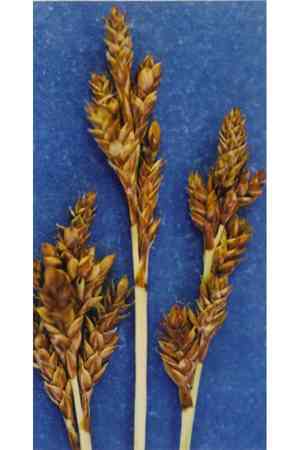
This sedge, which forms clumps and features arching, grass-like leaves, thrives with trimming in the early spring or during winter. Eliminate any deceased or compromised stalks to stimulate fresh development and preserve its general well-being. Trimming it down to the soil surface helps reduce the presence of pests and illnesses. The most favorable times for pruning align with the plant's inactive phase, lessening strain and fostering vigorous growth in the subsequent season. Consistent upkeep aids in sustaining a neat look and supports the plant's inherent growth pattern.
Advantages of Trimming Brownish Sedge
Advantages of Trimming Brownish Sedge
Trimming brownish sedge encourages robust development and helps maintain its desired form. This practice strengthens overall plant health, making it more resistant to pests and diseases, while also enhancing its visual appeal and ensuring a controlled, manageable size.
Optimal Period for Trimming Brownish Sedge
Optimal Period for Trimming Brownish Sedge
Trimming brownish sedge in early spring and winter is ideal as these times coincide with the plant's dormant phase, reducing stress and disease risk. Early spring trimming promotes vigorous growth, while winter trimming ensures brownish sedge is free of dead or damaged foliage before the growing season. Avoid trimming during active growth and flowering to prevent disruption of the plant's natural cycle and maintain optimal health and appearance.
Required Tools for Trimming Brownish Sedge
Hand Pruners
Perfect for precise cuts and removing individual stems or leaves from brownish sedge. Utilize bypass pruners for clean cuts.
Garden Scissors
Excellent for detailed tasks and trimming smaller sections of brownish sedge. These are easier to manage for light trimming jobs.
Shears
Useful for cutting larger, tougher sections of brownish sedge, especially if it grows denser. Choose shears with sharp, durable blades.
Gloves
Essential for protecting hands from sharp edges and potential allergens when handling brownish sedge.
Method for Trimming Brownish Sedge
Inspect
Carefully examine brownish sedge to identify any diseased or withered leaves that require removal.
Clean
Sanitize your trimming shears with rubbing alcohol to prevent the spread of illness.
Remove Diseased
Eliminate any diseased leaves by cutting them at the base, ensuring to cut back to healthy tissue to prevent further disease spread.
Remove Withered
Trim withered leaves close to the base, ensuring you do not harm healthy leaves or roots in the process.
Dispose
Properly discard all removed plant material away from other healthy plants to avoid contamination.
Common Trimming Errors with Brownish Sedge
Over-pruning
Removing too much foliage at once can stress brownish sedge, hinder growth, and potentially harm the plant.
Improper technique
Using dull or dirty tools can cause jagged cuts, which increase the risk of disease and pest infestations.
Incorrect cutting angle
Cutting at the wrong angle can impede new growth and lead to water pooling on the cuts, promoting rot.
Neglecting inspection
Failing to inspect brownish sedge before trimming can lead to the removal of healthy growth and the retention of unhealthy parts, thereby hindering overall plant health.
General Trimming Advice for Brownish Sedge
Use sharp and clean tools
Always trim brownish sedge with sharp and sanitized tools to ensure clean cuts and minimize disease transmission.
Consider plant health
Trim brownish sedge to remove dead, diseased, or damaged parts first to improve plant vitality and prevent the spread of pathogens.
Monitor growth pattern
Observe the natural growth pattern of brownish sedge and trim accordingly to maintain its shape and promote balanced growth.
Moderate pruning
Practice conservative trimming by removing no more than one-third of the plant at a time to avoid undue stress and encourage gradual, healthy development.



