How to Prune Tabasco pepper?
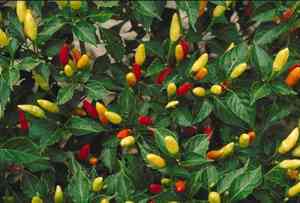
Distinguished by its diminutive, piquant fruits and dense foliage, the tabasco pepper thrives with judicious trimming to foster a more compact form and increased productivity. Essential methods involve topping, which entails severing the primary stalk, and eliminating any ailing or excessively dense limbs. The most favorable period for pruning spans from mid to late spring and can extend into the summer months to sustain the plant's vigor. Particularly for tabasco pepper, this practice improves air movement and light exposure, both vital for fruit maturation and averting illnesses.
Advantages of Trimming Tabasco Pepper
Advantages of Trimming Tabasco Pepper
Trimming tabasco pepper promotes robust development and helps maintain its desired form. It stimulates new growth, which boosts yields and ensures the plant's resources are directed towards healthy leaves and fruits.
Optimal Time for Trimming Tabasco Pepper
Optimal Time for Trimming Tabasco Pepper
Trimming tabasco pepper during mid-spring, late spring, and summer aligns with the plant's active growth phase, typically after the last frost when temperatures are favorable for growth. Pruning in these seasons is ideal because it encourages a bushier form and can enhance air circulation, reducing disease risk. It's also when the plant is most resilient and recovers quickly from pruning. Removing early flowers in mid to late spring can help increase later fruit set. Summer pruning is perfect for maintaining the desired shape and size of tabasco pepper, and for removing non-productive or unhealthy branches, ensuring the plant's energy is focused on healthy fruit-bearing growth.
Tools Required for Trimming Tabasco Pepper
Sharp Bypass Pruners
Excellent for making clean cuts on the tabasco pepper without crushing stems, vital for preventing disease entry and promoting rapid healing.
Handheld Snips
Ideal for thinning dense foliage and removing smaller, delicate stems or leaves of the tabasco pepper, offering precision without unnecessary plant damage.
Pruning Shears
Suitable for harvesting tabasco pepper fruits or cutting thicker, woody stems, ensuring a clean cut essential for the plant's health and productivity.
How to Trim Tabasco Pepper
Sanitize
Ensure all trimming tools are clean and sterilized before beginning to prevent infecting tabasco pepper with diseases.
Identify
Examine tabasco pepper closely to pinpoint diseased and withered leaves. Look for discoloration, spots, or signs of wilting indicating poor health.
Diseased Leaves
Carefully snip off diseased leaves by cutting at the stem's base using sharp pruning shears, being sure to avoid damaging healthy parts of tabasco pepper.
Withered Leaves
Remove withered leaves that are completely dry and show no signs of green, healthy tissue. Cut these leaves at the stem, close to the main branch of tabasco pepper.
Discard
Dispose of the removed material far from tabasco pepper to prevent the spread of any potential pathogens that could cause further diseases.
Common Trimming Errors with Tabasco Pepper
Excessive Pruning
Removing too much foliage, which can stress tabasco pepper and lead to reduced fruiting or even plant demise.
Cutting Too Close
Cutting branches too near the main stem can create wounds that may lead to disease or pest infestation.
Unsanitized Tools
Using dirty trimming tools can spread disease between plants. Always sterilize tools before use.
Trimming Productive Branches
Removing branches that bear many flowers and fruits can significantly decrease yield.
Neglecting Sucker Removal
Failing to remove suckers or shoots from the plant's base can divert energy away from fruiting branches.
Pruning During Peak Growth
Trimming during active growth phases can harm overall plant development.
General Trimming Advice for Tabasco Pepper
Selective Thinning
Remove only essential branches to ensure light and air reach all plant parts. This helps prevent disease and encourages healthy growth.
Angled Cuts
Make cuts at a 45-degree angle away from the bud to promote proper healing and prevent water accumulation, which could lead to rot.
Cut At Internodes
Prune above the internodes, leaving a small piece of stem to prevent dieback.
Removal Of Dead Or Diseased Limbs
Regularly remove dead or diseased portions to maintain plant health and prevent spread to other areas.
Tool Disinfection
Disinfect trimming tools before and after use on tabasco pepper to minimize disease transmission.
Sucker Management
Regularly remove suckers or shoots from the base to focus the plant's energy on main growth and fruit production.



