How to Prune Happy tree?
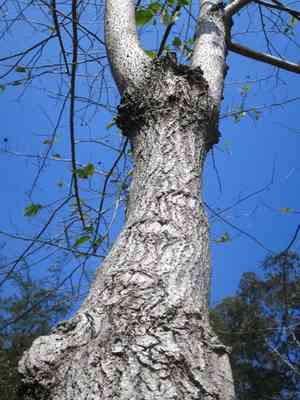
Originating from China and recognized for its considerable therapeutic properties, happy tree is a deciduous species characterized by a broad crown. To ensure peak vitality and form, undertake structural trimming in late winter prior to vigorous development, eliminating deceased or intersecting limbs. Reducing dense sections improves light access and air movement, fostering a sturdier framework. Early spring pruning strengthens recovery and resilience. Prompt upkeep deters excessive growth and capitalizes on happy tree's swift restorative ability, simultaneously guarding against potential ailments.
What Are the Benefits of Pruning Happy Tree?
What Are the Benefits of Pruning Happy Tree?
Trimming happy tree promotes robust development and assists in preserving its desired form. Strategic removal of weak limbs supports a strong framework and channels energy towards healthy growth.
What Is the Best Time for Pruning Happy Tree?
What Is the Best Time for Pruning Happy Tree?
Late winter and early spring are considered optimal periods for pruning happy tree because the plant is typically dormant then. Pruning at this time is beneficial as it minimizes stress on happy tree and encourages vigorous growth once the active season begins. The absence of leaves also makes the plant's structure more visible, allowing for more accurate cuts and shaping. Furthermore, pruning before the start of spring growth enables the plant to quickly heal pruning wounds and efficiently direct its energy into new development. Avoiding flowering or fruiting times ensures the plant's reproductive capacity is not hindered. Trimming during the ideal seasons aligns with happy tree's natural life cycle and enhances its health, vitality, and visual appeal.
What Tools Do I Need to Prune Happy Tree?
Hand pruners
Perfect for severing small branches up to 1/2 inch in diameter on happy tree, ensuring precise cuts and minimal harm to young stems.
Lopping shears
Suitable for thicker branches, ranging from 1 1/2 to 2 inches in diameter, offering increased leverage and cutting power necessary for happy tree's tougher, older limbs.
Pruning saw
Essential for cutting through branches exceeding 2 inches in thickness on happy tree, facilitating clean cuts without tearing the bark, which could lead to disease or pest problems.
Pole pruner
Useful for managing the height and shape of happy tree by trimming higher branches from the ground, ensuring safety and eliminating the need for ladders.
How to Prune Happy Tree
Clean Tools
Sanitize pruning implements prior to use to prevent the spread of ailments to happy tree.
Dead Branches
Identify and remove lifeless branches by cutting just outside the branch collar, ensuring clean cuts without harming happy tree's living tissue.
Diseased Branches
Locate and remove infected branches, making cuts well into healthy tissue to ensure all traces of the infection are eliminated from happy tree.
Disposal
Properly discard all removed material to prevent re-infection or disease propagation in the garden where happy tree is situated.
Final Inspection
Perform a final check of happy tree for any remaining or overlooked dead or diseased wood and prune as needed to maintain the plant's health and structure.
Common Pruning Mistakes with Happy Tree
Over-Pruning
Removing excessive foliage, which can stress happy tree and result in poor growth or illness.
Blunt Tools
Utilizing dull or unsharpened cutting tools that can harm happy tree's branches and create jagged cuts susceptible to disease.
Cutting Too Close
Trimming too near the main stem, which can eliminate vital growth nodes and hinder future development.
Tearing Bark
Damaging the bark when cutting large branches, which can lead to long-term harm and expose happy tree to pests and diseases.
Ignoring Deadwood
Failing to remove dead or diseased wood, which can cause infections to spread throughout happy tree.
Wrong Angle
Cutting branches at an incorrect angle, which can prevent water from draining off the cut surface and encourage rot.
Flush Cuts
Making cuts flush against the trunk or parent branch, which can impede happy tree's natural healing process.
Neglecting Tools
Failing to clean and sterilize pruning tools, which can transmit diseases between happy tree and other plants.
Common Pruning Tips for Happy Tree
Sharp Tools
Always use sharp, clean pruning implements to make precise cuts and minimize the risk of disease in happy tree.
Right Technique
Employ correct pruning methods, such as cutting outside the branch collar without leaving a stub that can lead to decay.
Natural Shape
Follow happy tree's inherent form when pruning to preserve its aesthetic and encourage healthy development.
Dead And Diseased Wood
Regularly remove dead, diseased, or damaged wood to keep happy tree healthy and prevent the spread of decay.
Thinning
Thin out crowded branches to enhance air circulation, which can reduce the risk of fungal infections in happy tree.
Growth Direction
Prune to guide growth by cutting back to a bud facing the plant's exterior, promoting outward and upward development.
Healing
Allow happy tree time to recover after pruning by avoiding over-fertilization, which can cause a weak growth surge.
Tool Maintenance
Maintain clean and sharp tools between cuts, especially when moving between healthy and diseased areas of happy tree to prevent cross-contamination.



