How to Prune Spreading bellflower?
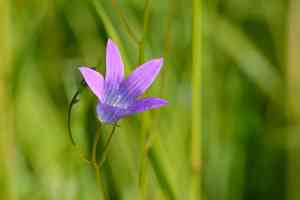
This graceful perennial, recognized for its campanulate blossoms and delicate stalks, adds allure to garden spaces. Trimming should primarily involve removing faded flowers to stimulate additional blooming. After the flowering period, cut back the plant to preserve its form and foster dense development, preferably in late summer or early autumn. Refrain from extensive cutting, as this might diminish the number of flowers in the subsequent season. Consistent trimming preserves its beauty and vitality, and deters the dispersal of seeds in undesirable locations. The most suitable times for pruning extend from spring to autumn, adjusted to the plant's growth pattern.
Advantages of Trimming Spreading Bellflower
Advantages of Trimming Spreading Bellflower
Trimming spreading bellflower promotes abundant flowering and robust development. Strategic cuts help preserve its shape, preventing excessive spread, and enhance its decorative appeal.
Optimal Time for Pruning Spreading Bellflower
Optimal Time for Pruning Spreading Bellflower
In late spring, spreading bellflower's initial growth can be gently shaped or deadheaded to encourage more blooms and maintain an appealing form. Early summer is perfect for cutting back faded flowers to stimulate a second bloom. Autumn pruning should be minimal, focusing on removing dead or damaged growth, as spreading bellflower prepares for dormancy, and extensive pruning could weaken the plant.
Tools Required for Pruning Spreading Bellflower
Hand Pruners
Suitable for snipping stems and removing spent blooms on spreading bellflower. Sharp bypass pruners create clean cuts without harming the delicate stems.
Shears
Excellent for shaping and managing the spread of spreading bellflower by trimming excess growth. Lightweight shears ensure agility and precision without hand fatigue.
Gloves
Protective gloves are crucial to guard against scratches and ensure a safe pruning experience with spreading bellflower.
Garden Scissors
These are useful for deadheading and trimming light foliage of spreading bellflower, allowing for precise work in dense growth areas.
How to Prune Spreading Bellflower
Sterilize
Sanitize pruning shears with alcohol or a bleach solution to prevent disease transmission when cutting spreading bellflower.
Remove Diseased
Trim off any diseased leaves from spreading bellflower by making clean cuts at the base of the affected leaf stem to halt infection spread.
Eliminate Withered Leaves
Cut back any withered leaves to their base to encourage healthy growth and improve air circulation around spreading bellflower.
Deadhead Flowers
Deadhead faded flowers by snipping them off just above the first set of healthy leaves to promote more blooms and extend spreading bellflower's flowering period.
Clean Up
Dispose of all removed parts properly to reduce the risk of disease and pests, and to keep the area around spreading bellflower tidy.
Common Pruning Errors with Spreading Bellflower
Over-Pruning
Removing too much growth can stress spreading bellflower, hindering its ability to thrive. It is essential to trim no more than one-third of the plant at a time to maintain its health.
Improper Tool Use
Using dull or dirty tools can harm spreading bellflower's delicate stems, potentially introducing disease. Always use sharp, clean pruners to make clean cuts.
Pruning Healthy Flowers
Cutting away healthy blossoms can reduce spreading bellflower's blooming potential. Focus on removing dead or fading flowers to encourage new growth.
Neglecting Dead-Heading
Failing to remove spent flowers from spreading bellflower can lead to reduced blooming, as the plant may focus energy on seed production rather than new flowers.
Ignoring Plant Shape
Randomly cutting without considering the natural shape of spreading bellflower can lead to an unattractive and unbalanced appearance. Aim to maintain the plant's natural form when trimming.
General Pruning Advice for Spreading Bellflower
Selective Cutting
Prune spreading bellflower by selectively cutting back leggy stems and overgrown areas to create a more compact, bushy plant. This can also help improve airflow, reducing the risk of disease.
Dead-Heading
Regularly remove spent flowers from spreading bellflower to promote continuous blooming throughout the growing season. This redirects the plant's energy towards producing new flowers.
Post-Bloom Trimming
After the main bloom period, lightly trim spreading bellflower to shape it and encourage a second, though possibly less vigorous, flush of flowers.
Maintenance Pruning
Throughout the growing season, consistently remove any yellowing or dead leaves and spent blooms to keep spreading bellflower looking tidy and healthy.
Supporting Stem Growth
If pruning to control size, ensure that enough of spreading bellflower's stems remain to support continued growth and flowering. Avoid cutting back stems that have flower buds forming.



