
Spreading bellflower (Campanula patula)
Also known as: Speading bellflower
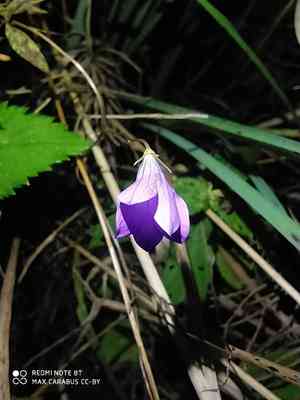
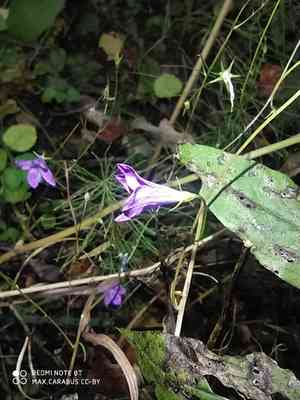
The spreading bellflower (Campanula patula) is indigenous to temperate regions of Eurasia and has been naturalized in various parts of the world. This plant flourishes in environments such as meadows, open woodlands, and roadsides. It is noted for its pale purple-blue, star-shaped flowers, which bloom from summer through fall. The petals are distinctively pointed and more widely spaced compared to other bellflower species, giving the plant its name.
In This Article
Attributes of Spreading bellflower
Lifespan
Perennial, Biennial, Annual
Plant Type
Herb
Plant Height
25 cm to 80 cm
Spread
10 cm to 50 cm
Leaf Color
Green
Flower Size
2 cm to 2.5 cm
Flower Color
Purple
Images of Spreading bellflower


Quickly Identify Spreading bellflower
1
This plant can be identified by its tall, branching stems and star-shaped flowers. The flowers have a distinctive open bell shape with five pointed lobes and are typically blue to violet, but can sometimes be white. The leaves are alternately arranged, lanceolate, and toothed along the margins.
Scientific Classification of Spreading bellflower
Phylum
Vascular plants
Class
Dicotyledons
Order
Asterales
Family
Bellflower
Genus
Bellflowers
Species
Spreading bellflower
Planting and Growing of Spreading bellflower
Care Difficulty
Moderate
Watering Schedule
Every 4 days
Sunlight Requirements
Partial sun
Sunshine Duration
6-10 hours
Ideal Temperature
60-70℉
Soil Type
Potting Mix, Peat Mix
Soil pH
6.5-7.5
Fertilizer Type
Balanced
Pruning Season
Spring, Summer
Pruning Area
Branches, Leaves
Pruning Frequency
Once a year
Repotting Season
Spring
Pot Type
Plastic, Ceramic
 How to Water Spreading bellflower?
For Campanula patula, ensure the soil is kept lightly moist but not waterlogged. This plant prefers well-draining soil where excess water doesn’t linger, preventing root rot. A good rule of thumb is to water until you see water beginning to drain from the bottom of the pot, ensuring the entire root system is adequately covered, which typically requires about 250 ml per watering session.
What are the symptoms of an underwatered Spreading bellflower?
›
What should I do if my Spreading bellflower is not getting enough water?
›
What are the symptoms of an overwatered Spreading bellflower?
›
How to save an overwatered Spreading bellflower?
›
 What Are the Sunlight Requirements for Spreading bellflower?
Campanula patula thrives with partial sun, preferably with morning or late afternoon light. Within this light range, it achieves optimal photosynthesis, enhancing bloom production and sustaining lush foliage.
More About Sunlight Requirements Techniques→
Optimal Sun Exposure
›
Seasonal Light Adjustments
›
Protection from Overexposure
›
 What Is the Ideal Temperature Range for Spreading bellflower?
For Campanula patula, the ideal temperature range is between 60°F and 70°F. Maintaining this range ensures optimal growth, flowering, and overall health. This species thrives in moderate climates and benefits from stable, mild temperatures that mimic its native habitat. Such conditions promote robust development and prevent stress-related issues.
 What Soil is Best for Spreading bellflower?
Campanula patula thrives in well-drained soil, which prevents root rot by allowing excess water to escape quickly. This benefits the plant by promoting healthy root growth and preventing waterlogging. The plant benefits from consistent moisture levels, neither too dry nor too wet. This helps maintain a balance that supports healthy foliage and prolific blooming. Campanula patula prefers a soil rich in organic material, providing essential nutrients. Enriched soil supports robust growth and vibrant flower production.
 How to Fertilize Spreading bellflower?
Campanula patula, also known as spreading bellflower, requires moderate fertilization. A balanced approach involves applying a liquid fertilizer with a concentration of 10-10-10, diluted to half strength, to avoid overfeeding. Applying around 100 ml per plant monthly during the growing season is typically sufficient.
 How to Prune Spreading bellflower?
Start by removing any dead or damaged stems. These are generally brown and brittle to the touch. Removing them helps prevent disease and encourages new growth, rejuvenating the plant. Once the flowering period has ended, it’s essential to cut back any spent blooms. This not only tidies the plant but also redirects energy to developing healthier foliage and preparing for the next bloom cycle. To promote a bushier plant, prune back the tips of the stems. This encourages side shoots, which will lead to a fuller plant with more flowering potential as the season progresses.
More About Pruning Techniques→
 How to Propagate Spreading bellflower plant?
1
Begin by sourcing high-quality seeds. Scarify the seeds lightly, if necessary, to improve germination rates. Use a seed tray filled with a mix of peat and sand for sowing.
2
Select healthy, non-flowering stems for cuttings. Cut a 3-4 inch section just below a node using pruning shears, then remove the lower leaves to prevent rot.
3
Carefully dig up an established plant in spring. Divide the root mass into sections, ensuring each section has healthy roots and shoots, then replant immediately.
 How to Repot Spreading bellflower plant?
1
Campanula patula should be repotted when its roots start outgrowing the pot, which is visible through root-bound symptoms like roots emerging from drainage holes. This typically occurs every 2-3 years in spring or autumn.
2
Select a pot slightly larger than the current one to allow root expansion. Ensure it has good drainage holes. This prevents waterlogging, reducing the risk of root rot while providing room for root growth.
3
Use a well-draining potting mix, ideally slightly alkaline. This mix ensures good moisture retention without waterlogging, mimicking natural conditions and promoting healthy root development.
Learn More About Spreading bellflower Diseases
Anthracnose
Bacterial Leaf Spot
Bacterial Soft Rot
Bacterial Wilt
Chemical Injury
Crown Gall
Cyst Nematode
Damping-off
Downy Mildew
Drought Stress
Fusarium Wilt
Gray Mold
Leaf Spot
Mosaic
Nutrient Deficiency
Nutrient Toxicity
Powdery Mildew
Root Rot
Root-knot Nematode
Rusts
Sooty Mold
Spider Mites
Temperature Stress
Thrips Damage
White Mold



