How to Prune Alpine bellflower?
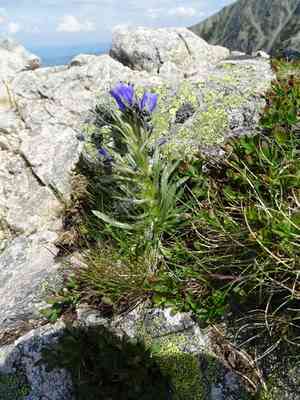
Recognized for its vivid, campanulate blossoms, alpine bellflower thrives with yearly trimming to preserve its form and vitality. The most effective periods for pruning are during spring and summer, coinciding with fresh development and peak flowering phases. Eliminate faded blooms and compromised stalks to stimulate ongoing flowering and mitigate the chance of illness. Trimming additionally aids in controlling dimensions and improving air circulation. These methods foster vigorous development and an extended blooming duration, guaranteeing a thriving and aesthetically pleasing specimen.
What Are the Benefits of Pruning Alpine Bellflower?
What Are the Benefits of Pruning Alpine Bellflower?
Trimming alpine bellflower helps maintain its form, promotes vigorous development, enhances blooming, and improves air circulation. This minimizes pest and disease risks, ensuring a healthy and attractive plant.
What Is the Best Time for Pruning Alpine Bellflower?
What Is the Best Time for Pruning Alpine Bellflower?
Pruning alpine bellflower during spring and summer is advantageous as this period aligns with the plant's active growth phase. In these seasons, alpine bellflower possesses sufficient energy reserves for recovery and can produce new growth more rapidly. Spring pruning allows for shaping and removal of winter damage, ensuring better air flow and light penetration. Summer pruning, particularly after flowering, aids in maintaining shape and removing faded blooms, which can contribute to improved flowering in the subsequent cycle. It's important to avoid pruning in fall and winter as alpine bellflower enters dormancy, and cutting back then can cause stress and increased vulnerability to disease.
What Tools Do I Need to Prune Alpine Bellflower?
Bypass Hand Pruners
Perfect for making clean cuts on stems and small branches, preventing harm to alpine bellflower's delicate structure.
Precision Pruning Shears
Useful for trimming and removing spent flowers, ensuring accurate cuts without damaging nearby growth.
Handheld Hedge Shears
Effective for shaping and maintaining the compact, mounded appearance of alpine bellflower while avoiding excessive harm.
Pruning Knife
Good for removing faded flowers and delicate thinning without tearing or crushing stems.
How to Prune Alpine Bellflower
Inspection
Examine alpine bellflower for any diseases, withered foliage, and stems that require attention. Carefully identify parts needing trimming to ensure selective pruning.
Disinfect Tools
Clean and sanitize pruning shears to prevent disease spread. This is crucial when dealing with diseased sections.
Remove Diseased Leaves
Trim off all diseased leaves at the base of the leaf stem. Ensure a clean cut to encourage healthy regrowth and prevent further infection.
Trim Withered Leaves
Cut away any withered or dead leaves. Focus on removing these to improve air circulation and aesthetic appeal.
Cut Diseased Stems
Prune diseased stems by cutting back to healthy tissue. Make the cut just above a leaf node or bud to encourage new growth.
Common Pruning Mistakes with Alpine Bellflower
Over-pruning
Cutting back too much of alpine bellflower can lead to a significant reduction in blooms and weaken the plant, making it more susceptible to diseases and pests.
Improper Technique
Using dull or unsuitable tools can cause jagged cuts that heal poorly. Jagged cuts can introduce diseases and hinder healthy regrowth.
Pruning at Wrong Time
Though not specified here, pruning at the incorrect stage of the plant’s growth cycle can remove buds, leading to fewer flowers and overall poor health of alpine bellflower.
Ignoring Deadheading
Failing to remove spent flowers can result in fewer new blooms, as the plant expends energy on seed production instead of generating new flowers.
Common Pruning Tips for Alpine Bellflower
Use Sharp, Clean Tools
Always use sharp and sterilized pruning shears or scissors to make clean cuts. This promotes quick healing and prevents disease transmission.
Prune Sparingly
Only remove about one-third of the plant’s growth at a time. This helps keep alpine bellflower healthy and encourages a robust flowering season.
Focus on Deadheading
Regularly remove spent flowers to encourage continuous blooming. This allows alpine bellflower to redirect its energy from seed production to growth and new blooms.
Cut Above the Leaf Node
When making your cuts, always prune just above a healthy leaf node or bud. This encourages new growth from that point, promoting a fuller plant.



