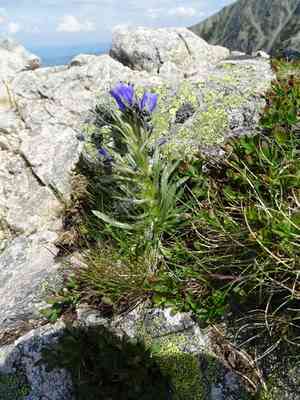
Alpine bellflower (Campanula alpina)
Also known as: Alpine Bellflower
Campanula alpina is a species of perennial bellflower found in the Eastern Alps, Carpathian Mountains and the Balkans. It comprises two subspecies: subsp. alpina found in the Eastern Alps and Carpathians, and subsp. orbelica found in the Balkans.
In This Article
Attributes of Alpine bellflower
Lifespan
Perennial
Plant Type
Herb
Plant Height
5-15 cm (2-6 inches)
Spread
Approximately 15 cm (6 inches)
Leaf Color
Glossy green
Flower Size
1.5-2 cm (0.6-0.8 inches)
Flower Color
Blue to violet
Images of Alpine bellflower
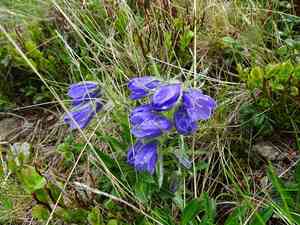
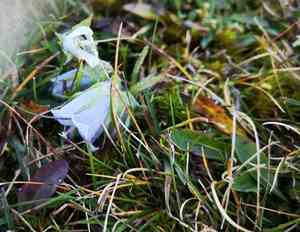
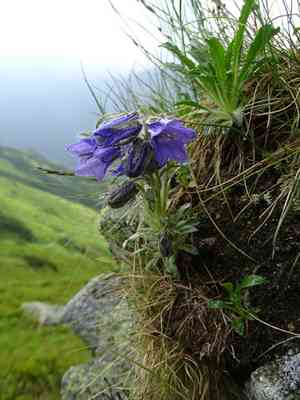
Quickly Identify Alpine bellflower
1
Identifiable by its bell-shaped blue or violet flowers, which typically grow singly or in small clusters. The leaves are glossy, with a lanceolate to ovate shape, and the plant tends to form low, tufted clumps.
Scientific Classification of Alpine bellflower
Phylum
Vascular plants
Class
Dicotyledons
Order
Asterales
Family
Bellflower
Genus
Bellflowers
Species
Alpine bellflower
Planting and Growing of Alpine bellflower
Care Difficulty
Moderate
Watering Schedule
Every 2 days
Sunlight Requirements
Partial sun
Sunshine Duration
4-8 hours
Ideal Temperature
60-70℉
Soil Type
Potting Mix, Peat Mix
Soil pH
6.5-7.5
Fertilizer Type
Balanced
Pruning Season
Spring, Summer
Pruning Area
Branches, Leaves
Pruning Frequency
2 times a year
Repotting Season
Spring
Pot Type
Plastic, Ceramic
 How to Water Alpine bellflower?
For Campanula alpina, aim to provide around 250 milliliters of water per session. The key principle is to ensure the soil remains consistently moist, without becoming waterlogged. Water until the excess drains from the bottom.
What are the symptoms of an underwatered Alpine bellflower?
›
What should I do if my Alpine bellflower is not getting enough water?
›
What are the symptoms of an overwatered Alpine bellflower?
›
How to save an overwatered Alpine bellflower?
›
 What Are the Sunlight Requirements for Alpine bellflower?
Campanula alpina ideally enjoys partial sun exposure, around 4 to 6 hours of daily sunlight. This range supports well-balanced growth, vibrant florals, promotes adequate chlorophyll production, and ensures sustained health.
What type of light does Campanula alpina need?
›
How can I achieve the ideal sunlight conditions?
›
What are the benefits of the ideal light conditions?
›
 What Is the Ideal Temperature Range for Alpine bellflower?
Campanula alpina thrives best in temperatures ranging from 60°F to 70°F. This range is conducive to optimal growth and flowering, mimicking the cool mountain conditions of its native Alpine habitat.
 What Soil is Best for Alpine bellflower?
Campanula alpina thrives best in well-drained soils that prevent waterlogging and root rot. These conditions ensure adequate aeration for roots, fostering vigorous plant growth and resilience. A nutrient-rich soil enhances the plant's growth potential. Compost or organic matter improves soil fertility, allowing Campanula alpina to bloom with vibrant flowers and robust foliage. Soil that retains moderate moisture without becoming soggy is ideal. This balance supports healthy root systems by providing consistent hydration while avoiding fungal diseases.
 How to Fertilize Alpine bellflower?
For Campanula alpina, it's vital to apply fertilizer in moderation. Use about half the recommended dose on the fertilizer package, as over-fertilizing can damage this plant's delicate roots. If applying liquid fertilizer, dilute to a quarter strength if used biweekly. For solid fertilizer, use only a teaspoon around the base each time.
 How to Prune Alpine bellflower?
Begin by identifying any dead or damaged stems. Remove these to promote air circulation and reduce the risk of fungal diseases. Gently trim back overgrown areas or any stems that disrupt the natural shape of the plant. Aim for a dome shape that enhances the plant's appearance. After flowering, cut back stems to the base of the plant. This not only tidies the appearance but also directs energy back into the roots for the next growth phase. Always sanitize your tools when moving between different plants to prevent the spread of any potential diseases between them.
More About Pruning Techniques→
 How to Propagate Alpine bellflower plant?
1
Sow the seeds of Campanula alpina indoors in a tray filled with a well-draining seed starting mix. Lightly cover the seeds with soil and keep them moist. Seeds may take several weeks to germinate.
2
Select healthy, non-flowering shoots for cuttings. Cut about 4-6 inches of the stem using sharp shears. Ensure there are several leaf nodes on the cutting and remove the lower leaves.
3
Carefully dig up the Campanula alpina plant without damaging the roots. Gently separate the plant into smaller sections, ensuring each has roots attached. This can promote healthier growth.
 How to Repot Alpine bellflower plant?
1
Repot Campanula alpina when you notice roots emerging from the pot's drainage holes or when the plant's growth seems stunted. Early spring or mid-summer, when the plant is actively growing, are ideal times since it minimizes stress and maximizes root establishment in new soil.
2
Select a pot that is one size larger than the current one, with good drainage holes. This allows for root expansion without overwhelming the plant. A heavy pot material like ceramic or terracotta can help balance the plant and prevent tipping, especially during growth spurts.
3
Opt for well-draining, gritty soil to mimic its natural alpine habitat. A mix containing perlite or sand ensures proper aeration and drainage, crucial for preventing root rot. Such soil also helps maintain structure, allowing roots to expand freely with adequate support.
Learn More About Alpine bellflower Diseases
Anthracnose
Bacterial Leaf Spot
Bacterial Soft Rot
Bacterial Wilt
Chemical Injury
Crown Gall
Cyst Nematode
Damping-off
Downy Mildew
Drought Stress
Fusarium Wilt
Gray Mold
Leaf Curl
Leaf Spot
Mosaic
Nutrient Deficiency
Nutrient Toxicity
Powdery Mildew
Root Rot
Root-knot Nematode
Rusts
Sooty Mold
Spider Mites
Temperature Stress
Thrips Damage
White Mold



