How to Prune Purple fairy-lantern?
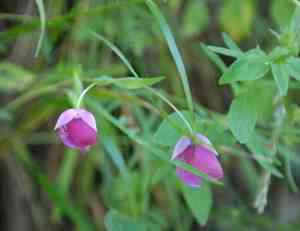
The purple fairy-lantern, recognized for its exquisite bell-shaped blossoms in charming purple shades, flourishes with infrequent trimming. To enhance its development and flowering, perform pruning in early spring or late winter, prior to the emergence of new shoots. Eliminate any withered or compromised leaves to encourage robust growth. Consistently cutting back superfluous foliage can avert congestion and improve air circulation, thereby lowering the likelihood of disease. Appropriate pruning guarantees strong growth and more vivid flowers, boosting the plant's aesthetic value.
What Are the Benefits of Pruning Purple Fairy-lantern?
What Are the Benefits of Pruning Purple Fairy-lantern?
Purple fairy-lantern thrives with pruning, promoting vigorous growth and maintaining its form. This ensures robust development, enhances flowering, and manages its size. Additionally, it aids in pest and disease resistance, fostering an overall strong appearance and vitality.
What Is the Best Time for Pruning Purple Fairy-lantern?
What Is the Best Time for Pruning Purple Fairy-lantern?
Trimming purple fairy-lantern in early spring or late winter aligns with its dormant phase, allowing the plant to direct energy towards new growth once the active season begins. Pruning at these times lowers the chance of disease and harm, as cuts heal quicker in cooler temperatures. Furthermore, it assists in shaping the plant and removing any dead or damaged parts before the growing season, encouraging better overall health and more abundant blooms.
What Tools Do I Need to Prune Purple Fairy-lantern?
Hand Pruners
Perfect for precise cuts on small, delicate stems of purple fairy-lantern. They ensure clean cuts that encourage healthy growth and prevent damage.
Fine-Tipped Scissors
Ideal for detailed trimming of spent flowers and slender stems due to purple fairy-lantern's delicate nature.
Disinfectant Wipes
Crucial for cleaning tools before and after use to prevent the spread of diseases among purple fairy-lantern and other plants.
How to Prune Purple Fairy-lantern
Identify
Inspect purple fairy-lantern to find any diseased leaves, identifiable by discoloration or spots.
Sanitize
Sterilize pruning shears with rubbing alcohol to prevent disease transmission.
Trim diseased
Carefully cut at the base of affected leaves, ensuring no harm to healthy sections.
Locate withered
Find and examine withered leaves, which typically appear dry and lifeless.
Trim withered
Gently remove withered leaves by cutting close to the base while preserving the healthy foliage.
Common Pruning Mistakes with Purple Fairy-lantern
Incorrect technique
Using improper cutting tools or methods can harm purple fairy-lantern. Dull or unsanitized tools can cause torn stems and potential disease.
Over-pruning
Removing too much foliage can stress purple fairy-lantern, leading to fewer blooms and slower recovery. This plant relies on its leaves to gather energy.
Poor timing
Pruning at the wrong stage of the plant's growth cycle can hinder flowering or result in poor regrowth. This is particularly detrimental for purple fairy-lantern.
Cutting too close to the base
Removing stems too close to the base can damage the growth points, negatively affecting future growth and bloom potential of purple fairy-lantern.
Common Pruning Tips for Purple Fairy-lantern
Sharp tools
Always use sharp, clean pruning tools to make clean cuts and reduce the risk of infection. This is crucial for maintaining the health of purple fairy-lantern.
Light pruning
Perform light pruning to shape the plant and remove any dead or damaged foliage. Keep the cuts conservative to avoid stressing purple fairy-lantern.
Target damaged areas
Focus on removing diseased, dead, or damaged stems. Ensure that cuts are made just above a healthy node or bud to encourage proper regrowth for purple fairy-lantern.
Maintain shape
Prune strategically to maintain the aesthetic shape of purple fairy-lantern. This encourages a more controlled and visually pleasing growth habit.
Disinfect tools
Sanitize pruning tools between cuts, especially when switching between different plants. This minimizes the risk of spreading disease, which is essential for the health of purple fairy-lantern.



