How to Prune Angel wings?
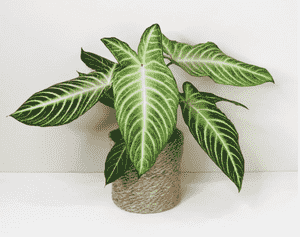
Originating from tropical jungle environments, angel wings is prized for its expansive, cordate leaves and prominent green and white variegation. Trimming should concentrate on eliminating discolored or impaired foliage to preserve visual appeal and stimulate robust development. The ideal period for pruning is during spring or summer, coinciding with angel wings's vigorous growth phase. Precise cuts at the base of undesirable leaves guarantee minimal strain. Pruning aids angel wings by improving air movement, lowering the chance of illness, and fostering abundant, vivid leaf production.
Advantages of Trimming Angel Wings
Advantages of Trimming Angel Wings
Trimming angel wings promotes vigorous development and helps maintain its decorative appeal. By eliminating old or overgrown foliage, gardeners ensure angel wings directs energy into vibrant new leaves, fostering a lush, compact appearance.
Optimal Period for Trimming Angel Wings
Optimal Period for Trimming Angel Wings
Trimming or cutting angel wings in early spring or early summer supports its growth cycle as it emerges from dormancy and can recover quickly. During these seasons, angel wings will begin active growth, allowing trimmed areas to heal and produce new foliage. This also prevents stress during the blooming phase or hot summer months when the plant's resources are heavily used for maintenance and survival. Pruning at this time minimizes the risk of plant disease, as cuts heal faster in warm weather with reduced chances of moisture-borne pathogens. Furthermore, removing any dead or damaged leaves at the start of the growing season encourages healthier growth and better displays throughout the summer.
Tools Required for Trimming Angel Wings
Sharp, Clean Shears
Perfect for making precise cuts without harming the delicate stems of angel wings. They provide clean cuts that heal quickly, preventing disease.
Pruning Scissors
These are ideal for reaching tight spots between the large leaves of angel wings, allowing for selective removal of older or yellowing leaves.
Micro-Tip Snips
Extremely useful for deadheading and precisely trimming any small, unwanted growth without disturbing the rest of the plant.
Tool Disinfectant
Prevents the spread of diseases between plants. Before and after trimming angel wings, sterilize tools to maintain plant health.
How to Trim Angel Wings
Sanitize Tools
Sterilize your pruning shears or scissors with isopropyl alcohol or a bleach solution to prevent the spread of disease.
Remove Diseased Leaves
Carefully cut away any diseased leaves from angel wings at the base of the stem, ensuring not to tear or damage the remaining healthy foliage.
Remove Withered Leaves
Trim any withered or yellowing leaves from angel wings to maintain aesthetic appeal and direct the plant's energy to healthy growth. Make the cuts at the base of the leaf stem.
Remove Diseased Stems
Identify and cut back any diseased stems on angel wings to the point of healthy tissue, ensuring clean cuts to facilitate quick healing.
Dispose Trimmed Parts
Dispose of all removed parts like diseased leaves and stems properly to prevent reinfection or spread of disease in angel wings.
Common Trimming Errors with Angel Wings
Excessive Trimming
Over-trimming can weaken angel wings by removing too many leaves which are essential for photosynthesis, potentially stunting its growth or leading to plant stress.
Incorrect Cut Placement
Cutting too close to the main stem or too far from it can cause damage to angel wings. Ideal cuts should be made just above a leaf node or stem junction to promote healthy regrowth.
Using Dull Tools
Gardeners using dull or unclean trimming tools can create jagged cuts that are more susceptible to disease and pest infestations in angel wings.
Removing Healthy Foliage
Mistakenly removing healthy foliage instead of just dead or dying leaves can limit the plant's ability to sustain itself and thrive.
Trimming Without Inspection
Not inspecting angel wings properly before trimming may lead to missed signs of pest infestations or disease, which should be addressed prior to trimming.
General Trimming Advice for Angel Wings
Sanitize Trimming Shears
Before and after trimming angel wings, sanitize your shears to prevent spreading disease between plants.
Selective Trimming
Focus on removing only the yellowing or dead foliage of angel wings to maintain the plant’s health and appearance.
Consistent Light Trimming
Regular light trimming is beneficial for angel wings, encouraging fuller growth without causing significant stress to the plant.
Post Trimming Care
After trimming angel wings, ensure the plant has sufficient moisture and is not exposed to direct, harsh sunlight as it recovers.
Cut At An Angle
Make cuts at a 45-degree angle to prevent water accumulation on the cut surface, which can lead to rot or fungal growth in angel wings.



