How to Prune Bodinier's boxwood?
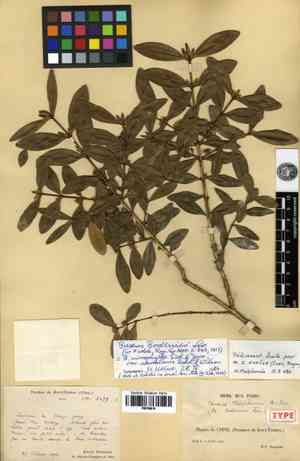
Distinguished by its thick, perennial leaves, bodinier's boxwood thrives with consistent trimming to preserve its form and stimulate robust development. Perform pruning in early spring or late winter prior to the emergence of new shoots, ensuring the plant's framework stays dense. Eliminate any deceased or compromised limbs and sculpt to the preferred contour, refraining from extensive excisions. Trimming additionally improves air movement, diminishing the likelihood of ailments. Consistent pruning maintains bodinier's boxwood's visual appeal and contributes to its extended lifespan.
What Are the Benefits of Pruning Bodinier's Boxwood?
What Are the Benefits of Pruning Bodinier's Boxwood?
Trimming bodinier's boxwood promotes robust development and helps maintain its form. Regular cutting ensures healthier foliage, lowers the chance of pests and illnesses, and keeps the plant visually appealing. Pruning also improves air circulation, which is crucial for its general well-being.
What Is the Best Time for Pruning Bodinier's Boxwood?
What Is the Best Time for Pruning Bodinier's Boxwood?
The ideal period to prune or trim bodinier's boxwood is in early spring or late winter. During these seasons, bodinier's boxwood is in a dormant state, which reduces plant stress and encourages vigorous new growth in the upcoming active period. Pruning at this time allows the plant to recover and flourish without the risk of disease or pest infestation, which are more common in warmer months. Additionally, pruning just before the active growth cycle ensures that energy is directed towards developing strong, new shoots rather than maintaining old, potentially damaged foliage. These considerations help to maintain the overall health and aesthetic of bodinier's boxwood, ensuring a robust and attractive plant.
What Tools Do I Need to Prune Bodinier's Boxwood?
Hand Pruners
Perfect for small branches and precise cuts. Essential for maintaining shape and encouraging healthy growth.
Hedge Shears
Useful for trimming larger areas and maintaining a consistent look. Helps in shaping the hedge uniformly.
Loppers
Needed for cutting thicker branches that hand pruners cannot manage. Provides leverage for a cleaner cut.
Bypass Pruners
Best for making clean cuts on living branches. Prevents stem crushing, ensuring healthy regrowth.
Pruning Saw
Required for removing older, thicker stems. Essential for more significant pruning tasks to revitalize the plant.
How to Prune Bodinier's Boxwood
Inspect
Carefully check bodinier's boxwood for any indications of diseased or withered leaves. These are typically shown by discoloration, spots, or a dry, unhealthy appearance.
ToolSelection
Choose appropriate pruning tools such as sterilized pruning shears or scissors to prevent spreading disease to healthy parts of the plant.
RemoveDiseasedLeaves
Gently cut away the diseased leaves by trimming at the base of the leaf stem where it connects to the main branch. Ensure all parts of the diseased leaves are removed to prevent further infection.
RemoveWitheredLeaves
Identify and remove withered leaves by cutting them off at the base of the leaf stem, ensuring the plant's overall health and appearance are maintained.
Disposal
Properly dispose of the pruned diseased and withered leaves by discarding them away from the garden area to prevent any potential spread of disease. Sanitize the pruning tools after use to maintain their effectiveness for future pruning.
Common Pruning Mistakes with Bodinier's Boxwood
Over-pruning
Removing too much of the plant at once can stress bodinier's boxwood, leading to poor growth and increased susceptibility to disease.
Improper cutting technique
Using dull or unsuitable tools can cause jagged cuts, which can take longer to heal and invite infection.
Cutting too close to the bud
Trimming too near the buds can damage potential growth points, hindering future development.
Ignoring dead or damaged branches
Failure to remove these can inhibit new growth and reduce overall plant health.
Common Pruning Tips for Bodinier's Boxwood
Sharp tools
Always use sharp, clean scissors or shears to make precise cuts, minimizing damage to the plant.
Sterilize tools
Sanitize your pruning tools before and after use to prevent the spread of disease.
Cut at an angle
Make cuts at a 45-degree angle to allow water to run off, reducing the risk of disease.
Thin selectively
Focus on removing crossed, inward-growing, or overcrowded branches to improve airflow and light penetration.
Gradual pruning
Avoid heavy pruning at once. If needed, spread the pruning over several seasons to minimize plant stress.



