How to Prune Jelly palm?
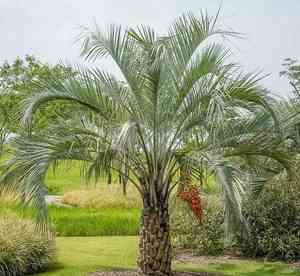
Hailing from South America, the jelly palm is a gradually developing, arid-tolerant palm characterized by its unique, rough trunk and gracefully arching, pinnate foliage. Remove withered or compromised fronds and spent flower stems near the trunk, ensuring not to cut healthy green fronds to preserve the plant's well-being. The most effective time for trimming is in early spring or late winter to encourage new development and avert illness. Trimming this palm improves its visual attractiveness and lowers the chance of storm-related harm, requiring no complex methods.
Advantages of Trimming Jelly Palm
Advantages of Trimming Jelly Palm
Trimming jelly palm promotes vitality by eliminating dead or overgrown fronds, shaping the palm, and encouraging balanced development, thus ensuring a more robust and visually appealing specimen.
Optimal Time for Trimming Jelly Palm
Optimal Time for Trimming Jelly Palm
These periods are considered ideal as they precede jelly palm's active growth phase, which typically commences in spring. Trimming during late winter removes dead or damaged fronds before new growth begins, allowing the plant to direct its energy towards producing healthy new shoots. Early spring trimming is also effective as it ensures that any frost damage from winter is eliminated before the plant enters its growth cycle, reducing the risk of disease. Additionally, trimming jelly palm before it flowers or sets fruit in the warmer months allows it to dedicate more resources towards producing a vigorous bloom and a healthy crop of fruits, while also maintaining its shape and size for aesthetic appeal and space management in the garden.
Tools Required for Trimming Jelly Palm
Hand Pruners
For precise cutting of smaller, thinner fronds or to remove any dead material from jelly palm. Bypass pruners are preferred for their clean cuts which assist the healing process.
Loppers
To trim thicker stems or fronds that hand pruners cannot manage. The long handles provide leverage, making it easier to cut through the tough fibers of jelly palm.
Pruning Saw
Essential for removing old fronds with thicker bases and cutting out any larger branches, if jelly palm has developed a tall trunk over the years.
Pole Saw
If jelly palm has grown tall, a pole saw is effective for reaching and safely trimming higher fronds without the use of a ladder.
Gardening Gloves
To safeguard your hands from the spiny fronds and rough textures of jelly palm.
Safety Glasses
To shield your eyes from flying debris while cutting or sawing fronds from jelly palm.
How to Trim Jelly Palm
Step1: Evaluate for Dead or Damaged Growth
Assess jelly palm before you begin trimming. Identify dead wood, damaged roots, and drooping fronds which can be removed to maintain the plant's health and appearance.
Step2: Tool Sterilization Before Trimming
Sterilize your trimming tools to prevent the spread of disease. Clean all cutting edges with alcohol or a bleach solution.
Step3: Dead Wood Removal Method
Remove dead wood by cutting at the base where the dead branch meets the trunk. Cut cleanly without leaving stubs, as this can lead to rot or pest infestation.
Step4: Damaged Root Treatment
Address damaged roots by gently excavating the soil around the affected area. Use clean and sharp trimming shears to cut out the damaged roots. Ensure not to disturb the healthy root system.
Step5: Drooping Frond Trimming
Trim drooping fronds by cutting them off at the point where they emerge from the trunk. Do this during the active growing season to minimize stress on jelly palm.
Step6: Selective Shaping and Thinning
Shape jelly palm by removing only the necessary portion of the fronds or roots. Avoid over-trimming as this can reduce the plant's vigor and result in sparse foliage.
Step7: Trimming Debris Disposal
Dispose of all trimming debris properly to prevent the spread of pests or diseases that may still be lingering on the cut plant material.
Step8: Post-Trimming Hydration
Water jelly palm after trimming to help alleviate stress and encourage recovery. Ensure proper watering based on the plant's needs, taking care not to overwater especially after root trimming.
Step9: Post-Trimming Plant Monitoring
Monitor jelly palm over the next few weeks for any signs of distress, such as discoloration, wilting, or lack of new growth. Address any issues promptly to ensure the ongoing health of jelly palm.
Step10: Annual Trimming Schedule
Schedule regular trimming sessions, but do not exceed one major trimming per year to allow jelly palm to recover between trimmings. Light maintenance can be performed as needed.
Aftercare for Jelly Palm After Trimming
Aftercare for Jelly Palm After Trimming
Immediately after trimming jelly palm, sanitize any cuts to prevent infection. Position jelly palm to receive adequate indirect sunlight, maintain a consistent temperature, and shield from harsh elements. Adjust humidity through mulching and ensure proper soil drainage. Implement a balanced fertilization regimen to replenish nutrients, particularly during active growth. Monitor for distressed foliage or pests, and intervene with targeted treatments promptly. Regularly inspect for healing wounds and robust new growth as indicators of successful recovery.
Common Trimming Errors with Jelly Palm
Excessive Trimming Leads to Shock and Vulnerability
Trimming too aggressively can shock jelly palm, leading to stunted growth or a weakened state that makes it more susceptible to disease and pests.
Dull Tools Cause Ragged Cuts and Disease Risk
Using dull or dirty trimming tools can result in ragged cuts that are slow to heal and can introduce pathogens to jelly palm.
Over-Removal of Green Fronds Limits Energy Production
Removing too much of the green, photosynthesizing fronds can limit jelly palm's ability to produce the energy it needs for growth and flowering.
Incorrect Cut Placement Damages Trunk and Invites Disease
Cutting fronds too close to the trunk can damage jelly palm's trunk and create open wounds that serve as entry points for diseases.
Improper Frond Selection Reduces Health and Appearance
Failing to target only dead or dying fronds and instead cutting healthy fronds can reduce jelly palm's overall health and aesthetic appeal.
General Trimming Advice for Jelly Palm
Sanitize Tools to Prevent Disease Spread in jelly palm
Sanitize trimming tools before and after use to prevent the spread of disease and pests to jelly palm.
Remove Only Dead or Damaged Fronds Near Trunk
Focus on removing only the dead or severely damaged fronds to maintain jelly palm's health and shape, cutting at the point where the frond meets the trunk.
Clean Cuts Prevent Tearing and Aid Plant Healing
Make clean and precise cuts to avoid tearing jelly palm's fronds, which can create larger wounds that are harder for the plant to heal.
Wear Gloves to Protect from Sharp Frond Edges
Wear gloves and protective clothing, as jelly palm's fronds can have sharp edges that may cause injury during the trimming process.
Monitor and Trim Pests and Disease Early On
Monitor jelly palm for signs of pest infestations or diseases and trim affected areas promptly to prevent further spread.



