How to Prune Pole butterflybush?
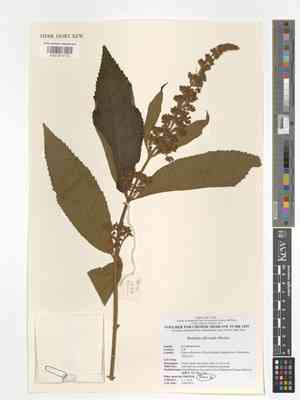
A distinctive deciduous shrub, pole butterflybush flowers abundantly, necessitating regular trimming to foster its well-being and visual appeal. The optimal period for pruning is in late winter or early spring, which encourages robust development and profuse blossoms. Cut back to sturdy, healthy buds and remove older branches. Consistent pruning not only preserves pole butterflybush's form and dimensions but also boosts flowering and deters ailments. This method guarantees a vibrant exhibition of its unique blooms annually.
What Are the Benefits of Pruning Pole Butterflybush?
What Are the Benefits of Pruning Pole Butterflybush?
Trimming pole butterflybush promotes robust development and helps keep its desired form. Regular cutting encourages denser foliage, boosts blooming, and prevents excessive growth, ensuring an attractive appearance.
What Is the Best Time for Pruning Pole Butterflybush?
What Is the Best Time for Pruning Pole Butterflybush?
Pruning pole butterflybush in late winter or early spring is optimal as it coincides with its dormant phase just before new growth begins. This timing avoids cutting off flower buds that formed on the previous year's growth, which are vital for the upcoming bloom. Additionally, removing dead or overgrown branches at this stage fosters healthier and stronger new growth in spring, resulting in a fuller plant with maximum flowering potential.
What Tools Do I Need to Prune Pole Butterflybush?
Bypass Pruners
Perfect for making clean, precise cuts on pole butterflybush's thinner, more delicate stems. Their design allows for cuts close to the main stem, promoting better healing and more vigorous growth.
Loppers
Useful for reaching deeper into pole butterflybush or for cutting thicker branches that bypass pruners cannot manage. Their long handles provide the necessary leverage to cut through stems up to 1.5 inches thick, crucial for handling pole butterflybush's more robust growth.
Pruning Saw
Essential for removing any pole butterflybush branches over 1.5 inches thick. The saw enables clean and efficient cutting of larger branches, vital for the health of pole butterflybush and maintaining its shape.
Gardening Gloves
Offers hand protection when pruning pole butterflybush, as handling branches might cause scratches or other minor injuries.
How to Prune Pole Butterflybush
Clean tools
Before beginning the pruning process, ensure all pruning tools are clean and sharp. This helps prevent disease spread and ensures cleaner cuts on pole butterflybush.
Remove diseased parts
Carefully inspect pole butterflybush for any diseased leaves and branches. Use secateurs to cut away these sections. Make sure to cut back to healthy tissue to stop the disease from spreading.
Trim dead material
Next, remove dead and withered leaves along with dead branches from pole butterflybush. Cuts should be made at the base of the dead material, close to the living tissue, but not so close as to harm it.
Thin branches
If needed, thin out overgrown branches to improve air circulation and light penetration throughout the center of pole butterflybush. This involves selectively removing branches that cross or grow inward, focusing on preserving the plant's natural shape.
Disposal
Properly dispose of all removed material, such as diseased and dead branches, by either burning or thoroughly discarding them far from the garden, to prevent any disease organisms from re-entering the garden area.
Common Pruning Mistakes with Pole Butterflybush
Overpruning
A common error is removing too much foliage, which can weaken pole butterflybush by reducing its ability to photosynthesize effectively. This excessive pruning stresses the plant, leading to reduced vigor and sparse flowering.
Improper timing
While specific timing has been detailed elsewhere, pruning at incorrect times can result in the loss of flower buds, affecting the floral display for which pole butterflybush is valued.
Incorrect technique
Using dull or dirty pruning tools can damage pole butterflybush stems, creating jagged cuts that heal poorly. These can attract pests or disease, compromising plant health.
Common Pruning Tips for Pole Butterflybush
Tool maintenance
Ensure pruning shears are clean and sharp to make precise cuts. This helps prevent damage to pole butterflybush stems and reduces disease risk.
Selective thinning
Thin out old and overcrowded stems to improve air circulation and light penetration throughout pole butterflybush, which promotes healthier growth and more vibrant blooms.
Shaping for growth
Prune pole butterflybush to maintain its desired shape and size, which not only enhances aesthetic appeal but also encourages vigorous growth and abundant flowering.



