How to Prune Brachythecium moss?
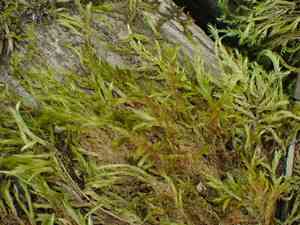
Brachythecium moss flourishes in dim, damp settings, distinguished by its thick, verdant carpet-like formation. Trimming should be performed in late winter or early spring, right before fresh development commences. Snip off any deceased or compromised sections with sterile, keen shears. This fosters robust growth and deters ailments. Refrain from extensive pruning, as it can impede the plant's capacity to rejuvenate. Consistent, gentle trimming aids in preserving a vibrant, even look and promotes peak health and vigor.
Advantages of Trimming Brachythecium Moss
Advantages of Trimming Brachythecium Moss
Trimming Brachythecium moss is beneficial as it aids in preserving its form and fosters robust development. This method also lessens the chance of illness and pests, guaranteeing a more thriving and visually appealing plant.
Optimal Period for Trimming Brachythecium Moss
Optimal Period for Trimming Brachythecium Moss
Brachythecium moss should be trimmed from late winter to early spring. Pruning during these periods allows the plant to recover swiftly as it enters its active growth phase in the spring. This timeframe also precedes the plant's main flowering period, ensuring minimal disruption to its reproductive cycle. Furthermore, pruning in these seasons helps prevent disease, as cold weather reduces pathogen spread, and it simplifies structural shaping before new growth emerges.
Necessary Tools for Trimming Brachythecium Moss
Scissors
Fine-tipped scissors are perfect for the delicate and complex structure of brachythecium moss, enabling precise cuts without harming adjacent growth.
Tweezers
Tweezers can be utilized for careful and selective removal of dead or unhealthy sections of brachythecium moss, offering control in confined areas.
Soft-bristle Brushes
Soft-bristle brushes assist in gently removing debris without damaging the plant's structure, preserving the integrity of brachythecium moss.
Misting Bottle
Although not a pruning tool, a misting bottle is crucial for maintaining humidity and preventing dry conditions that can harm brachythecium moss during and after trimming.
How to Trim Brachythecium Moss
Inspection
Thoroughly examine brachythecium moss to identify any diseased or withered foliage. Look for signs of discoloration, spots, and wilting that indicate the areas to be trimmed.
Preparation
Gather essential tools such as small, sharp scissors or pruning shears. Ensure all tools are sanitized to prevent the spread of disease.
Diseased leaf removal
Carefully snip off diseased leaves at their base where they connect to the stem. Make clean cuts to avoid further damage to the plant.
Withered leaf removal
Remove withered leaves by cutting them at their attachment point. Be sure not to pull or tear the leaves, as this can harm the plant.
Disposal
Properly dispose of all trimmed parts by bagging and discarding them. This prevents any potential spread of disease or pests back to brachythecium moss.
Common Trimming Errors with Brachythecium Moss
Excessive trimming
Over-trimming brachythecium moss can lead to stress and reduced vitality. This moss species does not require extensive pruning, and removing too much at once can be detrimental.
Trimming when dry
Trimming brachythecium moss when it is dry can cause damage to its delicate structure. It's best to ensure the moss is slightly moist before attempting any trimming.
Using dull tools
Using dull or dirty tools can tear or infect the plant. Always use sharp, clean scissors or pruning shears to ensure a clean cut and reduce the risk of disease.
Random cutting
Trimming without a strategy can result in an uneven and unattractive appearance. Take the time to assess where to trim for the best outcomes.
Ignoring dead or diseased parts
Neglecting to remove dead or diseased sections can allow problems to spread. Always remove any unhealthy parts promptly.
General Trimming Advice for Brachythecium Moss
Light trimming
Perform light trimming to maintain the shape and encourage healthy growth. Small, frequent trims are better than heavy, occasional ones.
Moisture maintenance
Ensure brachythecium moss is slightly moist before trimming to reduce stress on the plant. This helps to prevent tearing and promotes faster recovery.
Use proper tools
Always use sharp, clean tools for trimming. This minimizes damage and reduces the risk of disease transmission.
Targeted cuts
Make targeted cuts to remove only the overgrown, dead, or diseased parts. This helps maintain the plantâs natural form and health.
Observe and adapt
Regularly observe brachythecium moss for any signs of overgrowth or disease, and adapt your trimming schedule as needed. This ensures the plant stays healthy and looks its best.


