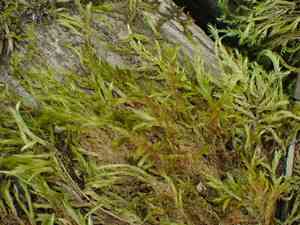
Brachythecium moss (Brachythecium albicans)
Also known as: None
Brachythecium moss flourishes in shaded forest environments, frequently covering logs and tree bases. This moss features sprawling, arching stems and overlapping leaves that create a pleated appearance. Its green to white coloration indicates its affinity for damp, cool conditions. The velvety mats of Brachythecium moss provide microhabitats for various invertebrates, showcasing its adaptability and resilience in the low-light understory of forests.
In This Article
Attributes of Brachythecium moss
Lifespan
Perennial
Plant Height
Up to 10 cm
Spread
Not applicable as this is a moss
Leaf Color
Yellowish-green
Flower Size
Not applicable as mosses do not have flowers
Flower Color
Not applicable as mosses do not have flowers
Images of Brachythecium moss
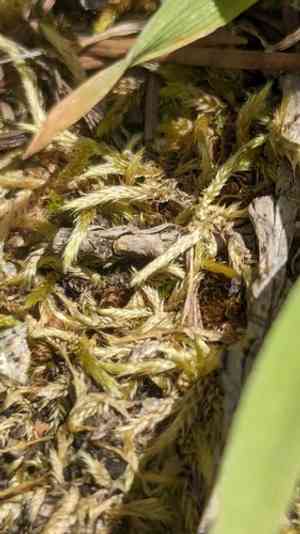
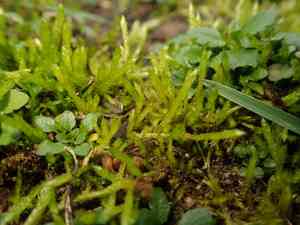
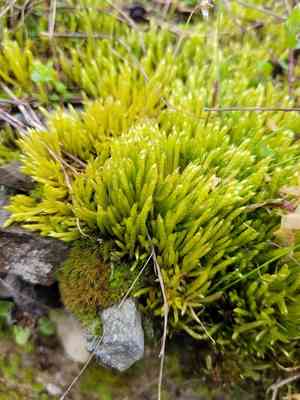
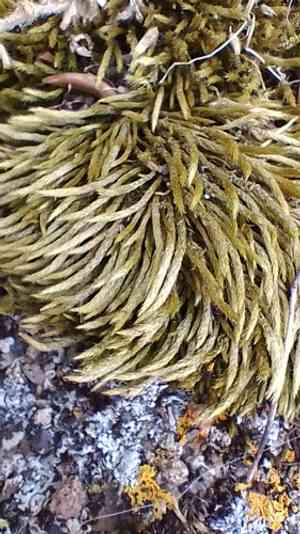
Quickly Identify Brachythecium moss
1
This moss can be identified by its pale, yellowish-green leaves that are stiff and spread out when dry. The leaves have a unique papillose (with small, wart-like projections) surface that is a key identification feature.
Scientific Classification of Brachythecium moss
Phylum
Bryophyta
Class
Bryopsida
Order
Hypnales
Family
Brachytheciaceae
Genus
Brachythecium
Planting and Growing of Brachythecium moss
Care Difficulty
Moderate
Watering Schedule
Every 2 days
Sunlight Requirements
Partial sun
Sunshine Duration
6-10 hours
Ideal Temperature
59-68℉
Soil Type
Potting Mix, Peat Mix
Soil pH
5.5-6.5
Fertilizer Type
Balanced
Pruning Season
Spring, Summer
Pruning Area
Branches, Leaves
Pruning Frequency
2 times a year
Repotting Season
Spring
Pot Type
Plastic, Ceramic
 How to Water Brachythecium moss?
Brachythecium albicans requires careful watering to mimic its natural, moist habitats. It's best to water until the topsoil feels slightly damp to the touch, but ensure the water doesn't pool excessively. A measured 100 ml is usually sufficient for each session, giving enough hydration without risking waterlogging, essential during its active growing seasons.
What are the symptoms of an underwatered Brachythecium moss?
›
What should I do if my Brachythecium moss is not getting enough water?
›
What are the symptoms of an overwatered Brachythecium moss?
›
How to save an overwatered Brachythecium moss?
›
 What Are the Sunlight Requirements for Brachythecium moss?
Brachythecium albicans thrives in partial sun to full shade environments. Ideal light supports lush, green growth, aids photosynthesis, and maintains the plant's natural moisture retention.
Optimal Light Level
›
Consistent Conditions
›
Seasonal Adjustment
›
 What Is the Ideal Temperature Range for Brachythecium moss?
The ideal temperature range for cultivating Brachythecium albicans is between 59°F and 68°F. In this range, the plant can maintain optimal photosynthesis and respiration, promoting healthy growth and resilience against pests and diseases.
 What Soil is Best for Brachythecium moss?
This plant prefers soil that retains moisture well without becoming waterlogged. Proper moisture levels ensure the plant can absorb nutrients effectively, promoting healthy growth and vibrant mossy textures. Nutrient-rich soil provides the essential minerals needed for Brachythecium albicans to thrive. A well-fertilized loam or sandy loam can significantly enhance the plant's vigor and color. Soil with good aeration allows for effective oxygen exchange, which is crucial for the root systems of Brachythecium albicans. This helps in preventing root rot and supports overall plant health.
 How to Fertilize Brachythecium moss?
Brachythecium albicans, being a type of moss, requires careful attention to fertilization. Apply a diluted liquid fertilizer at a quarter of the usual strength. Remember, mosses like this are adapted to nutrient-poor environments and excessive fertilization can be detrimental.
 How to Prune Brachythecium moss?
Begin by identifying any dead, damaged, or overgrown parts of the moss. Focus on areas where new shoots are struggling to emerge due to dense overgrowth. This will help you decide which parts need pruning. Carefully trim the dead and overgrown stems, being mindful not to cut too close to the base. Remove no more than a third of the plant at a time to maintain its health, vitality, and coverage. After pruning, ensure the moss is kept in optimal conditions for recovery, with sufficient moisture and indirect light. Monitor the plant for signs of new growth and any adverse reactions post-pruning.
More About Pruning Techniques→
 How to Propagate Brachythecium moss plant?
1
Identify healthy sections of the plant with strong growth. For division, gently separate sections ensuring each has sufficient roots and foliage. For tissue culture, select clean, disease-free samples.
2
Prepare a well-draining potting mix in pots or trays. For tissue culture, prepare a sterile environment with nutrient agar. This environment is crucial for reducing contamination and promoting growth.
3
Plant divisions in the prepared soil at the same depth they were previously growing. For tissue culture, place samples in nutrient agar. Water lightly and keep in a location with indirect sunlight.
 How to Repot Brachythecium moss plant?
1
Brachythecium albicans usually needs repotting when you notice roots creeping out of drainage holes or when its growth appears stunted. Repotting is most beneficial during its growing seasons, specifically in the spring and autumn, when the plant can best recover and establish in its new environment.
2
Select a pot that is just one size larger than the current one to prevent over-potting. Ensure the pot has drainage holes. The benefits include proper root development and reduced risk of root rot, which can occur in overly large pots that retain too much moisture.
3
Opt for a well-draining, loam-based soil mix to ensure proper aeration and moisture levels. Such a soil type minimizes the incidence of fungal infections and supports root health by preventing waterlogging, essential for Brachythecium albicans to thrive.


