How to Prune Roundfruit blyxa?
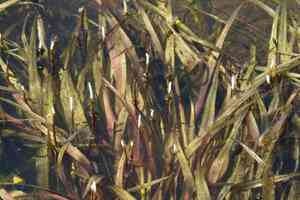
As a semi-aquatic variety, roundfruit blyxa flourishes with consistent cutting to preserve its form and stimulate thick development. Perform trimming during its active development periods from spring to autumn. Cut above a joint or cluster of leaves to foster regeneration. Discard any yellowed or deteriorating foliage from the base. Regular trimming boosts light access and nutrient circulation, thereby elevating its general well-being and robustness. For peak outcomes, employ sharp, sanitized implements to lessen strain on roundfruit blyxa.
What Are the Benefits of Pruning Roundfruit Blyxa?
What Are the Benefits of Pruning Roundfruit Blyxa?
Trimming roundfruit blyxa promotes robust development and maintains its desired shape, fostering a healthy aquatic environment and visual appeal in aquascapes.
What Is the Best Time for Pruning Roundfruit Blyxa?
What Is the Best Time for Pruning Roundfruit Blyxa?
The ideal periods for cutting or trimming roundfruit blyxa coincide with phases of vigorous growth and recovery to ensure the plant's health and strength. In Spring, roundfruit blyxa starts its growth cycle, making it a good time for pruning to shape the plant and stimulate new development. Early Summer is perfect as the plant is still actively growing, and pruning can be done to keep the desired form, remove any excess growth, and encourage dense, full growth. Pruning during Fall is useful for removing any dead or dying leaves, which helps prepare roundfruit blyxa for the dormant winter period by lowering the risk of disease and potential decay. These seasons are advised to avoid stressing the plant during the extreme conditions of midsummer heat or winter cold, and to align with roundfruit blyxa's natural growth patterns, thereby enhancing the overall health and aesthetic appeal of roundfruit blyxa.
What Tools Do I Need to Prune Roundfruit Blyxa?
Aquatic Plant Scissors
Roundfruit blyxa is a submerged freshwater plant often found in aquariums, and standard garden pruning tools are not as effective underwater. Aquatic plant scissors are specifically designed for this setting. They feature long handles, which offer reach and precise control for trimming roundfruit blyxa without disturbing nearby plant life or the substrate.
Spring Scissors
For more delicate or intricate trimming tasks, spring scissors are useful. They are smaller and more accurate, which is beneficial for maintaining the dense foliage of roundfruit blyxa. These scissors allow for agile cuts, essential for the detailed work of pruning fragile aquatic plants.
Pinsettes or Aquascaping Tweezers
Roundfruit blyxa may need thinning or replanting of cuttings. Pinsettes or tweezers are perfect for this job, as they enable you to gently remove unwanted plant parts and plant the cuttings with minimal disturbance to the roots and the substrate.
How to Prune Roundfruit Blyxa
Clean tools
Sanitize all pruning instruments to prevent the spread of illness to roundfruit blyxa. Use a solution of one part bleach to nine parts water to disinfect scissors or shears before starting.
Gentle removal
Carefully remove roundfruit blyxa's withered leaves by pinching them off at the base of the leaf closest to the stem without harming the healthy surrounding foliage. This prevents rot and maintains the plant's appearance.
Discard waste
Properly dispose of the withered leaves of roundfruit blyxa into a compost or trash bin to prevent them from contaminating the water or surrounding area, which could promote disease or pests.
Monitor health
After trimming, observe roundfruit blyxa for signs of stress or damage. Check for any changes in leaf color or texture that might indicate the plant is not responding well to the pruning.
Water adjustment
Adjust your watering schedule for roundfruit blyxa if necessary after pruning. Trimmed plants may require less water, but ensure that the aquatic plant continues to receive adequate hydration for recovery and growth.
Common Pruning Mistakes with Roundfruit Blyxa
Overpruning
Removing too much foliage from roundfruit blyxa can weaken the plant, as it relies on leaves for photosynthesis.
Tearing stems
Using dull or unsuitable tools that tear the stems can lead to damage and increase the risk of disease for roundfruit blyxa.
Pruning healthy growth
Cutting away healthy growth in an attempt to shape roundfruit blyxa can hinder its natural growth pattern and reduce its vitality.
Untimely pruning
Pruning at the wrong time can interfere with the growth and propagation cycles of roundfruit blyxa.
Pruning below substrate
Pruning roundfruit blyxa below the substrate level can harm the root system and may kill the plant.
Common Pruning Tips for Roundfruit Blyxa
Sharp tools
Use sharp scissors or pruning shears to make clean cuts on roundfruit blyxa, which help prevent damage and disease.
Top growth trim
Lightly trim the top growth of roundfruit blyxa to encourage bushier growth without compromising the plant's health.
Infrequent trims
Perform infrequent trims on roundfruit blyxa rather than frequent heavy prunings to maintain the plant's shape and size.
Removing dead foliage
Regularly remove dead or yellowing leaves from roundfruit blyxa to promote healthier growth and improve water flow around the plant.
Maintaining form
When pruning roundfruit blyxa, follow the natural shape of the plant to ensure it can continue growing in its preferred form.



