How to Prune Smooth beggarticks?
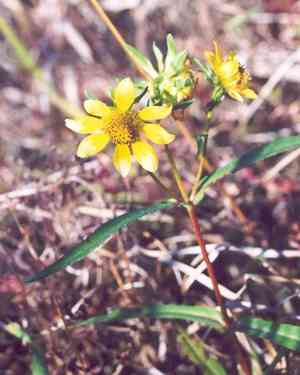
Smooth beggarticks flourishes in humid environments and greatly benefits from regular trimming. Cut back in late winter prior to new development to control its dimensions and foster denser foliage. Throughout spring, summer, and autumn, eliminate faded blossoms and lifeless or injured stalks to promote robust flowering. Pruning during these periods optimizes bloom production and deters unwanted self-propagation. Consistent maintenance improves the aesthetic of smooth beggarticks and sustains its energetic development.
What Are the Benefits of Pruning Smooth Beggarticks?
What Are the Benefits of Pruning Smooth Beggarticks?
Trimming smooth beggarticks promotes robust development and helps maintain its desired form. By selectively cutting back overgrown sections, resources are reallocated, fostering fuller, healthier growth.
What Is the Best Time for Pruning Smooth Beggarticks?
What Is the Best Time for Pruning Smooth Beggarticks?
Late Spring is optimal for trimming smooth beggarticks as the danger of frost has passed, minimizing the chance of harm to new growth. Additionally, this timing allows gardeners to remove any winter-damaged branches, ensuring smooth beggarticks's energy is directed towards healthy development. Early Summer pruning is advantageous as it encourages denser growth and can help shape smooth beggarticks, especially after the initial spring growth spurt. It also provides an opportunity to thin out any crowded areas to improve air circulation, which can help prevent diseases. Mid-Fall pruning is ideal because smooth beggarticks has finished its blooming cycle, and removing spent flowers can promote healthier plants the following season. However, it's crucial to avoid heavy pruning late in the fall, as this could stimulate new growth that might not endure early frosts.
What Tools Do I Need to Prune Smooth Beggarticks?
Bypass Pruners
Smooth beggarticks typically has a soft stem, which can be easily cut with bypass pruners. These provide a clean and precise cut, ensuring minimal damage to the plant.
Snips
For precise trimming or for deadheading of smooth beggarticks, snips are an excellent tool. They allow for accurate cuts, particularly suitable for thin stems and delicate work.
Pruning Shears
Pruning shears are effective for shaping and controlling the growth of smooth beggarticks. They are suitable for larger stems that bypass pruners might not easily cut through.
Gardening Gloves
While pruning smooth beggarticks, wearing gardening gloves is advisable to protect your hands from potential irritants or sharp stems.
How to Prune Smooth Beggarticks
Clean tools
Sanitize pruning shears with rubbing alcohol or a bleach solution to prevent the spread of diseases when trimming smooth beggarticks.
Inspect plant
Examine smooth beggarticks closely, identifying any withered leaves that need to be removed to maintain plant health and aesthetics.
Cut withered leaves
Snip off the withered leaves at the base where they meet the stem, ensuring clean and precise cuts to avoid damaging the healthy parts of smooth beggarticks.
Dispose waste
Carefully collect and dispose of the removed withered leaves in a compost bin or garbage to reduce the risk of pest and disease transmission to smooth beggarticks.
Care post pruning
Monitor smooth beggarticks after pruning for any signs of stress and provide appropriate care, such as adequate water and fertilization, to support healthy regrowth.
Common Pruning Mistakes with Smooth Beggarticks
Over pruning
Removing too much foliage or too many flowers at once can shock smooth beggarticks, leading to poor growth or plant stress.
Inappropriate cuts
Making cuts that are either too angled, too blunt, or leaving stubs can cause improper healing and make smooth beggarticks susceptible to pests and diseases.
Tearing stems
When cutting, gardeners sometimes tear stems instead of making clean cuts, which can damage the plant tissue and impact overall health.
Pruning tool maintenance
Using dull or dirty pruning tools can cause ragged cuts and introduce diseases to smooth beggarticks.
Neglecting deadheading
Failing to regularly remove dead flowers can limit flower production and redirect energy away from new blooms.
Common Pruning Tips for Smooth Beggarticks
Clean cuts
Use sharp and clean pruning tools to make precise cuts, which will help smooth beggarticks heal faster and reduce disease risk.
Selective pruning
Prune strategically by removing only dead or damaged parts, ensuring not to strip the plant excessively to preserve the health of smooth beggarticks.
Deadheading
Regularly remove spent blooms to encourage continuous flowering and to maintain the aesthetic appeal of smooth beggarticks.
Directional cutting
When cutting, aim to encourage growth in a desired direction by cutting just above a bud that faces the outside of the plant.
Tool disinfection
Disinfect pruning tools before and after use on smooth beggarticks to prevent cross-contamination between plants.



