How to Prune Beet?
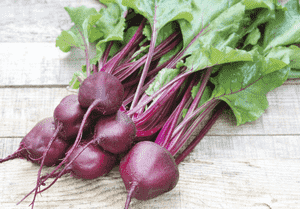
This leafy plant, which lives for two years, is recognized for its consumable root and foliage. For beet, trimming entails reducing the number of young plants to avoid excessive density and eliminating any discolored or ailing leaves as they emerge. Early spring pruning stimulates more substantial root development, whereas late autumn cutting readies the plant for the colder months. Ensuring proper air circulation through judicious pruning averts fungal infections, boosts overall well-being, and improves harvest quantity.
What Are the Benefits of Pruning Beet?
What Are the Benefits of Pruning Beet?
For beet, trimming promotes robust development and maintains its desired form. By eliminating competing shoots, beet can focus its energy on developing a strong root system and healthy foliage, which is crucial for its growth and output.
What Is the Best Time for Pruning Beet?
What Is the Best Time for Pruning Beet?
In early spring, beet remains dormant, allowing for the removal of any dead or damaged foliage without interrupting active growth, thereby encouraging healthy development and improved crop yield. Late autumn is also an ideal time as the plant has already been harvested and is entering dormancy. Pruning at this time helps prevent disease and prepares beet for the next growing season by removing old plant material that could harbor pests or infections over winter.
What Tools Do I Need to Prune Beet?
Gardening scissors or snips
Given beet's relatively slender stems, which don't require heavy-duty cutting, small and sharp gardening scissors or snips are sufficient for removing unwanted foliage or thinning plants to enhance air circulation.
Hand Trowel
Beet may not strictly require traditional pruning, but thinning seedlings can be essential for optimal growth. A hand trowel can be used to gently remove excess seedlings without disturbing the roots of the remaining plants.
Garden knife
While not typically essential, a garden knife can be utilized for cutting thicker root tops before harvesting if needed. It can provide a clean cut through the stems without harming the plant.
Gloves
When pruning or thinning beet, gloves protect the gardener's hands from potential irritation and keep them clean during the thinning or harvesting process.
Garden fork
When loosening the soil around beet for harvesting or to improve water penetration, a garden fork can be beneficial as it minimizes damage to the roots compared to a spade.
How to Prune Beet
Step1: Inspect Plant for Pruning Needs
Regularly examine beet for parts needing trimming: yellow leaves, damaged roots, and diseased foliage. This step is vital for identifying areas of the plant requiring attention and for maintaining overall plant health.
Step2: Sterilize Pruning Tools
Sanitize your pruning tools before beginning. Use a mixture of one part bleach to nine parts water or isopropyl alcohol to prevent the spread of diseases during the pruning process.
Step3: Remove Yellow Leaves
Begin with yellow leaves. Gently pull or cut off yellow or wilted leaves at their base where they meet the stem or root. Never pull forcefully to avoid damaging the healthy parts of beet.
Step4: Trim Damaged Roots
For damaged roots, carefully unearth beet if necessary and identify which root sections are damaged. Using a sharp and clean pair of scissors or a knife, cut off the damaged portions. Trim just beyond the damaged area into healthy tissue to ensure all compromised parts are removed.
Step5: Cut Away Diseased Foliage
Address diseased foliage by looking for any signs of fungal spots, wilting, or discoloration. With sharp pruning shears, cut away the affected leaves and any other parts showing signs of disease. Make cuts at least a few inches into healthy tissue to prevent the spread of pathogens.
Step6: Dispose of Pruned Plant Parts Safely
Properly dispose of removed parts by either burning them or placing them in a sealable bag before discarding them in the trash. Do not compost diseased plant material as it can contaminate your compost and spread the disease.
Step7: Clean Tools Post-Pruning
After pruning, clean the tools again using the sterilizing solution to prevent the potential transfer of disease to other plants or to beet the next time you prune.
Step8: Water Plant After Root Pruning
Water beet sufficiently if uprooting and root pruning occurred. Ensure the soil is moist but not waterlogged to promote recovery and regrowth after the pruning process.
Step9: Monitor Plant for Post-Pruning Recovery
Closely observe beet after pruning for any signs of stress or additional disease issues. Continue to provide appropriate care for beet such as proper watering, fertilization, and sunlight exposure.
Post-Pruning Care for Beet
Post-Pruning Care for Beet
After pruning, beet needs consistent moisture; water adequately to prevent stress. Manage environmental conditions by providing partial sun, maintaining moderate humidity, and ensuring temperatures of 60-70°F. Apply balanced fertilizer to aid recovery. Monitor beet for wilting or discoloration, which indicates stress or infection. If symptoms appear, adjust care and consult a plant pathologist if necessary.
Common Pruning Mistakes with Beet
Over-pruning can stress and stunt growth
Trimming too much at once, which can stress beet and impede its growth.
Dull or dirty tools may harm plant or spread disease
Using dull or unclean pruning tools that can damage beet's stems or introduce disease.
Removing healthy leaves reduces photosynthesis
Eliminating healthy leaves that are crucial for photosynthesis and the overall energy production for beet.
Improper thinning of seedlings causes overcrowding
Failing to adequately thin out beet seedlings, which can lead to overcrowding and poor root development.
Damaging taproot affects health and yield
Cutting into or harming the taproot of beet, which can severely impact the plant's health and yield.
Common Pruning Tips for Beet
Clean, sharp shears prevent disease and aid healing
Use sterile, sharp pruning shears to make clean cuts on beet, which will help prevent disease and promote quicker healing.
Thin seedlings early for better space and resources
Thin out beet seedlings early in their growth to allow for adequate space and resources for the remaining plants.
Snip seedlings at soil level to avoid root disturbance
When thinning beet, snip the seedlings at soil level rather than pulling them out to avoid disturbing the roots of adjacent plants.
Remove yellowing or diseased leaves for health
Regularly remove any yellowing or diseased leaves from beet to maintain plant health and allow for better air circulation.
Prune only what's necessary to preserve vitality
Limit pruning to removing only what is necessary, such as damaged leaves or overcrowded areas, to preserve beet's vitality.
Fertilize after pruning to help recovery
After thinning or pruning beet, apply a balanced fertilizer to support the plant in recovering from any stress caused by the pruning process.



