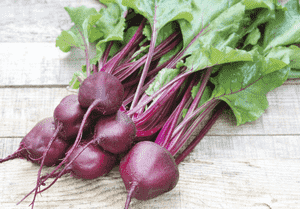
Beet (Beta vulgaris)
Also known as: Sugar beet, Beetroot
The beet (Beta vulgaris) serves multiple purposes, including being a nutritious vegetable and a source for producing table sugar. The sugar beet's root is specifically used to extract sugar. Additionally, the leaves can be enjoyed as a leafy vegetable, known as chard. In the late 1700s, the first facility dedicated to extracting sugar from beets was established in Silesia, a region that is presently within Poland, following a decree from the local monarchy.
In This Article
Attributes of Beet
Lifespan
Annual, Biennial
Plant Type
Herb
Plant Height
1.2 m
Spread
20 cm
Leaf Color
Green Red Yellow Variegated Purple Brown
Flower Size
Tiny, around 1-2 mm
Flower Color
Green Yellow
Images of Beet
Quickly Identify Beet
1
Identify Beta vulgaris by its broad, heart-shaped leaves, often dark green or reddish in color, and its swollen, rounded root with a deep purple to red hue.
Scientific Classification of Beet
Phylum
Vascular plants
Class
Dicotyledons
Order
Pinks, cacti, and allies
Family
Amaranth
Genus
Beets
Species
Beet
Planting and Growing of Beet
Care Difficulty
Easy
Watering Schedule
Every 4 days
Sunlight Requirements
Full sun
Sunshine Duration
4-6 hours
Ideal Temperature
60-70℉
Soil Type
Potting Mix, Peat Mix
Soil pH
6.5-7.5
Fertilizer Type
Balanced
Pruning Season
Spring, Summer
Pruning Area
Branches, Leaves
Pruning Frequency
2 times a year
Repotting Season
Spring
Pot Type
Plastic, Ceramic
 How to Water Beet?
For Beta vulgaris, watering should mimic a steady, moderate rainfall. Each watering should supply about 500 milliliters of water, enough to soak the soil evenly but not so much that it becomes waterlogged. Ensure that water penetrates the soil deeply to reach the roots, but avoid pooling on the surface.
More About Watering Techniques→
What are the symptoms of an underwatered Beet?
›
What should I do if my Beet is not getting enough water?
›
What are the symptoms of an overwatered Beet?
›
How to save an overwatered Beet?
›
 What Are the Sunlight Requirements for Beet?
Beta vulgaris thrives under full sun, meaning exposure to sunlight for 6 to 8 hours daily supports robust foliage and root growth, leading to healthier and more productive plants.
More About Sunlight Requirements Techniques→
Optimal Sun Exposure
›
Avoidance of Shaded Areas
›
Utilizing Garden Layout
›
 What Is the Ideal Temperature Range for Beet?
The ideal temperature range for growing Beta vulgaris, commonly known as beetroot, is between 60°F to 70°F. This range allows the roots to fully develop while ensuring the foliage remains healthy and free from stress. This temperature range supports optimal photosynthesis and nutrient uptake, allowing the plant to produce vibrant and high-quality produce.
 What Soil is Best for Beet?
Beta vulgaris thrives in well-draining soil that prevents waterlogging. This prevents root rot and ensures optimal nutrient uptake, supporting vigorous plant growth. A nutrient-rich soil environment is key for Beta vulgaris, providing essential minerals and nutrients that promote healthy leaf and root development. Soil with moderate moisture retention helps maintain consistent moisture levels, crucial for beet development and preventing stunted growth in Beta vulgaris.
More About Soil→
 How to Fertilize Beet?
For Beta vulgaris, fertilization should be applied giving approximately 1 to 1.5 pounds of balanced 10-10-10 fertilizer per 100 square feet. For liquid fertilizers, mix at a rate of about 10 ml per liter of water, ensuring a consistent nutrient supply.
More About Fertilizing Techniques→
 How to Prune Beet?
Begin by removing dead, damaged, or yellowing leaves to improve air circulation and sunlight penetration to the plant. Use sharp, clean scissors or pruning shears to make clean cuts close to the plant base. Always handle the leaves carefully to avoid unnecessary bruising. When shaping, trim the outer leaves first to encourage central growth. This method ensures a bushier appearance and optimizes space for sunlight capture. Keep in mind the overall shape and size you want your Beta vulgaris to maintain as you proceed with the cuts.
More About Pruning Techniques→
 How to Propagate Beet plant?
1
Select high-quality seeds from a reputable supplier to ensure good germination rates. Inspect the seeds for any signs of damage or discoloration to avoid planting poor-quality ones.
2
Sterilize the potting mix by heating it in an oven to kill any pathogens. Use a well-aerated and light potting mix to ensure good seedling development.
3
Place the seeds in a moistened potting mix, covering them lightly as instructed by seed packet guidelines. Water gently using a misting spray to avoid displacing the seeds.
 How to Repot Beet plant?
1
Repotting Beta vulgaris should be considered when you notice roots emerging from the drainage holes, or the soil dries out much faster than before. These signs indicate that your plant has outgrown its pot and needs more space to thrive.
2
Select a pot that is one to two inches larger in diameter than the current one. It is essential to ensure the pot has sufficient drainage holes to prevent overwatering. A slightly bigger size encourages healthy growth and prevents root-bound issues.
3
Opt for a rich, well-draining soil mix to ensure optimal growth for Beta vulgaris. The ideal mix should retain moisture without becoming waterlogged, ensuring that the roots get adequate oxygen and nutrients.
Learn More About Beet Diseases
Bacterial Leaf Spot
Bacterial Soft Rot
Bacterial Wilt
Clubroot
Crown Gall
Cyst Nematode
Damping-off
Downy Mildew
Drought Stress
Fusarium Wilt
Gray Mold
Leaf Spot
Mosaic
Nutrient Deficiency
Nutrient Toxicity
Powdery Mildew
Root Rot
Root-knot Nematode
Rusts
Sooty Mold
Spider Mites
Temperature Stress
Thrips Damage
White Mold
Chemical Injury



