How to Prune Brazil nut?
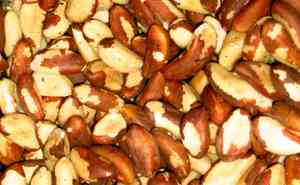
Originating in South America, the brazil nut is a substantial, evergreen arboreal species recognized for yielding highly nutritious kernels. Trim juvenile brazil nut specimens to cultivate a singular trunk formation and eliminate any ailing or compromised limbs. The optimal period for trimming spans from late winter to early spring, coinciding with its dormant phase and prior to the emergence of fresh foliage. Pruning at this juncture fosters vigorous maturation and enables the tree to channel its vitality into cultivating a sturdy crown and enhanced fruit production. Consistently employ sanitized, keen implements to mitigate harm and the potential for illness.
What Are the Benefits of Pruning Brazil Nut?
What Are the Benefits of Pruning Brazil Nut?
Trimming brazil nut promotes robust new growth and helps maintain its desired form. Strategic cutting back encourages healthier, stronger tree development, maximizing its potential for fruit yield.
What Is the Best Time for Pruning Brazil Nut?
What Is the Best Time for Pruning Brazil Nut?
The period from late winter to early spring is ideal for pruning brazil nut due to several factors aligned with the plant's life cycle. Pruning in late winter, just before spring growth commences, allows for the removal of damaged or diseased limbs without stressing the plant, as it remains dormant. This timing also avoids disrupting the flowering and fruiting cycles. Early spring pruning is beneficial because it stimulates new growth, ensuring brazil nut has the entire growing season to recover and thrive. Removing old growth before new leaves emerge facilitates better wound healing. Additionally, cuts made during this time reduce the risk of disease infection since most pathogens are less active in cooler temperatures. By adhering to these seasonal guidelines, gardeners can support the health and productivity of brazil nut without interfering with its natural development and yield.
What Tools Do I Need to Prune Brazil Nut?
Pole Pruners
Given the considerable height of brazil nut, pole pruners are indispensable for reaching elevated branches without ladders, enhancing safety and efficiency in pruning tasks.
Hand Pruners
Hand pruners are suitable for cutting smaller branches and twigs on brazil nut. Opt for bypass pruners over anvil types for clean cuts that promote good plant health.
Loppers
For branches too thick for hand pruners but not excessively large, loppers provide the extra leverage needed for clean cuts without harming brazil nut.
Pruning Saw
When dealing with larger branches of brazil nut that hand pruners and loppers cannot manage, a pruning saw is crucial for making precise and clean cuts.
Chainsaw
For the largest and toughest branches of brazil nut, a chainsaw may be necessary, especially for major structural pruning or removing damaged limbs. It must be used with appropriate safety gear and expertise.
How to Prune Brazil Nut
Remove Dead Branches
Identify and eliminate dead branches from brazil nut to prevent decay and encourage healthy growth. Use sharp, clean pruning shears for small branches and a saw for larger ones, making cuts close to the trunk without harming the collar.
Disinfect Tools
Sanitize your pruning tools before and after use on brazil nut to prevent the spread of diseases. Use a solution of one part bleach to nine parts water, or use rubbing alcohol to clean the blades.
Remove Diseased Branches
Carefully cut away any diseased branches from brazil nut, ensuring you remove the entire affected area. Seal larger wounds with a tree wound sealer to aid healing and protect against pathogens.
Inspect Tree Structure
Examine the overall structure of brazil nut for signs of stress or imbalance. Remove additional branches sparingly to maintain the treeâs natural shape, always prioritizing long-term health over immediate aesthetics.
Clean Up
Clear away all debris from pruning brazil nut, including leaves, twigs, and cut branches, to keep the area free of potential disease hosts and pests. Compost or dispose of the material according to local regulations.
Common Pruning Mistakes with Brazil Nut
Over-Pruning
Removing too much foliage from brazil nut at once can weaken the plant and reduce nut production.
Improper Cuts
Incorrect cutting techniques may damage brazil nut's trunk and branches, leading to disease or decay.
Neglecting Tool Hygiene
Pruning with dirty tools can introduce pathogens to brazil nut, increasing the risk of infection and disease.
Ignoring Disease Signs
Failing to remove diseased or pest-infested branches promptly can allow problems to spread throughout brazil nut.
Pruning For Size Reduction
Brazil nut are large trees best suited to their natural size; attempting to downsize through pruning is ineffective and can harm the plant.
Common Pruning Tips for Brazil Nut
Sharp Tools
Use clean, sharp pruning tools to make precise cuts that heal quickly on brazil nut, avoiding jagged edges.
Selective Thinning
Thin out crowded branches to improve air circulation and light penetration, which is crucial for brazil nut's overall health.
Removing Dead Wood
Regularly remove dead or damaged branches to maintain brazil nut's vitality and prevent decay organisms from entering the plant.
Promoting Structural Integrity
Prune brazil nut to maintain a strong, well-balanced framework that can support the weight of the nuts.
Consideration For Regeneration
When necessary, prune brazil nut in a way that encourages new growth where it is most beneficial for the plant's productivity and shape.



