How to Prune Japanese barberry?
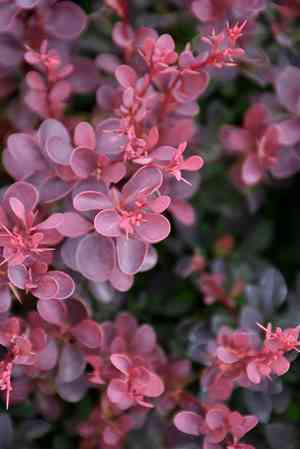
Recognizable by its thorny stems and crimson fruit, japanese barberry frequently serves as a decorative bush. To preserve its form, selectively trim, reducing excessively long branches to a side shoot or bud. The optimal period for pruning is early spring, prior to the emergence of new growth. This fosters robust foliage and bloom development, and helps control the plant's dimensions. Refrain from autumn pruning to avoid stimulating fresh growth that could be vulnerable to winter harm. Always disinfect implements to avert the transmission of pathogens.
What Are the Benefits of Pruning Japanese Barberry?
What Are the Benefits of Pruning Japanese Barberry?
Trimming japanese barberry encourages vigorous development and helps maintain its desired form. Regular cutting can boost the plant's health and structure, ensuring it remains a landscape highlight.
What Is the Best Time for Pruning Japanese Barberry?
What Is the Best Time for Pruning Japanese Barberry?
Early spring is considered ideal for pruning japanese barberry because it allows gardeners to shape the plant and remove any dead or damaged wood before new growth begins, which promotes healthier development. This timing also prevents sap loss, which is more active in the plant's vessels during the growing season. Pruning during this period minimizes stress to japanese barberry and reduces the risk of infections that can be more prevalent if pruning is done later in the growing season. Moreover, since japanese barberry flowers on old wood, early spring pruning ensures that the flowering potential for the season is not compromised. It also avoids the removal of developing fruits, ensuring that the plant's decorative and wildlife-supporting features are preserved.
What Tools Do I Need to Prune Japanese Barberry?
Bypass Hand Pruners
Perfect for making clean cuts on the younger, live branches of japanese barberry that are up to 1/2 inch in diameter. Bypass pruners create a clean cut without crushing plant tissues, which is important for promoting healthy regrowth.
Loppers
Appropriate for cutting branches that are up to about 1 and 1/2 inches in diameter, which is typical for the older growth of japanese barberry. The long handles provide leverage to make cutting easier and can reach deeper into the shrub without the need for the gardener to overreach.
Pruning Saw
Needed for larger branches of japanese barberry that are more than 1 and 1/2 inches thick. A pruning saw makes it possible to remove larger limbs with greater precision and care, which is essential to avoid unnecessary damage to the plant.
Gardening Gloves
Essential to protect the hands from the sharp thorns of japanese barberry. Durable gloves will prevent scratches and allow the gardener to handle the plant safely.
Protective Eyewear
Crucial to shield the eyes from potential harm due to flying debris or thorns while pruning japanese barberry.
Disinfectant for Tools
Using a disinfectant to clean the pruning tools before and after use is crucial in preventing the spread of diseases between japanese barberry and other plants.
How to Prune Japanese Barberry
Step1: Timing for Pruning
Identify the Optimal Time to Prune: Pruning japanese barberry is best done in late winter or early spring before new growth begins. This timing allows visibility of the structure and enables the plant to heal quickly in the growing season.
Step2: Pruning Tool Preparation
Prepare Tools: Ensure that pruning tools are cleaned and sharpened. Use hand pruners for small stems, loppers for medium branches, and a pruning saw for thick, woody stems.
Step3: Dead Stem Removal
Remove Dead Stems: Start by removing any dead or broken stems. Cut these parts back to a live stem or a main branch, making sure not to leave stubs which can lead to disease.
Step4: Pruning Overgrown Shoots
Prune Overgrown Shoots: To maintain the shape and size of japanese barberry, trim overgrown shoots back to a bud facing the desired direction of growth. This will help control the size of the plant and encourage bushier growth.
Step5: Diseased Wood Removal
Cut out Diseased Wood: Inspect the plant for any signs of disease, such as discolored or soft wood. Remove diseased wood by cutting well into healthy tissue to ensure the disease has been completely removed.
Step6: Thinning for Airflow and Light
Thinning: Thin out crowded areas to improve airflow and sunlight penetration. This helps reduce the chance of disease. Remove some of the older stems at the base to encourage new growth.
Step7: Plant Shaping
Shape the Plant: After removing dead, overgrown, and diseased parts, shape japanese barberry by cutting back unwanted branches to maintain a pleasing shape. Make cuts at a 45-degree angle just above a bud or branch to encourage proper healing.
Step8: Pruning Debris Cleanup
Clean Up: Gather and dispose of all pruned material, especially if it contains any diseased wood, to prevent the spread of pathogens.
Step9: Post-Pruning Recovery
Post-Pruning Care: Water the plant adequately after pruning to help it recover. Mulch around the base without touching the stems to maintain moisture and provide nutrients.
Post-Pruning Care for Japanese Barberry
Post-Pruning Care for Japanese Barberry
Immediately after pruning japanese barberry, ensure cleanliness by removing all cut debris to prevent disease. Place japanese barberry in a well-lit area with moderate humidity, avoiding extreme temperature fluctuations. Provide a balanced fertilizer to encourage growth, but avoid overfeeding which can stress japanese barberry. Monitor the plant regularly for signs of distress, such as wilt or discoloration. If symptoms of infection appear, treat promptly with an appropriate fungicide or pesticide.
Common Pruning Mistakes with Japanese Barberry
Over-pruning Causes Plant Stress
Pruning too severely in one session can stress japanese barberry rather than encourage new growth and may result in sparse or delayed foliage and reduced flowering.
Ignoring Dead or Diseased Branch Removal
Neglecting to remove dead or diseased branches, which can lead to the spread of pathogens and compromise the overall health of japanese barberry.
Damaging Plants with Dull Pruning Tools
Using dull or dirty pruning tools, which can cause damage to the branches and leave japanese barberry vulnerable to disease.
Disregarding Natural Plant Shape During Pruning
Ignoring the natural shape of japanese barberry, leading to unnatural growth patterns and a less aesthetically pleasing appearance.
Harmful Stubs Left After Pruning
Leaving stubs after cutting, which can be entry points for pests and diseases and also detract from the plant's appearance.
Common Pruning Tips for Japanese Barberry
Sterilize Pruning Tools to Prevent Disease
Sterilize your pruning tools before and after use on japanese barberry to prevent the spread of diseases from other plants.
Clean, Angled Cuts for Healthy Outward Growth
Make clean cuts at a slight angle just above a bud that faces outside the shrub when pruning japanese barberry, to promote outward growth.
Thin for Better Air Circulation and Light
Thin out the center of japanese barberry to allow good air circulation and light penetration, which are essential for a healthy plant.
Prune Weak Branches to Strengthen Plant
Regularly prune away the weaker, spindly branches of japanese barberry to divert the plant's energy into producing stronger, more robust growth.
Adhere to 'One-Third Rule' in Pruning Sessions
Follow the 'one-third rule' when pruning japanese barberry: never remove more than one-third of the plant's overall growth in a single pruning session to maintain its health and vigor.



